
Why harmonics matter
Harmonic distortion is also known as harmonics. Harmonics are distortions in the mains power network which can lead to poor power quality, an unreliable power network, and eventually to equipment damage.
Discover harmonics

Early planning and mitigation of harmonics helps you to
- Prevent downtime from motor and transformer overheating, and
- Downsize transformers and backup generators
- Reduce unplanned system failure

Specify harmonic mitigation correctly, for more cost-efficient projects in both the CAPEX and OPEX phases:
- Reduce operating costs overall
- Meet environmental targets
- Optimize production facilities

Manage risk of electrical inefficiencies due to unchecked harmonic distortion:
- Control energy costs and capital expenses
- Comply more economically with regulations
- Enhance uptime and profits
Why does harmonic distortion matter?
Consequences of harmonic distortion
Malfunction: How does harmonic distortion cause damage to critical equipment?
Harmonic distortion in electrical systems damages equipment by causing overheating, voltage stress, and energy losses, which strain components and reduce their lifespan. The effects of more harmonic distortion are far-reaching, as they affect every piece of electrical equipment connected to the same system.
Excessive harmonic distortion can cause cables and motors to overheat. Motors, switchgear, fuses, cables, and sensitive measuring equipment are all impacted. Distortion with harmonic content can even interfere with critical telemetry and communication devices like Wi-Fi systems.
This can lead to premature equipment failure, such as blown fuses, tripped circuit breakers, or overheated motors, potentially affecting the entire industrial plant if no corrective measures, like harmonic filters or power quality improvements, are implemented.
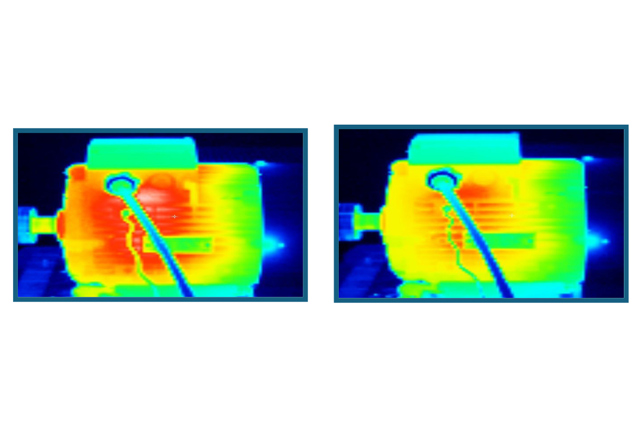
The image shows the influence of harmonic distortion generators in overheating of electric motors.

How do AC drives affect harmonics?
AC drives bring a multitude of benefits to your system, especially in reduced energy consumption. At the same time, they generate more harmonics - and can also mitigate these harmonics produced. The reason to use AC drives is that their benefits far outweigh the drawbacks of harmonics produced. Discover the benefits in this video.
AC drives: The best way to reduce energy consumption
AC drives, also known as variable speed drives (VSDs) or variable frequency drives (VFDs), offer the best way to de-carbonize your operation and meet your carbon neutrality targets. These drives regulate electric motors to reduce energy consumption dramatically. They also bring controllability, repeatability, and resilience to industrial processes.
Drives are an integral part of the modern industrial landscape, bringing enormous benefits:
- Process quality levels rely upon regulation by drives
- Adaptable process line throughput is only achievable using drives
- Variable demands on water supplies or HVACR ventilation can only be managed using drives
- Modern industrial and commercial facilities can only operate efficiently by controlling electric motors properly, which requires use of a drive
New-build projects and upgrades to existing systems
New installations can reduce energy consumption by equipping each application with AC drive control. Upgrading existing direct-on-line (DOL) or fixed speed installations to drives is the best way to achieve greenhouse gas (GHG) reduction goals 1]. Upgrading to high-efficiency motors helps even more.
1] OMDIA COP26 global report: If all fans and pumps globally were equipped with VSDs, the savings would equal the entire power generation capacity of the EU. By employing drives, GHG emissions can reduce by 40% by the year 2040.

There are many ways to reduce total harmonic distortion. Danfoss helps you find the best
There is a lot of money to save, and many other benefits. to be won, by mitigating harmonics properly. However, there is no single solution for all scenarios. It’s a matter of selecting the best method for each individual installation. In some cases, you can achieve compliance with no mitigation at all, so don't buy what you don’t need!
Consider dealing with a manufacturer that understands the challenges and can offer you the best advice for your exact system and circumstances. Danfoss offers the widest range of solutions to mitigate harmonic distortion, in high or low power range, compatible with any motor technology, to suit any situation. We help you to find the most efficient and economical solution.
Modern drives (and filters) from Danfoss can mitigate harmonics and manage the harder issues like supra harmonics and common mode. There is no single solution for all scenarios. Have questions? We can help.
The full range of harmonic mitigation solutions includes:
- Built-in chokes in the AC drive, integrated in the standalone drive or enclosed drive cabinet
- Passive solutions, including 12-pulse and 18-pulse drives, passive filters, and low harmonic drives
- Active solutions, including active filters and ultra-low harmonic drives
For planners: To find the optimal mitigation solution try our digital tool, MyDrive® Harmonics.

Harmonics FAQ
Are you familiar with harmonics?
Explore the blog
Case stories
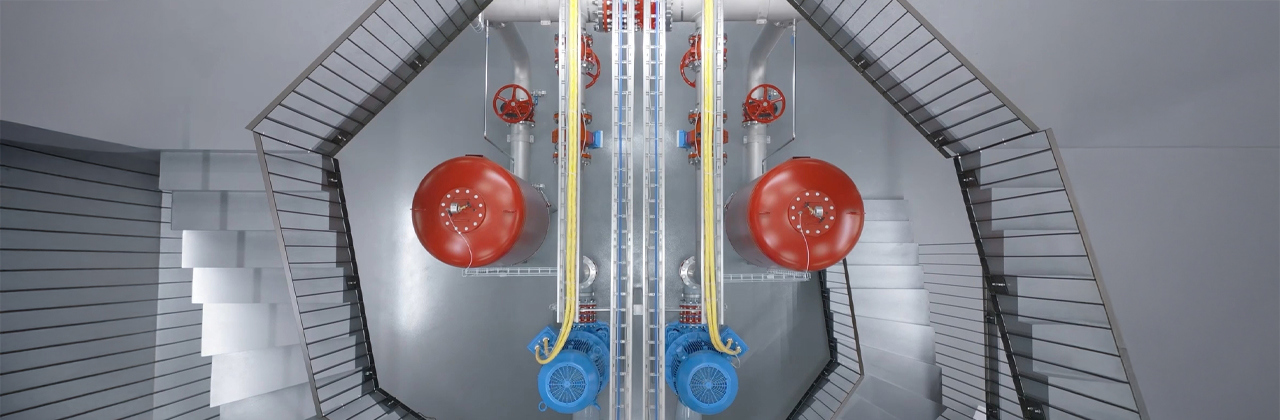
How a new water pumping station keeps supply flowing in Bern
SWITZERLAND: The Wehrliau pumping station in Bern delivers up to 1.20 M liters of drinking water hourly. iC7 drives play a key role in ensuring reliable supply.
Read the case story

How does Beat the Storm deliver more fun for less CO2?
DENMARK: Universe Science Park saves on both power bill and emissions for its wind tunnel attraction “Beat the Storm”, with the intelligent VLT® HVAC drive.
Read the case story
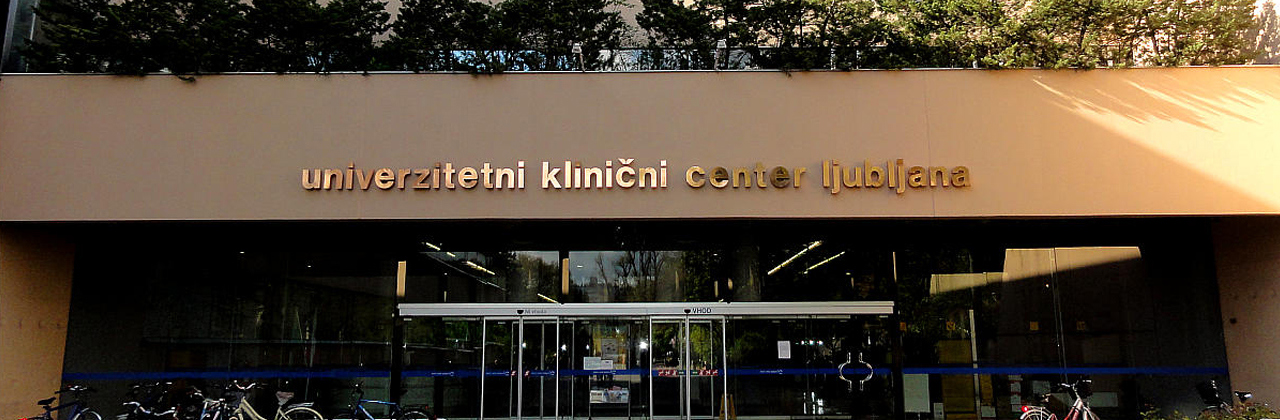
Danfoss compressor control ensures optimal comfort for hospital patients and staff
In the University Medical Centre (UMC) Ljubljana air conditioning system, Danfoss drives with integrated filters ensure low harmonic distortion, with maximum THDi of 5%.
Read the case story

How did Sincrondraiv SRL improve irrigation pumping efficiency by up to 40%?
ROMANIA: Digitizing irrigation systems helps farmers achieve better harvests. Pumping stations now use 30-40% less energy and use water more efficiently too.
Read the case story
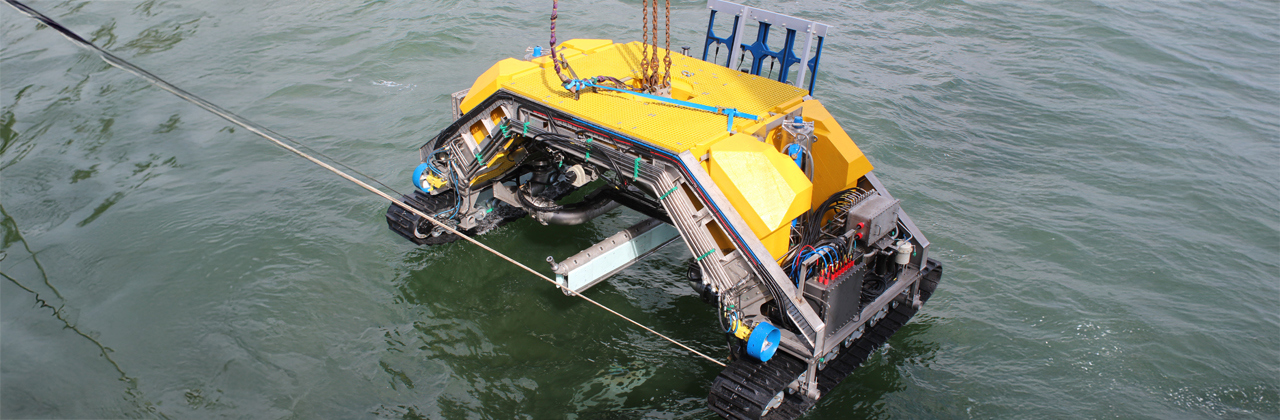
Accurate control of CT Offshore’s ROV trencher
VLT® AutomationDrive FC 302 and VLT® Soft Starter MCD 500 provide quick and accurate control of high- and low-pressure seawater pumps on the remotely operated trencher laying HVAC subsea cables.
Read the case story
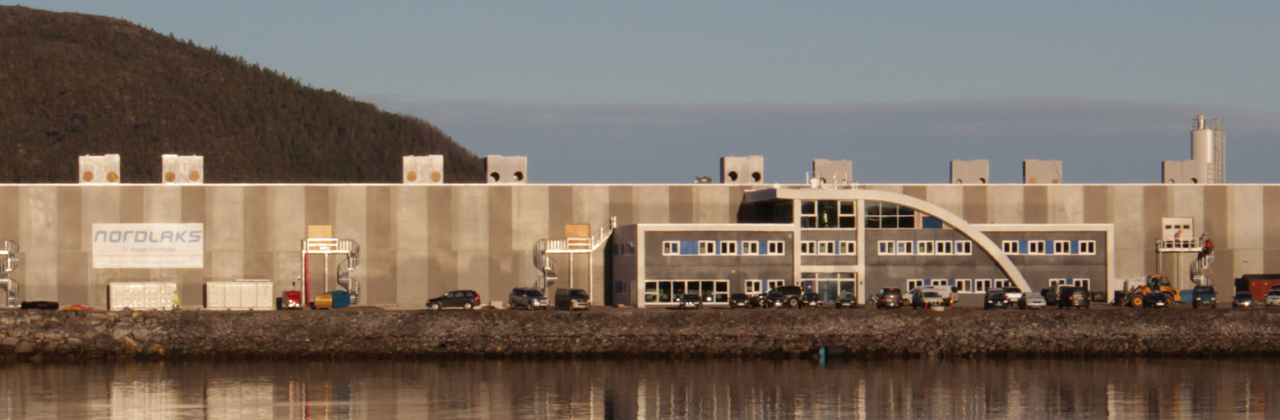
Rock-solid reliability underpins sustainable aquaculture at Nordlaks
NORWAY: VLT® AQUA Drive FC 202 ensures dependable uptime with stringent harmonic compliance at Nordlaks Smolt AS.
Read the case story
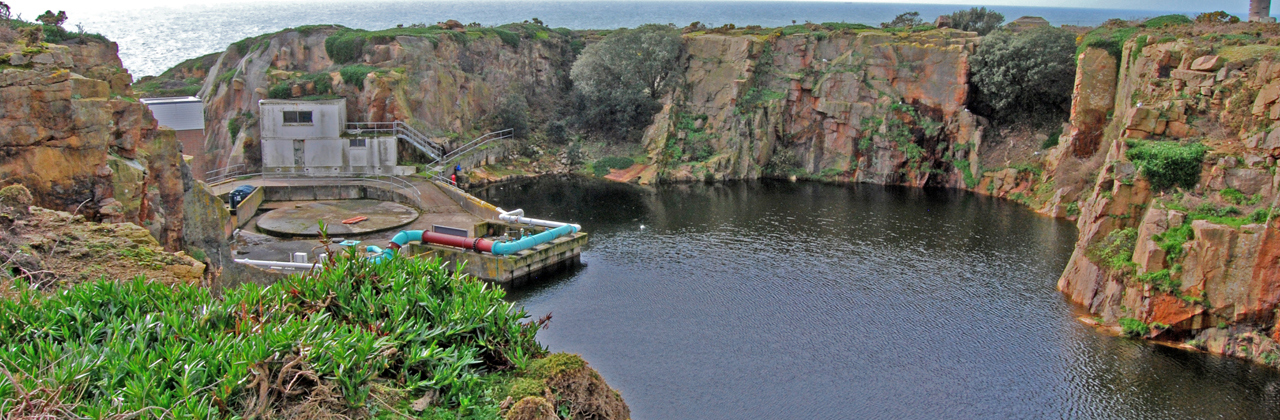
Jersey Water desalination plant boosts efficiency by 38%
UNITED KINGDOM: Jersey Water chose VLT® AQUA Drive from Danfoss when needing a major upgrade at its La Rosière desalination plant.
Read the case story
Explore more about harmonic mitigation
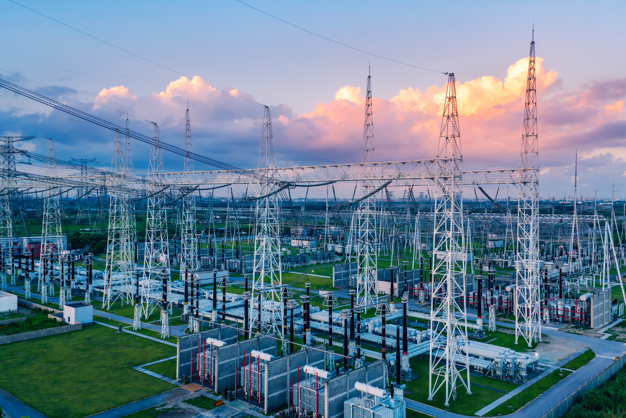
Harmonic mitigation reduces unwanted frequencies in electrical systems, preventing equipment damage, and improving power quality and efficiency.

Harmonic distortions can lead to breakdowns and damage in electrical systems. Reduce risk and minimize downtime with filters and low harmonic drives, LHD and ULH, from Danfoss.

Danfoss Drives: World-leading drive manufacturer
Danfoss is the global power converter and VFD manufacturer delivering efficient optimization of any electric motor or system, since 1968. We are committed to improving productivity, efficiency and emissions for a wide range of industries, OEMs and system integrators, making Danfoss Drives a reliable manufacturer of your drives.
More about Danfoss drives