Ensure high-quality crops and consistent yields with our solutions for hydroponic and aeroponic irrigation systems
Contact us
Unlike traditional agriculture, vertical or indoor farming uses soil-less cultivation techniques that all rely on high-precision, streamlined irrigation solutions. Whether circulating water, dosing nutrients, or controlling and balancing water flow and pressure, irrigation solutions are critical to creating an optimal indoor farming climate and favorable plant growth conditions.
Different types of irrigation methods
When you’re setting up your indoor farm, there are different types of irrigation methods, depending on how you choose to cultivate your crops, where you place your vertical farm, and which crops you choose to plant. Some of the more common methods are:
Whichever method you choose, one thing is certain. You will need a system that can consistently deliver water and nutrients to your crops. One that can distribute water and/or nutrients precisely, so that nothing is wasted. This is where water and energy efficiency enter the picture.
Why you need to optimize your irrigation system
In the next section, we’ll explore different techniques you can use and points you should consider when designing the optimal irrigation system for your indoor farm project.
Hydroponics is a method of growing plants in a soilless medium while providing all the necessary nutrients directly to the plant roots.
The correct nutrient balance is maintained by dissolving the necessary nutrients in the water that circulates directly around the plant’s roots.
What are the most common types of hydroponic systems?
Some common types of hydroponic systems include:
Hydroponic methods consume up to 90% less water than traditional field crop watering methods because most systems use recirculation techniques to maximize water conservation.
Variable Speed Drives (VSD)
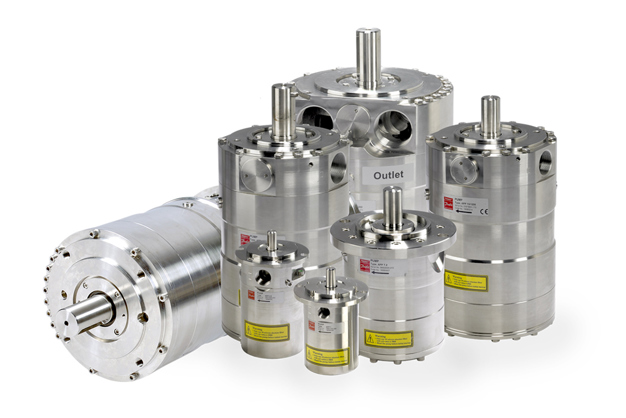
In hydroponic systems, various types of pumps are used to circulate water and for dosing the nutrients to the plants' roots. The pump you choose will depend on factors such as system size, flow rate requirements, pressure needs and the specific hydroponic system.
Many growers choose to use Danfoss Variable Speed Drives (VSDs) with the pumps in their hydroponic irrigation systems. By combining VSDs with the pumps in your hydroponics system, you get:
Solenoid valves
In hydroponic irrigation systems, solenoid valves are commonly used to control the flow of water or nutrient solution to different sections of the system. There are various types of solenoid valves available, but the most common types in hydroponics are normally closed, normally open and direct acting solenoid valves.
How can I choose the right solenoid valves for my irrigation system?
When selecting solenoid valves for a hydroponic irrigation system, consider factors such as:
This will help you ensure that your system functions properly and extend its lifetime. Additionally, it's essential that you choose solenoid valves specifically designed for use with water or nutrient rich solutions to prevent corrosion and contamination issues.
Pressure Independent Balancing and Control Valves (PICVs and PIBCVs)
For commercial growers or more complex vertical farm systems, precise water management is critical for optimal plant growth. For these farm types, installing the Danfoss Pressure Independent Control Valves (PICVs) or Pressure Independent Balancing and Control Valves (PIBCVs) can provide you with greater control, efficiency and reliability.
What should I consider when selecting PICVs or PIBCVs?
When selecting PICVs or PIBCVs for a hydroponic irrigation system, consider material compatibility. This will help ensure your system functions optimally, extend its lifetime and prevent corrosion and contamination issues.
The benefits of using PICVs and PIBCVs are:
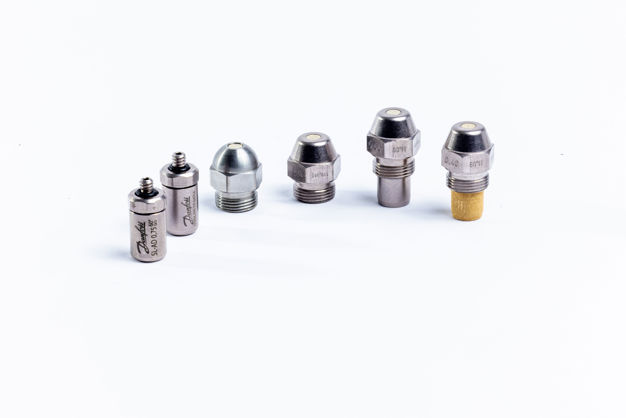
In aeroponic systems, specialized nozzles deliver a nutrient rich solution as a fine mist directly to the plants’ root systems. These nozzles must produce droplets of a specific size to ensure optimal nutrient absorption and minimize waste.
What do I need to consider when designing an aeroponics system?
When selecting nozzles for an aeroponic system, consider factors such as:
This will help you ensure your system’s optimal performance and longevity and create the right aeroponic environment for food production.
While many aeroponic nozzles operate efficiently at lower pressures, some aeroponic system components, such as micro-sprinkler nozzles, may require higher pressures.
TIP: It's essential to select the appropriate pump and nozzle combination based on your aeroponic system’s specific requirements to ensure optimal performance and efficient water and nutrients delivery to the plants. We are more than happy to find the right customizable solution for your needs, backed by the solid support of Danfoss engineering.
We’re here to help you find the best solution for your aeroponics system.
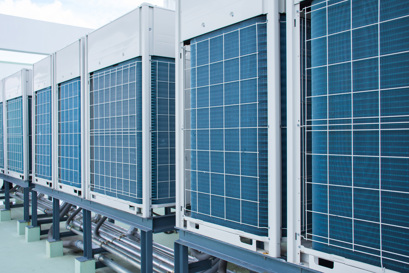
Energy consumption is a key driver for building owners when it comes to chillers. Depending on the building size, type, and use, as well as the surrounding climate, you need different options for your chiller designs to provide the most value to your customers and differentiate yourselves in the market.
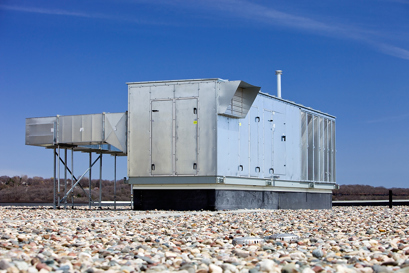
Air Handling Units should exhaust the right amount and right temperature of air at the right moments into a building. Danfoss control valves and actuators ensure the best indoor comfort established in the most energy efficient way. They accurately control the water (heated or cooled) flow into the AHU so the exhaust air temperature matches the desired temperature.
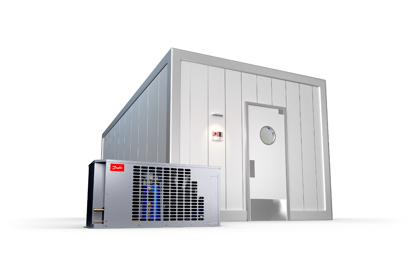
Danfoss solutions for cold rooms help keep the food fresh and safe for consumption and therefore contribute to reducing food loss and waste.
Danfoss provides reliable and oil-free high-pressure pumps for any humidification - and adiabatic cooling systems. The pumps help to control humidity and temperature in greenhouses, supermarkets, server rooms among others.
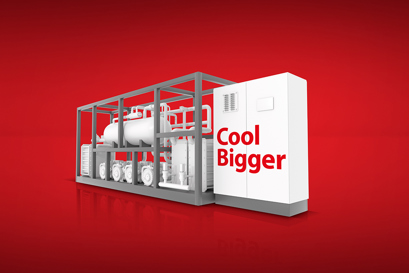
CO₂ is particularly useful as a refrigerant in industrial areas where toxicity or flammability is a concern. Click here to see how we can help you make use of CO₂ in your refrigeration system.
Get in touch here.