

Why is district energy important?
District Energy Systems are networks of hot and cold-water pipes, typically buried underground, that are used to efficiently heat and cool buildings using less energy than if the individual buildings were to each have their own boilers and chillers.
Heating and cooling account for 55% of the global energy consumption in buildings and is currently 75% fossil-fuel based. Decarbonizing heating and cooling by investing in both energy efficiency and renewable energy is essential if we want to succeed with the goal of energy transition.

What is the advantage of district energy?
District energy enables the efficient use of local resources, including e.g. waste incineration, geothermal, solar thermal, biomass/gas, excess heat from industrial processes and power generation or a combination of these.
District energy can also help balance tomorrow’s electricity system, largely reliant on intermittent renewable sources, by providing flexibility through thermal storage, which is generally less expensive than electricity storage.

Solutions for district energy

Using a district heating network, a heat-producing plant pumps heated supply water to consumers where it is used as heating and to generate domestic hot water.
For room heating, the supply water might be used directly.
Alternatively, a heat exchanger could also transfer the heat to an internal circulation. The supply water – which is now cold – then returns to the district heating plant. The district heating supply water circulates endlessly in a closed pipeline.

District cooling provides chilled water for indoor cooling purposes to industrial, commercial and residential buildings through a closed loop pipe network.
The cold water used in a district cooling system can come from free sources such as sea water, or it can be produced from sources like waste heat with the use of steam turbine-driven or absorption chillers or electric chillers. Climate friendly district cooling saves customers up to 45% of their cooling expenses. At the same time it is stable, easy to use and needs only a little maintenance.

Heating Microgrid powered by Danfoss
District heating microgrids are paving the way for a more efficient future. Whether in cities or rural areas, they enable communities to efficiently harness and utilize renewable heating sources, providing a reliable and resilient heating solution.
Lean more about heating microgrids
What is the advantage of district energy?
District energy is an efficient way to heat and cool buildings in populated areas and can reduce both prices and CO2 emissions. By decarbonizing emissions and reducing air pollution, it makes cities better places to live.
District heating accounts for approximately 12% of the European heat demand. It also reduces CO2 emissions by 113 million tons per year. |
Why is it important to decarbonize cooling?
Cooling causes 10% of global CO2 emissions. Global energy demand for comfort cooling is estimated to grow 33-fold by 2100 to more than 10,000 TWh. District cooling emits significantly less CO2 than conventional cooling systems and emits no hazardous refrigerants.
Related material:



Prefer a podcast?
In the podcast mini-series Decarb Districts, we explore the role of district energy in the European green transition.
Find all podcasts
How do we make district energy more energy efficient and sustainable?
By optimizing the temperatures, pressures, flows and heat transfer of heating and cooling networks, energy can be saved, CO2 emissions reduced, and the network prepared for the transition from a central fossil fuel source to multiple renewable and excess heat sources.
Installing automatic controls and more efficient heat transfer units can lead to energy savings of around 15%.
How does hydraulic balancing help?
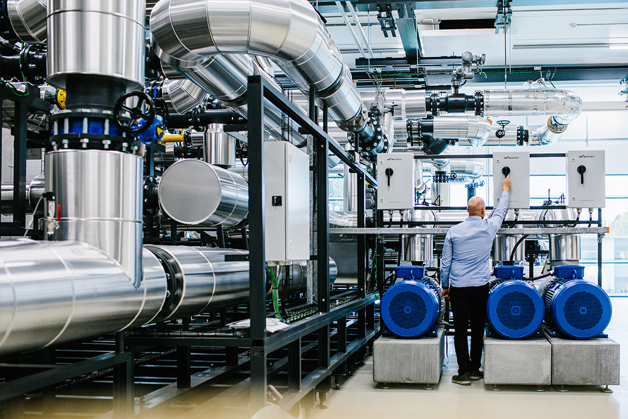
Hydronic balancing is the process of optimizing the distribution of water in a building's hydronic heating or cooling system by equalizing the system pressure. This provides the intended indoor climate at optimum energy efficiency and minimal operating cost.
What is the link between sector integration and district heating?
Take a district heating system with thermal storage that uses electricity to heat up water stored in tanks for later use when green power is less plentiful.
This kind of flexible use and demand is exactly what is needed to achieve the grid stability required to increase the penetration of renewable energy sources and decarbonize the economy.
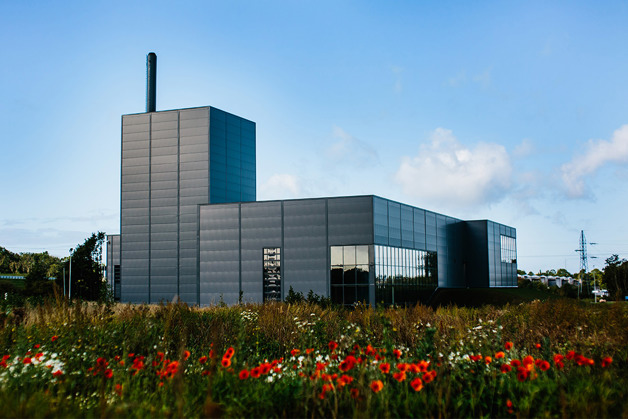
Why is peak shaving and demand side management beneficial for district energy?
Peak shaving and Demand Side Management (DSM) refer to the process of leveling out peaks in electricity use by reducing demand at times of peak demand. Peak shaving/demand side management is crucial to stabilize grids and ensure a stable and evenly priced supply of electricity for consumers.
For district energy, interactive heat DSM will become a key enabler of transition to sustainable energy carriers, and the coupling of heat and electricity sectors.
DSM solutions optimize the heat consumption in the building, saving final energy and adding the building’s thermal capacity as flexibility to the grid.
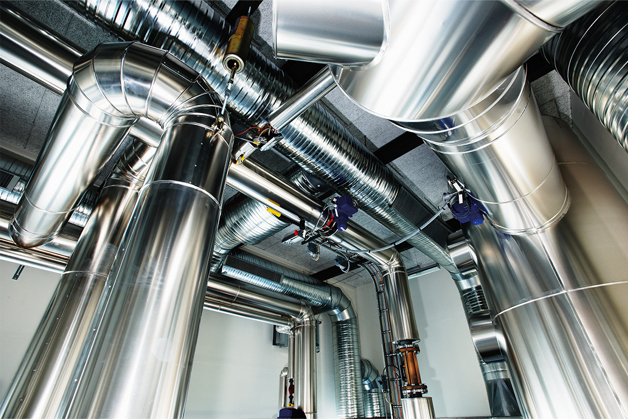
The benefits of DSM for the district heating system are significant: Intelligent DSM leads to average savings in peak power of 20% (calculated from hundreds of sites). |
4th generation district energy has benefits
4th generation district energy has three key advantages: It can use multiple energy sources and switch between them; it provides thermal storage – from an hourly to a seasonal basis, and it connects sectors (heating, cooling, electricity, industry), creating one integrated smart energy system.
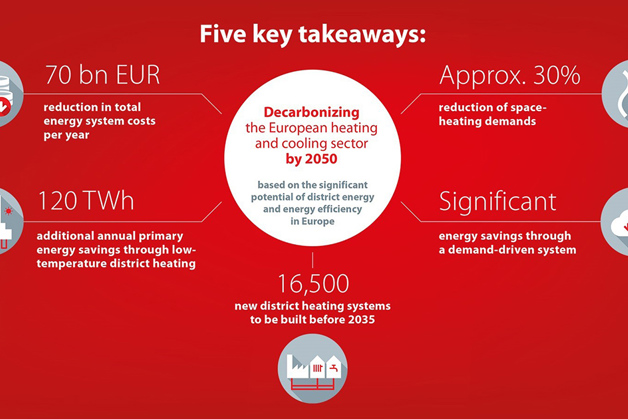
4th generation district heating operating with low temperatures could lead to primary energy savings of around 120 TWh/year and cost savings of up to 6 bn EUR/year in the Heat Roadmap Europe scenario. |
How to store surplus energy?
At times of excess electricity production, heat can be generated using large-scale heat pumps and electric boilers (power-to-heat); if the heat generated by excess electricity exceeds the heat demand the energy can be stored with very high efficiency in thermal storages for later use. The district energy system can therefore act as a virtual battery.

Learn what needs to be done if we want to meet the Paris Agreement, and become climate neutral by 2050.
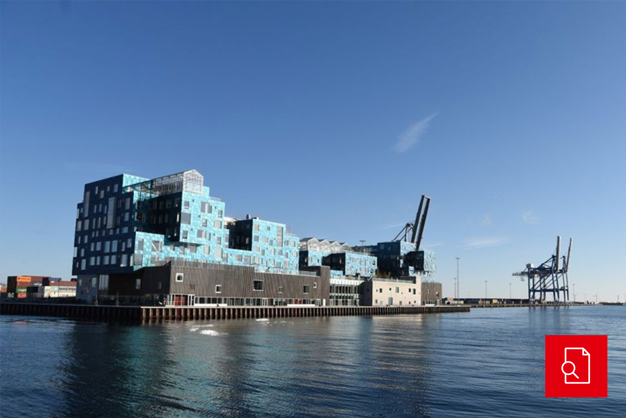
Learn more about Scandinavia's largest urban development project.
What role will digitalization play in district energy?
Digital solutions will play a key role in connecting district energy in the wider energy system and managing complex networks by collecting data, predicting consumption patterns and adjusting heat or cold supply accordingly – making the whole energy system smarter, more efficient and more reliable.



How is Danfoss helping advance district energy?
Danfoss helps cities and utilities create sustainable and modern district energy networks and buildings. By working with national and local governments worldwide, we engineer district heating and cooling systems that not only deliver superior performance and value today, but also create a sustainable platform for tomorrow.

What needs to be done to accelerate adoption of district energy solutions?
|
Explore related topics


Digitalization will both strengthen and challenge the future energy system. Maximizing the energy-saving benefits requires minimizing the negative environmental impact through highly efficient data infrastructure.

Urbanization is driving global population growth in cities. Discover how energy efficiency and smart solutions can help decarbonize cities and combat climate change.

Electrification is key to lowering fossil energy consumption and accelerating the build-out of renewables. A fully electrified system can reduce final energy consumption by up to 40%.

Our reports and analyses provide evidence-backed insights on reducing energy demand, accelerating the green transition, and leveraging existing technologies to replace fossil fuels.