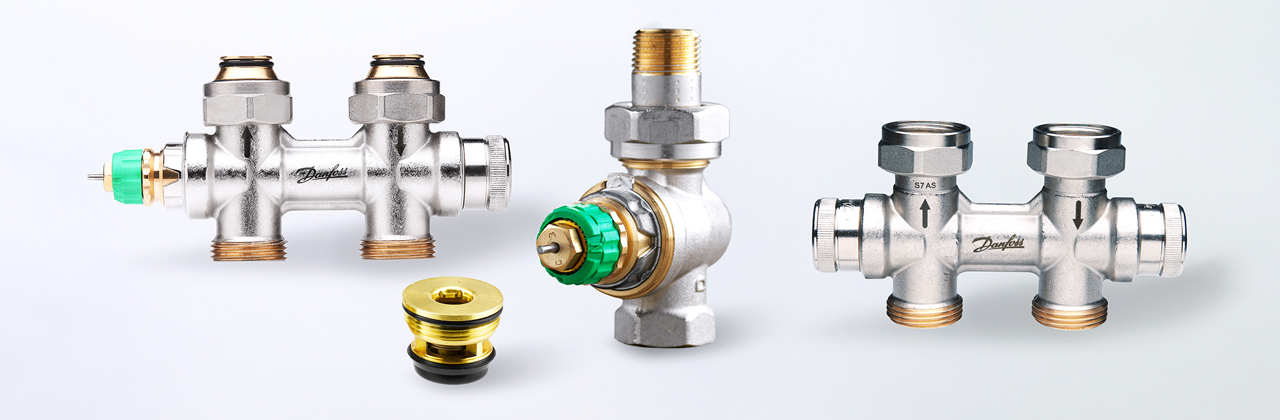
Upgrading a building's heating and cooling controls, particularly through hydronic balancing is a highly effective way to save significant energy (15-38%) with a quick return on investment. The new ISO 16484-4:2025 standard specifies how to implement these systems effectively. According to the standard, only systems that combine modulating room control, occupancy-based demand management, and dynamic hydronic balancing qualify for Class A. Conventional static or flow-limiting valves cannot reach this level. In contrast, Danfoss dynamic balancing valves (RA-DV), designed with the membrane principle, meet all Class A requirements by ensuring true dynamic flow control and high energy efficiency.
In August 2025, the industry published a new standard, ISO 16484-4, providing a precise definition of what constitutes a dynamically balanced system.
Ever since the ISO 52120-1 standard was introduced in 2021, the HVAC industry has grappled with a singular question: What does it mean to have a dynamically balanced system?
The new standard, ISO 16484-4, which the industry published in August 2025, provides the definitive answer to that question. According to the standard, a system must “automatically maintain constant differential pressure across the room temperature control valve, at partial and design flow conditions” to achieve a Class A efficiency rating. This means that both the valve seat and the pre-setting must be pressure independent for the system to be considered dynamically balanced.
According to Tina Krogh Vassard, Senior Product Manager, Hydronics at Danfoss Climate Solutions, the new standard is a welcome clarification for the industry.
Ever since the ISO 52120-1 standard was published in 2021, we’ve been pushing for clarity on what can be considered dynamic balancing. And this new standard finally distinguishes between true pressure-independent valves and simple flow limiters when it comes to dynamic balancing.”
By stipulating that a dynamically balanced system must maintain this state even at partial flow conditions, the new ISO standard ensures that Class A systems use the most energy-efficient approaches to heating and cooling, as Niels Gregersen points out. “Heating and cooling systems rarely operate at design flow conditions 100% of the time. If the system doesn’t account for partial flow conditions, you still risk having a heating or cooling system that wastes energy and doesn’t provide adequate comfort levels for building occupants,” he explains. “Now, under the new standard, building owners who want to achieve a Class A rating, will get a heating or cooling system that maintains a suitable temperature in all rooms at all load conditions.” Studies also suggest that building owners can achieve between 11-22% in heat energy savings by implementing true dynamic hydronic balancing1.
Under the new standard, both the RA-DV and VHS-DV radiator valves from Danfoss are BAC Efficiency Class A compliant.
1 20210322_eubac_System_Balancing_for_TBS.pdf
Are you ready to explore product details, videos, FAQs, and more?
Explore Dynamic Valve™
Heating and cooling account for 30-50% of energy consumption in the EU, primarily from fossil fuels. “Active control of energy usage”, provided through building automation and control solutions, is an essential pillar for efficient buildings. Our expertise in the EN ISO 52120 Standard, a key part of the Energy Performance of Buildings Directive, empowers to make a real impact on heating and cooling controls.

The EU's revised Energy Performance of Buildings Directive (EPBD) mandates hydronic balancing in new and renovated buildings to improve energy efficiency and comfort.
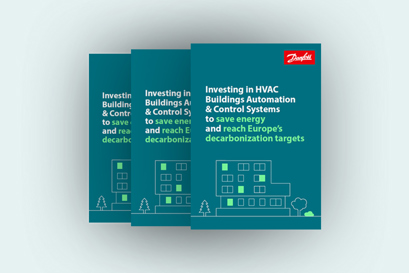
Efficiency upgrades in buildings are more crucial than ever. This expert paper explores cost-effective strategies using Building Automation and Control Systems (HVAC BACS) to enhance building performance, reduce costs, and meet new sustainability targets.

Majority of our total home energy use and energy costs accounts to heating. A new report shows that energy use in our homes could be significantly reduced if homeowners would replace radiator valves without temperature control with thermostatic radiator valves.
Danfoss offers a comprehensive range of hydronic balancing solutions, including PICV, automatic, thermal, and manual valves, to ensure optimal performance for any heating, cooling, or domestic hot water system.
Learn more here
Whether you are a client, homeowner, or building owner, everyone can benefit from increased comfort and reduced energy consumption. Our comprehensive portfolio of residential heating components and systems provides the perfect mix of energy-efficient products for any heating system. These products contribute to lower energy consumption and improved indoor comfort, helping us achieve our mission to decarbonize our cities and communities.

Commercial buildings, from offices and hotels to supermarkets and industrial facilities, serve a vast array of purposes. What they all have in common is the need for HVAC systems that are designed to be as efficient, versatile, and economical as possible. Improving the building’s envelope, energy generation and supply, or the way energy flows within it can significantly boost performance and help decarbonize.