
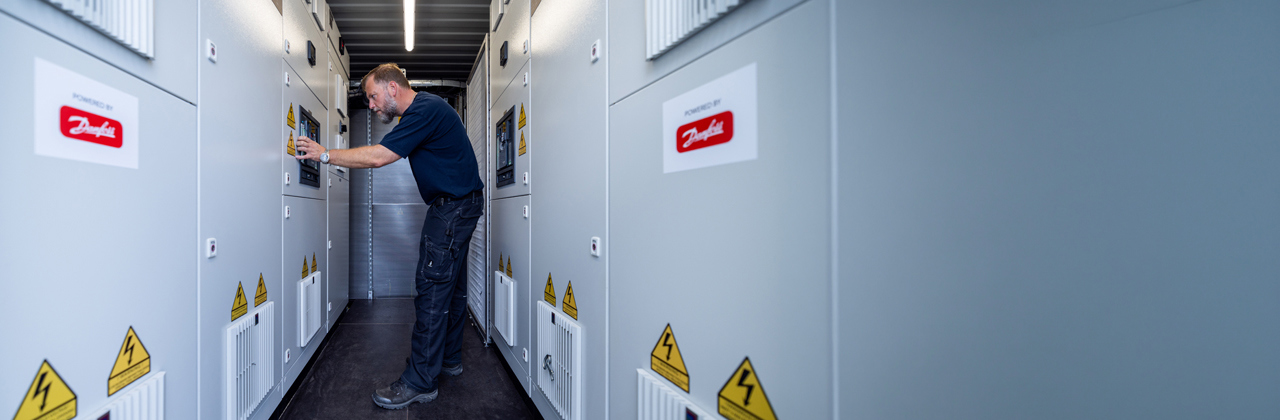
You love VACON® converters. Tried iC7-Hybrid?
Like you, we've relied on VACON® power converters for decades. That legacy is the foundation for iC7-Hybrid: ready to power new clean energy goals.
Meet iC7-Hybrid
Green hydrogen
In Power-to-X projects such as hydrogen electrolysis, VACON NXP Grid Converter gives you the high-efficiency power conversion with low harmonics that you need. Scalable power conversion supports you to grow your green hydrogen capabilities over time, balance the grid, and maintain low operational costs for economical hydrogen production. With an EU target of 40 GW electrolyzer capacity by 2030, this power converter is the bridge between renewable energy and hard-to-decarbonize sectors.
Smart Danfoss grid converter
VACON NXP Grid Converter for smart grids improves stability in the grid by supporting a diverse range of energy generators and energy storage systems. By enabling peak shaving, it in turn reduces the capital investment required for grid infrastructure. It is certified for grid code compliance in a wide range of countries, for fast system certification for system integrators.
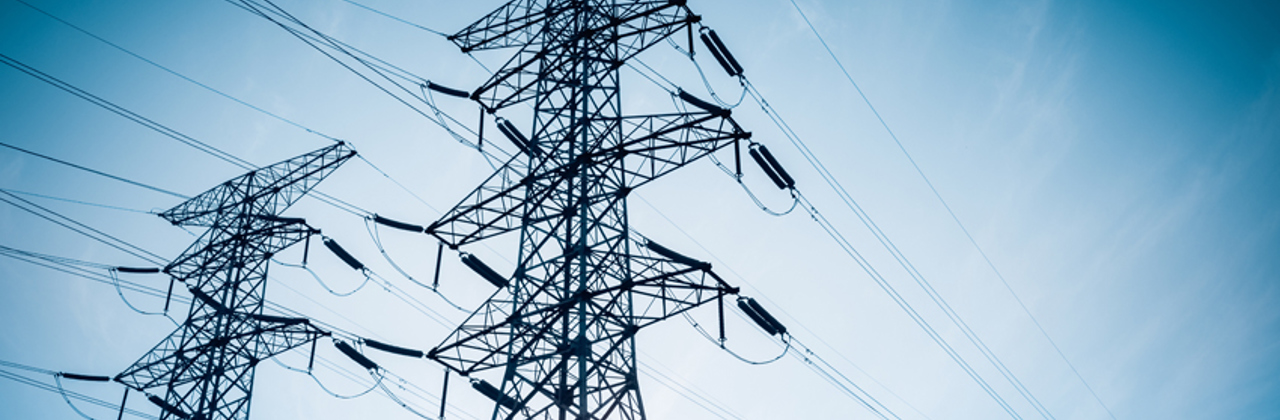
Smart grids
Power networks which include intelligent energy storage offer us highly sustainable solutions for the future
Read the article
Shore supply power conversion
When used with a shore-supply solution, VACON NXP Grid Converter allows electrical power to be sourced from the local grid, rather than the ship’s main engine or generators. This process, sometimes known as ‘cold ironing’, has a significantly positive impact on fuel economy. It causes reductions in CO2, NOx and SOx emissions, as well as noise and vibration levels.
Shaft generator
VACON NXP Grid Converter can also be applied to shaft-generator solutions, ensuring that propulsion machinery is able to operate at various speeds. The shaft generator decouples the shaft from the mains, which allows better electrical quality and improved fuel economy. Additionally, power can either be taken from or entered into the propeller shaft. This is particularly useful for ships that often alternate their speeds as it creates fuel savings and minimizes exhaust emissions by up to 15%. It also creates an emergency mode meaning that the vessel can operate even if the main engine fails.
Support for system integrators
Danfoss supports system integrators (SI) in designing their systems to bid on projects. Our aim is to help customers by providing tools and reference designs to make their system design easier. For instance, Danfoss can provide configurable 3D models as well as 2D general arrangement drawings from our product offering.

Reducing port emissions
Discover how shore supply systems equipped with VACON® NXP Grid Converter help port authorities meet emission targets.
Read more about shore supply
Documents
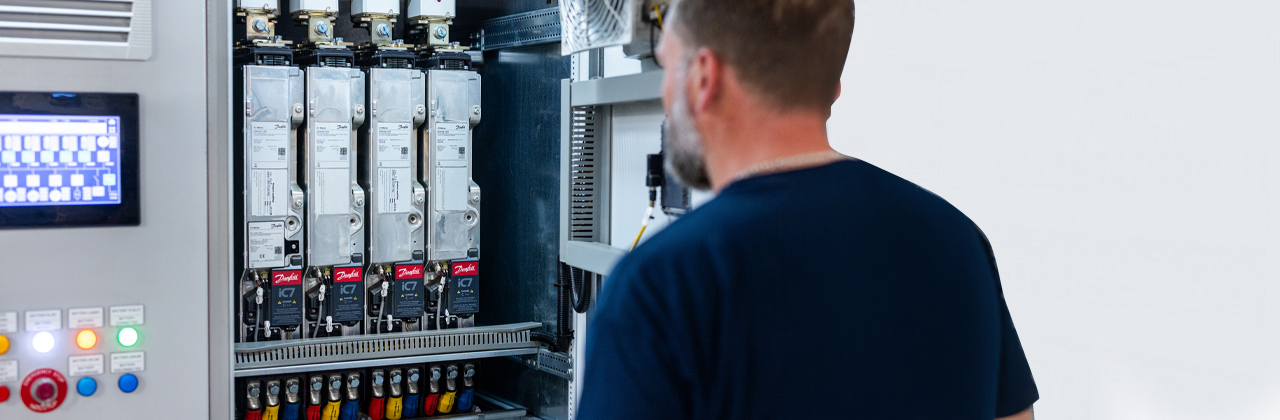
iC7-Hybrid enables your clean energy ambitions
iC7-Hybrid delivers ultra-fast response, high cybersecurity, and unrivalled power density. Everything your future competitiveness demands.
What does iC7-Hybrid offer?
Software
Related applications
Troubleshooting
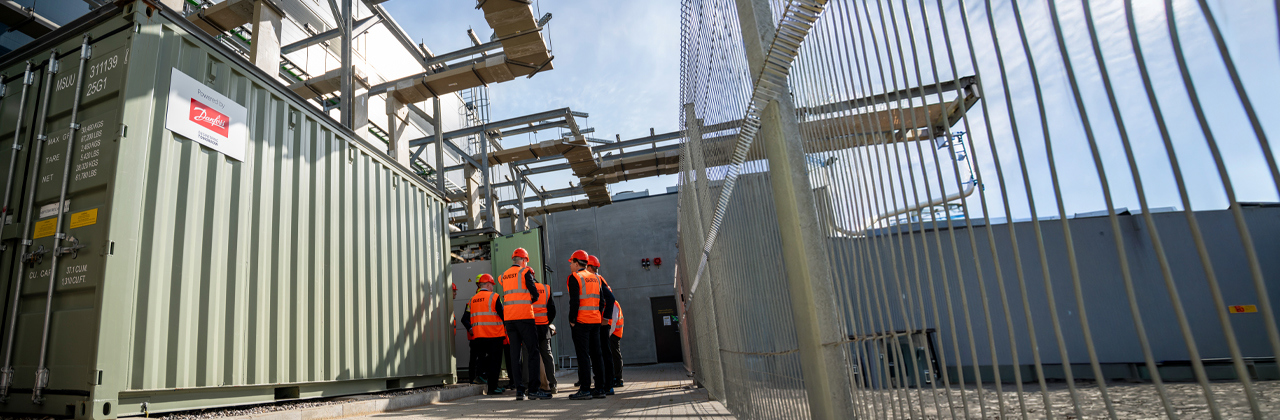
Meet the future head-on with iC7-Hybrid
Power conversion is evolving rapidly. With integrated intelligence, iC7-Hybrid equips you with new competitive edge in the energy transition.
Explore iC7-Hybrid now