
Powering the future of energy-efficient brine mining
From seawater desalination to high-salinity brine concentration, Danfoss APP pumps and iSave energy recovery devices deliver the performance and energy efficiency needed to enable the next generation of mineral and salt recovery systems.

Why brine mining needs more energy-efficient solutions
As global demand for lithium, magnesium, and food-grade salt surges, brine mining is emerging as a less environmentally disruptive alternative to conventional mining. But brine valorization is only economically viable if energy use and system complexity are kept in check.
Danfoss APP pumps and iSave ERDs form the foundation of ultra-energy-efficient SWRO and OARO systems. They deliver the precise, stable high-pressure performance needed to make brine valorization commercially and environmentally feasible.
Learn how RO and OARO pre-concentration boost efficiency and cut brine mining's financial and environmental costs.
See infographic
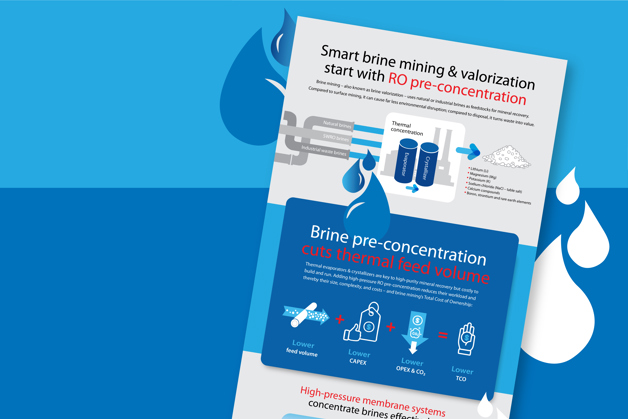

Brine mining systems that integrate seawater desalination (SWRO) and osmotically assisted reverse osmosis (OARO) need precise, dynamic pressure control across high-salinity stages. Few pump technologies meet both the high-pressure demands of SWRO and the variable pressure needs of OARO while maintaining energy efficiency and reliability.
Danfoss APP pumps are designed for this challenge. As positive displacement pumps, they provide consistent flow and pressure regardless of system changes.
With up to 91.6% efficiency, they reduce specific energy consumption (SEC) and improve OPEX. Built from corrosion-resistant materials with a simple, serviceable design, APP pumps suit harsh, remote environments. Their modularity and VFD compatibility ensure precise pressure control and responsiveness in complex, multi-stage systems.
Read the full article here
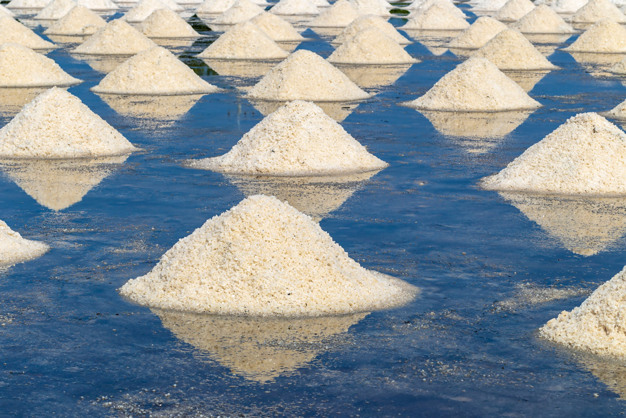
Hyrec’s food-grade salt facility in Indonesia is the world’s first large-scale brine mining plant to integrate both SWRO and OARO membrane technologies. At the heart of this innovation are Danfoss APP pumps and iSave energy recovery devices, which enable high-efficiency brine concentration while minimizing thermal system demands.
Producing 220,000 tons of high-purity salt and over 27,000 cubic meters of desalinated water daily, the plant delivers exceptional output with low energy use and reduced environmental impact. Danfoss technology plays a central role in keeping system performance stable, even under shifting salinity and viscosity conditions.
“These high-pressure stages are critical to the plant’s TCO,” explains Hyrec’s Ata Kayaoglu, “and Danfoss technology ensures their energy efficiency, reliability, and adaptability.”
Read the full case story here
Rethinking brine mining with high-efficiency RO pre-concentration
Membrane-based pre-concentration is transforming how we recover resources from brine. Advanced RO and OARO systems are now enabling a new generation of brine valorization projects – ones that are smaller, faster to deploy, and far more energy-efficient.
By reducing the size and energy burden of thermal systems like evaporators and crystallizers, these high-efficiency membrane systems are making previously uneconomic brines viable. But membranes alone aren't enough – performance hinges on precision-engineered components like Danfoss APP pumps and iSave ERDs, which consistently minimize specific energy consumption (SEC) even at TDS levels above 150,000 mg/L.
Energy-efficient pre-concentration of brines is critical to unlocking circular resource strategies – and the same processes can help SWRO operators embrace the shift from brine disposal to brine valorization.
Explore how smarter hydraulic design is redefining what’s possible in mineral recovery.
Read the article
FAQ
Read more about solutions for desalination
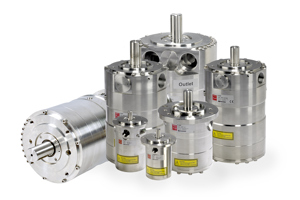
The range of high-pressure APP pumps is optimized for both landbased, off-shore and marine sea water reverse osmosis applications. Available with or without motor.
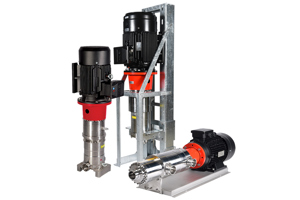
With a 3-in-1 design that integrates highly effective isobaric pressure exchangers with positive displacement booster pumps and electrical motors, active iSave® ERDs deliver big energy savings in small spaces. Covering train sizes from 200-3,000 m3/day
Related applications

Due to high energy efficiency and reliability, Sea Water Reverse Osmosis (SWRO) is one of the most sustainable and cost effective solutions for converting sea water to potable fresh water. Danfoss is committed to supporting the desalination industry with energy efficient SWRO solutions.
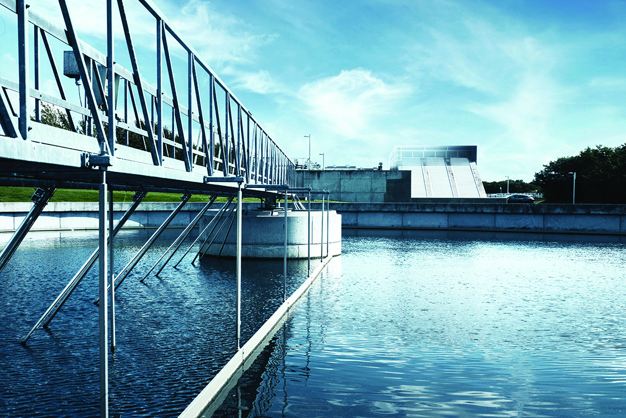
By reducing energy consumption and optimizing energy production from wastewater treatment, we can fuel the entire water cycle for urban municipalities. In industrial wastewater treatment, Danfoss solutions ensure sustainability of zero liquid discharge (ZLD) processes.
Contact us

Maximize energy efficiency
Danfoss provides sustainable solutions for a range of applications to boost energy efficiency, reduce costs, and lower emissions. Reach out to our experts to discover how we can help you achieve these goals.
Get in touch with sales
Follow us to stay up to date with the latest news, updates, announcements, and resources from High Pressure Pumps. Of course, we want to hear from you too - so jump in and join the conversation.