
Waste heat is one of our best opportunities to address competitiveness, decarbonization, and energy resilience.
Download the Impact paper now
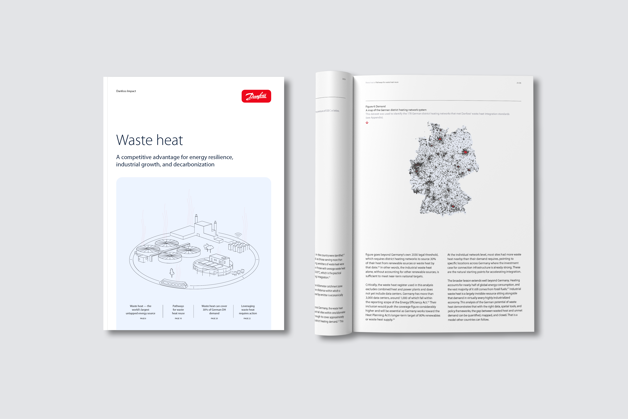
Waste heat — the world’s largest untapped energy source
Every day, all over the world, energy is consumed on an industrial scale in facilities such as supermarkets, metro systems, factories, and wastewater treatment plants. Much of this energy is directly converted into work or useful heat, powering our societies and providing essential goods, services, and economic livelihoods. But much of it is not. In fact, in 2024, nearly two-thirds of global energy was wasted in the form of heat. This is because any energy which is not directly converted into work or useful heat is an inefficiency in the energy conversion or use process and thereby lost as waste heat. Just think of the warmth behind a fridge or the heat from a laptop, but on a global scale and in much more energy-intensive processes.
Today, most of this heat is simply released into the atmosphere. This wasted energy yields lost energy and environmental value and missed revenue potential. But it doesn’t have to. In fact, the technology already exists to recover and reuse this waste heat to heat homes, businesses, and industrial processes. However, doing so requires an understanding of where waste heat is produced, how it can be reused, and what it can help societies achieve.
The case for competitive decarbonization is straightforward:
Reusing waste heat means reducing fossil fuel consumption, which would otherwise occur to meet heat demand. When paired with heating electrification, this elimination is total and the reuse becomes about improving efficiency, competitiveness, affordability, and resilience. This translates not only into reduced emissions but also reduced energy cost. Even after installing heat recovery and reuse technologies, payback times are often less than three years.
Only got two minutes?
These are the key takeaways
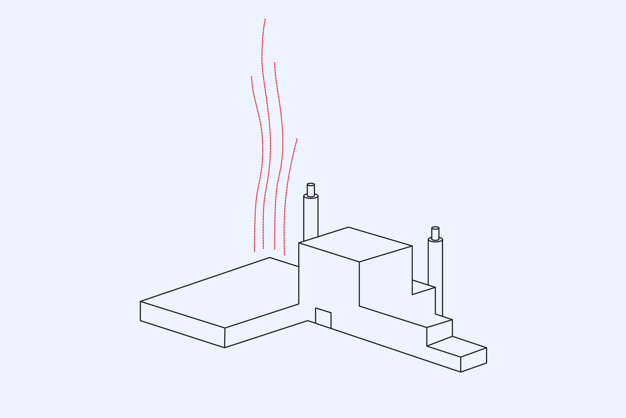
Two-thirds of global energy was wasted in the form of heat in 2024 and up to 55% of energy is still expected to be wasted by 2030. Capture and reuse of this waste heat has the potential to replace fossil-based energy sources, significantly boosting economic and industrial resilience while decarbonizing our energy systems.

By capturing waste heat from one process within a facility to heat water, space, and other industrial processes in that same facility, companies can save significantly on energy bills while reducing emissions. Through on-site reuse, one aluminum manufacturer in Denmark is projected to eliminate 205,600 m3 of gas usage per year, resulting in an annual CO2 emission reduction of 407 tons.
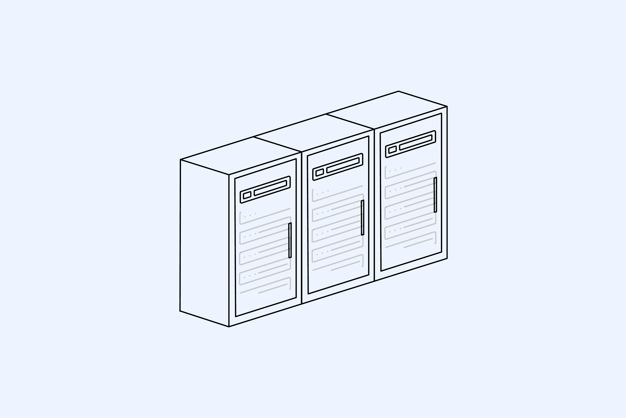
Data centers are one sector with significant waste heat supply but nearly zero on-site demand. Typically operating 24/7/365, they can serve as a constant source of waste heat to nearby off-takers through microgrids or district heating systems. In one Chinese industrial microgrid, waste heat provided by two data centers is expected to reduce annual energy use by 1.1 million kWh while cutting CO2 emissions by an estimated 1,659 tons per year.
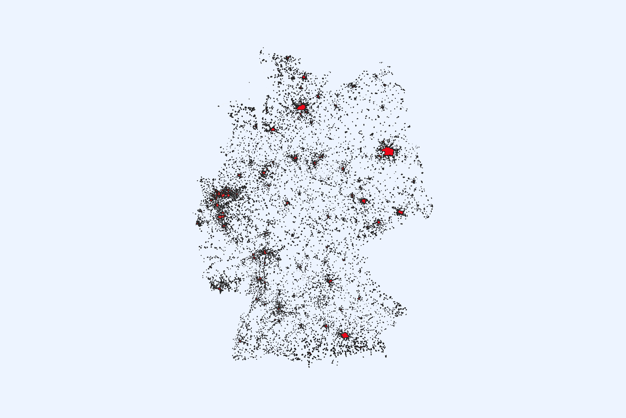
There is a clear untapped potential to decarbonize heating on a large scale in many cities. In the EU, Germany alone accounts for more than 20% of the total industrial waste heat recovery potential. New Danfoss analysis of the German district heating networks shows that over 30% of its district heating demand can be feasibly covered by existing industrial waste heat emitters.
While many key players have realized the incredible economic and decarbonization potential of waste heat, it remains the world's largest untapped energy source.

Analysis: Germany’s district heating demand
Waste heat can feasibly cover over 30% of German district heating demand
Germany sits at the center of Europe’s industrial waste heat story, accounting for more than 20% of the EU’s total industrial waste heat recovery potential. Italy, France, and the UK each contribute roughly 10%, placing Germany in a category of its own. What Germany does with its waste heat matters more for the global heating transition than what any other European country does, and right now, almost all of it is being wasted.
To understand how much of this potential could be realistically captured, Danfoss conducted an analysis of Germany’s industrial waste heat emitters and district heating networks.
The analysis found that across Germany, the waste heat currently produced at industrial sites within one kilometer of those 178 networks is enough to cover approximately 30.4% of annual German district heating demand. This figure goes beyond Germany’s own 2030 legal threshold, which requires district heating networks to source 30% of their heat from renewable sources or waste heat by that date. In other words, the industrial waste heat alone, without accounting for other renewable sources, is sufficient to meet near-term national targets.
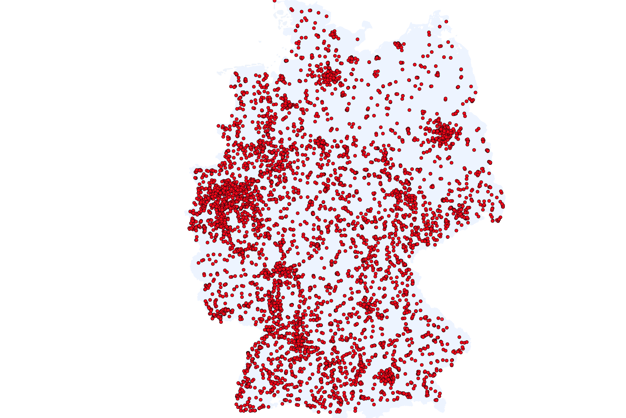
Industrial and commercial waste heat emitters registered under Germany's EnEfG with an average temperature of 500 C or below, the technically recoverable range for district heating.
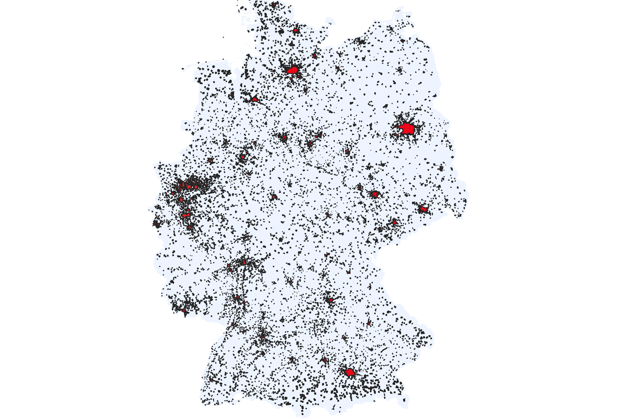
This dataset was used to identify the 178 German district heating networks that met Danfoss' waste heat integration standard.
Danfoss Impact Series
This Impact paper outlines the opportunities to leverage data centers to strengthen global energy systems.
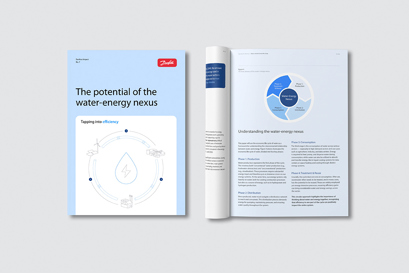
This Impact paper emphasizes the critical importance of seeing water and energy as interdependent resources.
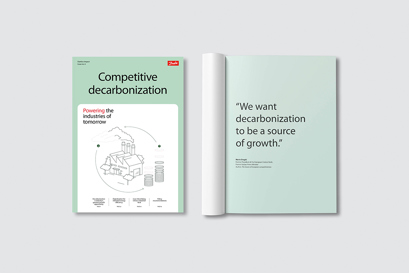
This Impact paper provides a clear guide on how companies can strengthen their competitive advantage through decarbonization, electrification, and energy efficiency.