
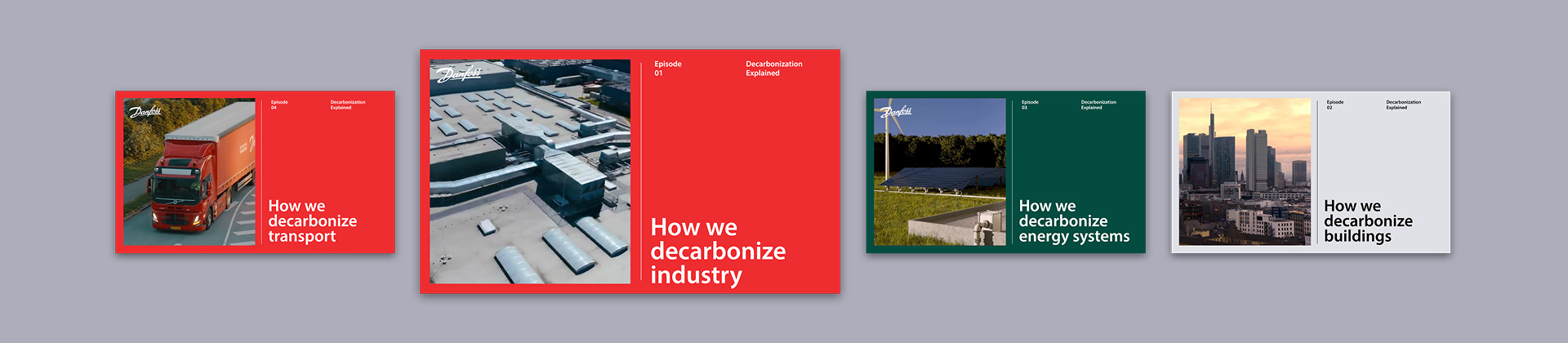
Decarbonization Explained series
Close partnerships have never been more important. We need deeper collaboration across the entire value chain to systemically drive down emissions fast enough to meet the overarching goal of the UN Paris Agreement. Seeing is believing!
In our new series Decarbonization Explained, we bring industry experts, partners, and customers together to share best practices on how we can speed up the decarbonization of Industry, Transport, Buildings, and Energy systems.
We have the solutions and technology needed to accelerate climate action. We invite all to share learnings across industries and sectors to reach our common sustainability goals.

Watch all episodes in our Decarbonization Explained series
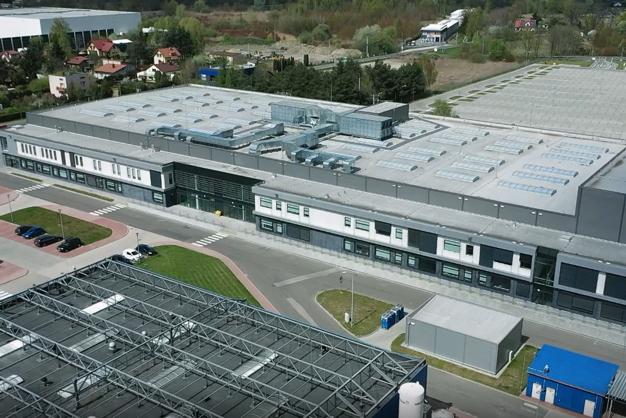
Industry accounts for 38% of global CO2 emissions from end-use sectors. Whenever we need goods, food, transportation, or comfort, we create emissions. We have created a way of human life that is interlinked with emissions. The encouraging fact is we can decarbonize most things with technology already available today.
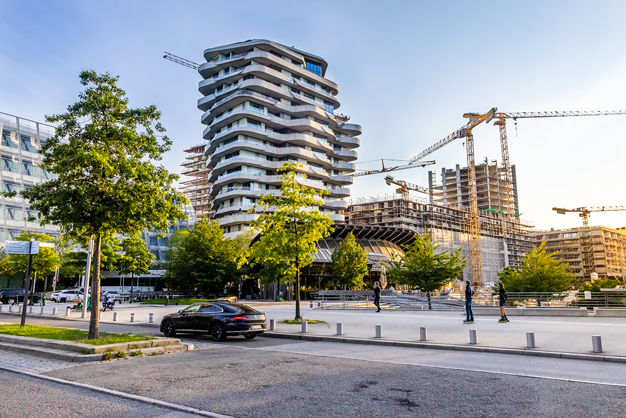
Our homes, offices, hospitals, schools, and factories all require energy for power, heating, and cooling. Globally, buildings are the second largest source of energy-related carbon emissions. In total, buildings account for 26% of global CO2 emissions from end-use sectors.
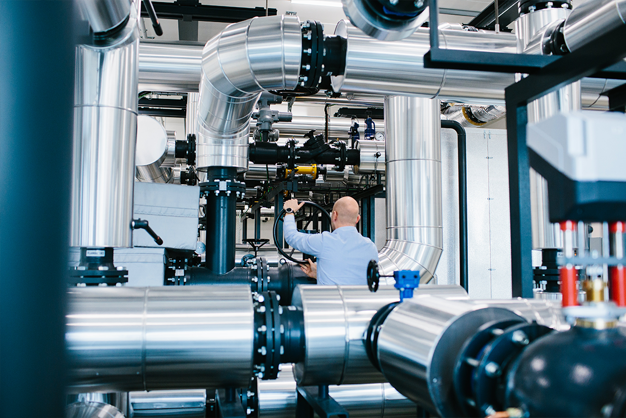
Excess heat can be reused to supply a factory with heat and warm water or exported to neighboring homes and industries through a district energy system. Excess heat is a hidden resource of energy, and it is all around us.
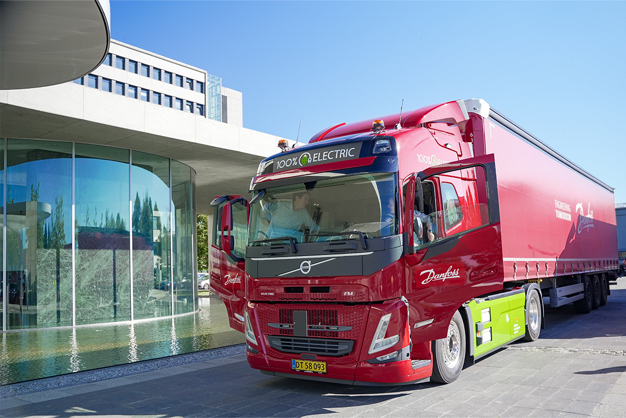
Improved efficiency can accelerate the electrification of transport. With electrification comes great opportunities to enhance the flexibility, efficiency, and environmental performance of almost any application or system, at sea or on land, transforming mobility for a low-carbon future.
Read more about how Danfoss is driving sustainability
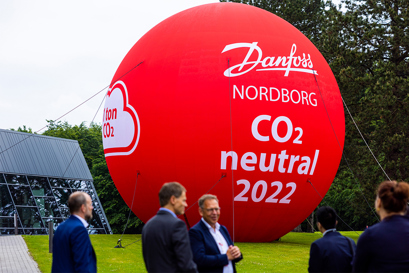
We help our customers decarbonize through our energy-efficient solutions and ensure carbon neutrality in our operations.

We innovate best-in-class circular and safe products.

We are committed to recruiting a diverse workforce, creating an environment of belonging, retaining our talents, and increasing representation.