
Industry accounts for 38% of global CO2 emissions from end-use sectors. But we can decarbonize most things with technology already available today while staying competitive.
Play video
Be the first to know when new episodes are released in our Decarbonization Explained series.
Close partnerships have never been more important. We need deeper collaboration across the entire value chain to systemically drive down emissions fast enough to meet the overarching goal of the UN Paris Agreement.
In our new Decarbonization Explained series, we bring together industry experts, partners, and customers to share best practices on how we can speed up decarbonization across sectors. Like other popular explainer video series, we take you in-depth on the topic, looking at it from many angles to show the big picture and the red thread that ties everything together.
We have the solutions and technology needed to accelerate the green transition. Let's engineer tomorrow to build a better future.
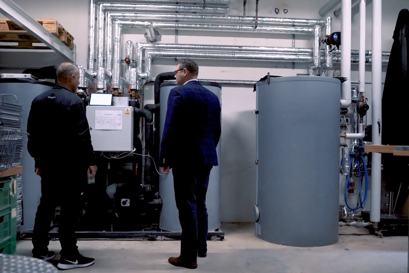
Welcome to our modern visitor center, where you can see how our energy-saving technological installations work in practice.
Learn more
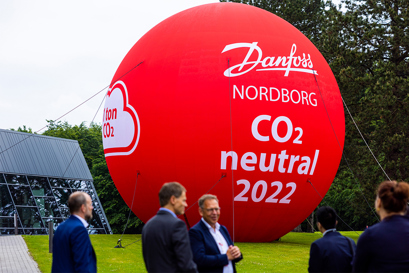
We help our customers decarbonize through our energy-efficient solutions and ensure carbon neutrality in our operations.
We innovate best-in-class circular and safe products.
We are committed to recruiting a diverse workforce. We're actively creating an environment of belonging, retaining our talents, and increasing representation.
Decarbonization refers to the process of reducing or eliminating carbon dioxide emissions from various sources, such as energy production, transportation, and industrial processes. It involves transitioning to cleaner and more sustainable alternatives.
Deep decarbonization goes beyond simply reducing emissions and aims to achieve significant and long-term reductions in greenhouse gas emissions. It involves systemic changes, such as transitioning to renewable energy sources, improving energy efficiency, and adopting low-carbon technologies.
Decarbonization technology encompasses a range of solutions and innovations that help reduce carbon emissions. It includes renewable energy technologies (like solar and wind power), energy storage systems, electrification, and energy-efficient solutions.
Decarbonization is crucial for mitigating climate change and achieving the goals of the Paris Agreement by limiting global warming to 1.5 degrees. By reducing carbon emissions, we can minimize the negative impacts of climate change, improve air quality, enhance energy security, and drive innovation and economic growth in clean energy sectors.
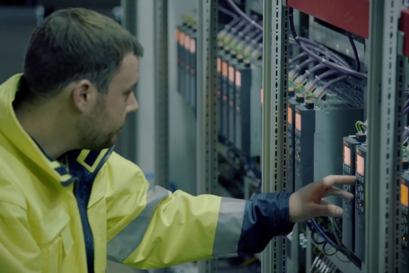
An energy efficiency solution like variable speed drives, which reduces energy consumption, shows how we can accelerate decarbonization. Typically, a motor controlling a fan runs at full speed by default, regardless of the power required. With a variable speed drive, the motor's voltage and frequency are adjusted to match actual power needs while maintaining consistent energy flow. By reducing the energy consumption of electric motors and improving their efficiency, less energy is required, which leads to lower emissions being released into the atmosphere.
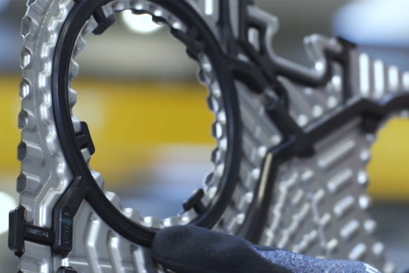
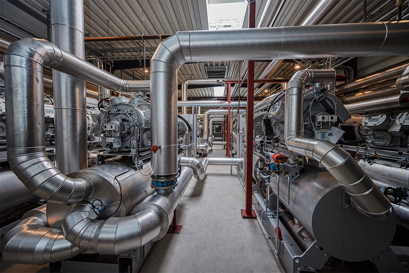
An example of a decarbonization solution is excess heat recovery from processes already in operation—such as industrial processes, data centers, and supermarket refrigerators—using technologies like bi-directional heat transfer, heat exchangers, heat recovery units, and heat pumps. This recovered heat can then be recirculated in district energy networks, reducing the heating demand that would otherwise be met by burning fossil fuels.
Heavy industry—such as steel, cement, and chemical production—is often considered the hardest sector to decarbonize. These industries rely heavily on fossil fuels and energy-intensive processes that require high temperatures, where electrification is difficult, making it challenging to find viable low-carbon alternatives.
Decarbonization can be achieved through various methods, including transitioning to renewable energy sources, improving energy efficiency, electrification of transportation and heating systems, and promoting sustainable practices.
Successful decarbonization requires a combination of policy support, public awareness, ambitious targets, incentives for low-carbon solutions, investment in research and development, and long-term planning. By following a proven approach, we can achieve rapid and cost-efficient decarbonization. This approach involves, first, applying energy-efficient solutions to reduce consumption; second, reusing energy; and third, meeting any remaining demand with clean energy sources, such as renewable electricity and green hydrogen.
Decarbonization requires a holistic approach that involves strong political will, supportive policies and regulations, technological innovation, financial investments, and public engagement.
Yes, decarbonization is often considered a critical aspect of Environmental, Social, and Governance (ESG) practices, as it addresses environmental concerns, social impacts, and long-term sustainability goals.
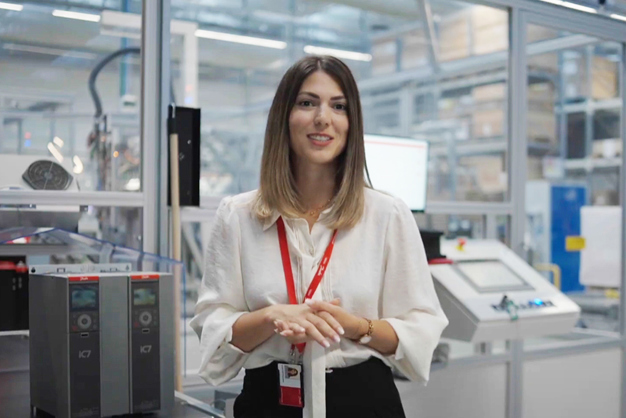
Join Larisa to learn how variable speed drive (VSD) technology can intelligently adjust motor speed to match real-time requirements, reducing overall energy use by 40% or even more.
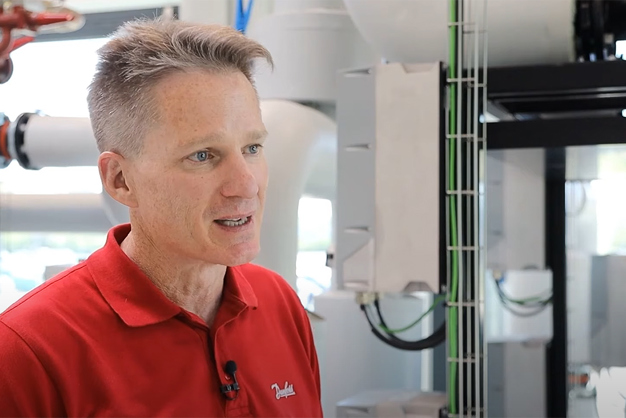
Join Drew to explore heat recovery technology, how it works, and the benefits we've seen by implementing it in several of our locations worldwide.