
Sector integration
Heating and cooling accounts for half of the EU’s energy consumption and is currently 75% fossil-fuel based. To succeed with the energy transition in Europe, therefore, decarbonizing our heating and cooling supply is essential. Energy efficiency and the smart integration of renewable energy through sector coupling, is the cost-effective pathway for achieving our goals.
The report by Aalborg University was initiated by Danfoss and Engie.
Download the full version here.
Five key takeaways from the report
Towards a decarbonized heating and cooling sector
- 50% share of district heating systems by 2050, from 12% today
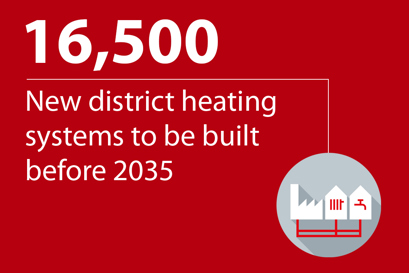
- 16,500 new district heating systems to be built before 2035
- Investments from fossil fuel based individual heat supply to be shifted towards district heating
- 120 TWH savings from establishing low temperature district heating
- Up to 30% reduction in space heating demands by taking a system approach
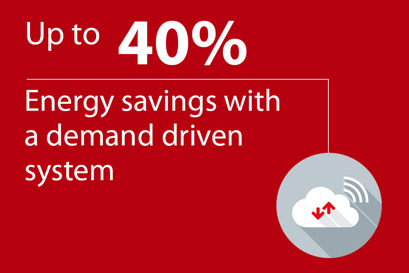
- Up to 40% energy savings by moving towards a demand driven system (2014 EU Report Building Heat Demand, VHK)
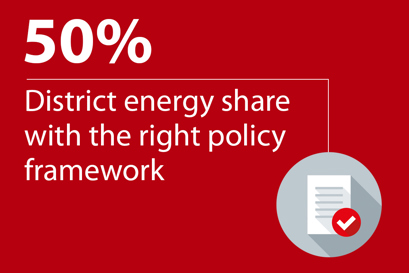
- Establish heat planning and assess potential on national and local level
- Improve availability of data about district heating and cooling networks
- Ensure a level playing field for sustainable solutions
Explore our case stories
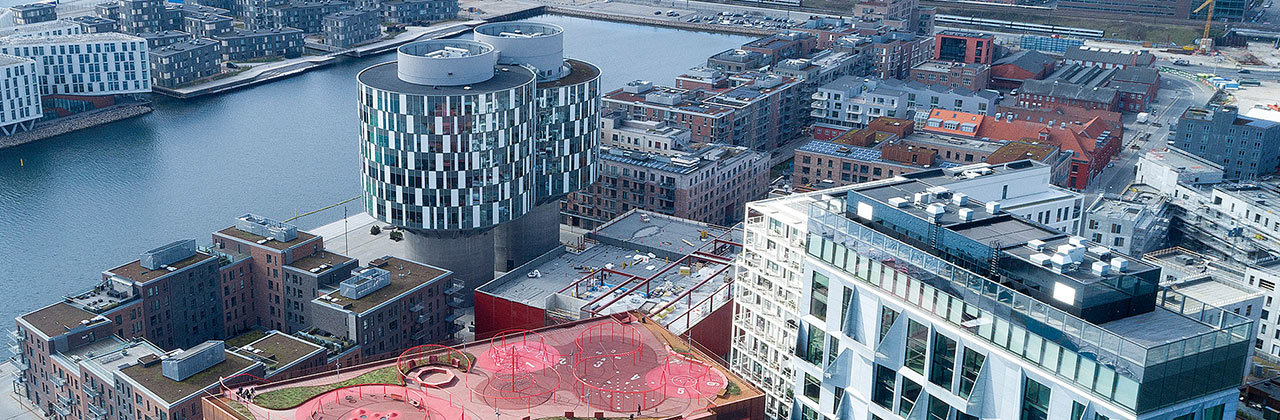
Nordhavn – Denmark’s energy lab of the future
EnergyLab Nordhavn is a key part in reaching Copenhagen’s overall goal of being CO2 neutral by 2025.
Read more
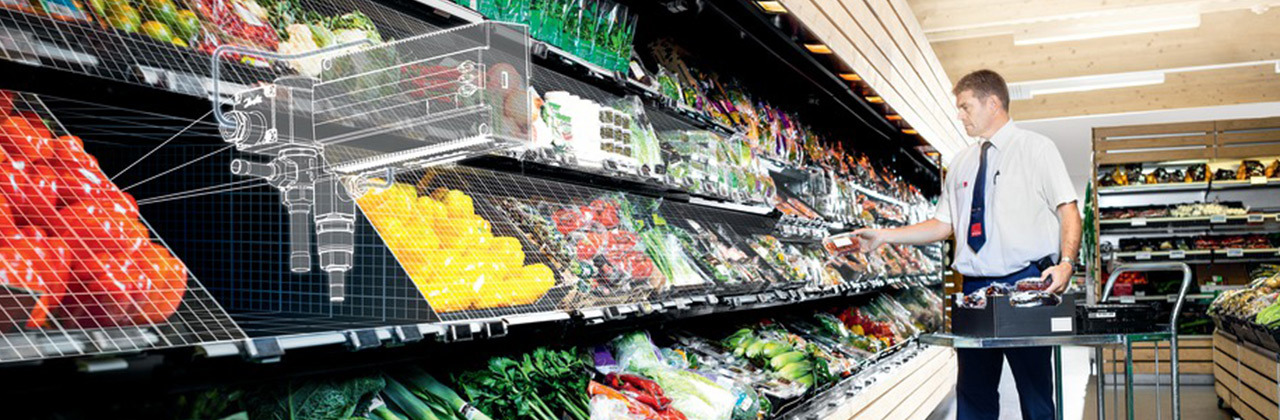
Using surplus heat from refrigeration
In Sønderborg, Denmark, the local supermarket provides neighboring buildings with surplus heat from its refrigeration system which would otherwise be lost.

Get to know more about this topic on our podcast
In the podcast mini-series Decarb Districts, we explore the role of district energy in the European green transition. Our host Susanne Tull, Senior Manager Public Affairs at Danfoss, is joined by leading specialists and visionaries across the energy sector who share their views and ideas around 5 topics ranging from digitalization to energy planning.
Listen now