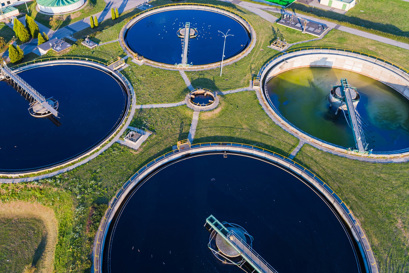

Accelerating competitive decarbonization
The science is clear: the last decade has been warmer than any decade in the past 125,000 years.
At the same time, we are in an energy crisis with soaring prices and an urgent need for countries to strengthen energy security. The good news is that it is not too late to take action.
We provide a clear guide for companies to strengthen their competitive advantage through decarbonization, demonstrating how a political framework can accelerate the transition and help meet the Paris Agreement goals. The solutions are available now, and many technologies have short payback times. Using our energy more intelligently will enable faster, more affordable CO₂ reductions.

Energy efficiency must take center stage and work in harmony with the build-out of renewables to meet our climate goals, ensure energy security, boost the economy, and transform the way energy is governed and consumed.

Electrification is key to lowering fossil energy consumption and accelerating the build-out of renewables. A fully electrified system can reduce final energy consumption by up to 40%.
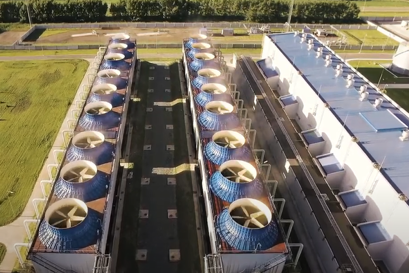
Our reports and analyses provide evidence-backed insights on reducing energy demand, accelerating the green transition, and leveraging existing technologies to replace fossil fuels.
Explore all reports and analyses
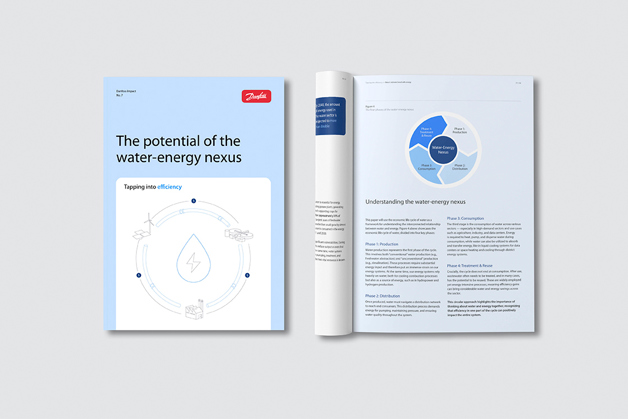
Explore competitive decarbonization in action
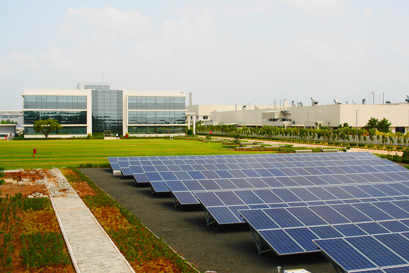
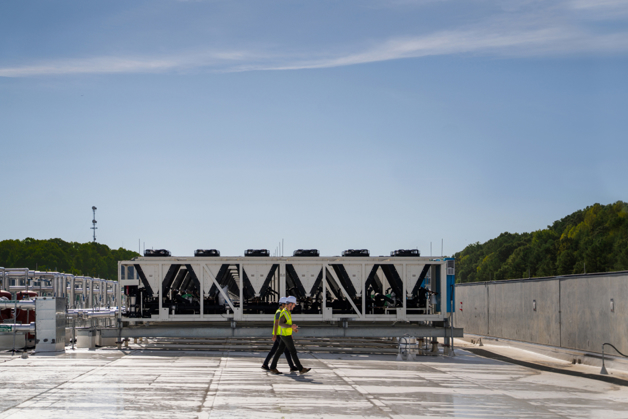
We use our Danfoss technologies to decarbonize our global campuses – demonstrating the impact of competitive decarbonization. This is how we walk the talk at our campus in Chennai, India.
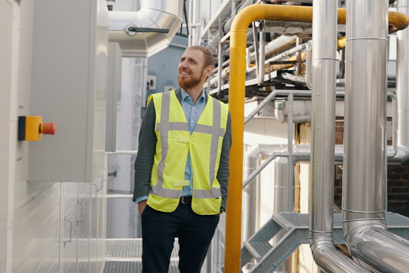
Gulpener Brewery in the Netherlands aims to be carbon-neutral by 2030. As part of this goal, the local installer, Servex, has recently electrified Gulpener’s process heating system, using Danfoss components, including Bock compressors, for higher-temperature heat pumps.
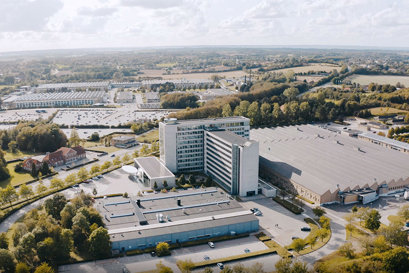
Industry accounts for one-third of global energy consumption and remains one of the most difficult sectors to decarbonize. Industry has a unique role to play in the battle against climate change. Danfoss uses its own technologies to decarbonize its global campuses – demonstrating the impact of competitive decarbonization.

Megatrends
Global megatrends continue to create significant opportunities for Danfoss.
Read more
There is no time to wait, we need to act now and many of the solutions are already in our hands.

In our Decarbonization Explained series, we collaborate with industry experts, partners, and customers to share best practices for accelerating decarbonization across various sectors.
Watch series
Never miss an insight!
Sign up to our mailing list and we’ll keep you updated with fresh takes on the decarbonization journey. That way you’ll always stay informed of the latest solutions to the world’s toughest challenges.
Competitive decarbonization FAQs
What is competitive decarbonization?
Competitive decarbonization refers to the strategic approach businesses and industries take to reduce their carbon footprint while simultaneously gaining a competitive advantage in the market. This involves implementing innovative technologies, processes, and practices that not only contribute to environmental sustainability but also enhance business performance, reduce costs, and meet consumer demand for greener products.
What are some examples of competitive decarbonization?
- Energy Efficiency Improvements: Companies investing in energy-efficient technologies and practices to reduce energy consumption and lower operational costs.
- Renewable Energy Adoption: Transitioning to renewable energy sources, such as solar or wind power, to decrease reliance on fossil fuels and reduce greenhouse gas emissions.
- Sustainable Supply Chain Practices: Implementing sustainable practices throughout the supply chain, such as using eco-friendly materials and optimizing logistics to reduce emissions.
- Product Innovation: Developing new products that are environmentally friendly and have a lower carbon footprint, thus appealing to environmentally conscious consumers.
How can we overcome potential challenges associated with competitive decarbonization?
- Investment in Technology: Allocating resources to research and development for cutting-edge technologies that facilitate decarbonization.
- Collaboration and Partnerships: Engaging with stakeholders, including suppliers, customers, and industry peers, to share knowledge and best practices.
- Regulatory Compliance: Staying informed and compliant with environmental regulations and standards to avoid penalties and enhance reputation.
- Cultural Change: Promoting a culture of sustainability within the organization to ensure all employees are aligned with decarbonization goals.
- Risk Management: Identifying and managing risks associated with transitioning to lower-carbon operations, such as supply chain disruptions or technology adoption challenges.
What initiatives are Danfoss taking to promote competitive decarbonization?
- Energy-Efficient Solutions: Danfoss offers a range of products and services designed to improve energy efficiency in various applications, from heating and cooling systems to industrial automation.
- Sustainable Product Development: The company focuses on developing products that reduce environmental impact and support sustainable practices across industries.
- Collaboration and Innovation: Danfoss collaborates with partners and participates in industry forums to drive innovation and share best practices in decarbonization.
- Commitment to Carbon Reduction: Danfoss is committed to reducing its own carbon footprint through sustainable operations and practices.