
The challenge of ballast water
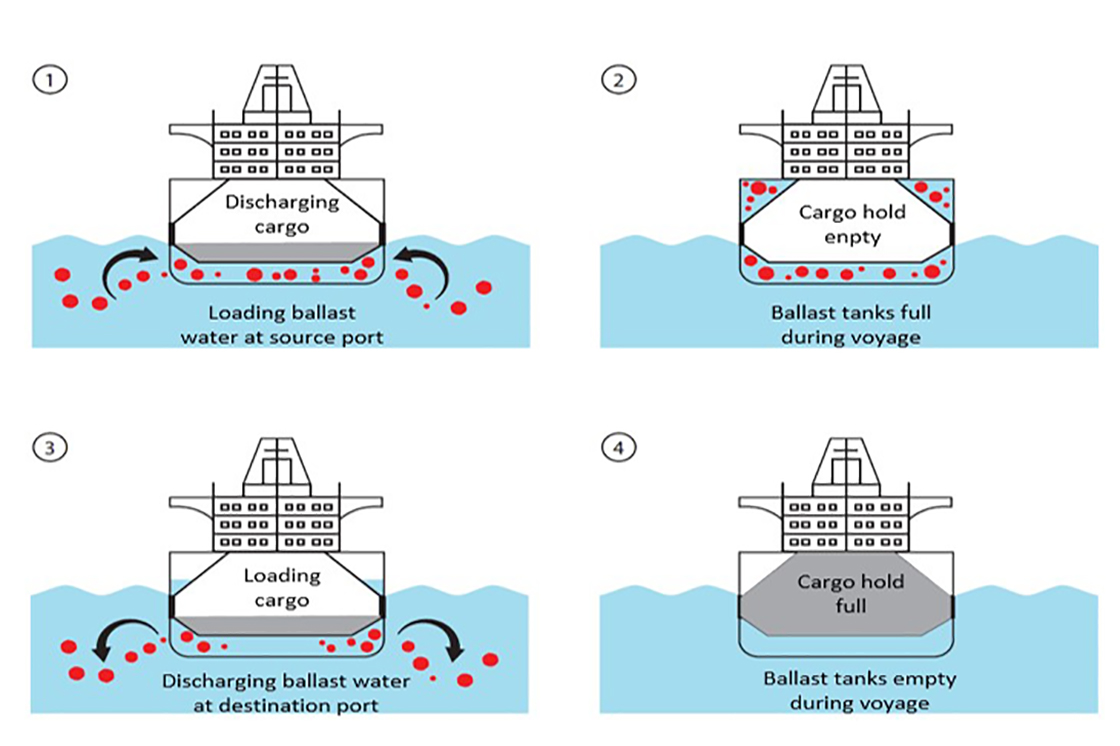
The problem of invasive species carried in vessels' ballast water is largely caused by the ever-growing trade and traffic across the oceans. The huge amounts of ballast water pose serious ecological, health and economic challenges, as it carries invasive species – bacteria, microbes, plankton, eggs, cysts, and larvae - from one part of the world to another.
Facts about ballast water and invasive species
- It is estimated that around 6-10 billion tons of ballast water are moved around the world in ballast tanks every year.
- Every day, an estimated 7,000 marine and coastal species travel unnoticed across the world's oceans, silently stowed away in vessels' ballast water tanks.
The effect of the unwanted species has been devastating to local eco-systems. Data shows that the rate of bio-invasions continues to grow at an alarming rate, and new areas are being invaded all the time.
Since the volumes of seaborne trade are expected to continue growing, the problem associated with ballast water may not have reached its peak yet. In order to mitigate the problem, the IMO Ballast Water Management legislation came into force in September 2017.
However, a proposal to delay the requirements for existing vessels was accepted by the Marine Environmental Protection Committee, postponing the enforcement of the new legislation to September 2019.
Solutions to comply with new Ballast water treatment systems
To fulfill the requirements of the new regulation, the number of Ballast Water Treatment Systems (BWTS) is expected to accelerate in the coming years.
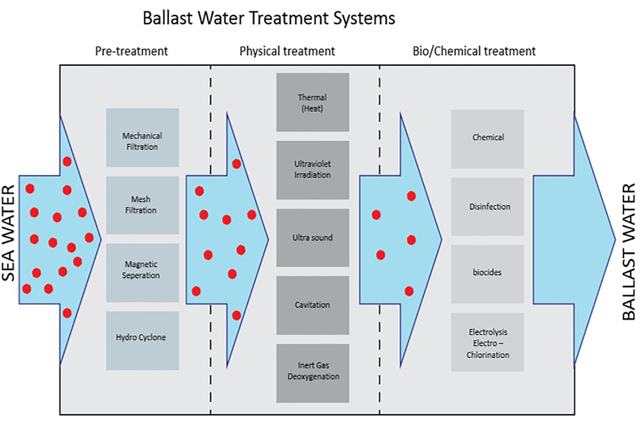
This development inspires the marine industry to think out of the box and develop new technical solutions. Among numerous technologies for pre-treatment, physical treatment and bio-chemical treatment of ballast water, electro-chlorination has become one of the preferred solutions to ensure that all traces of invasive species are removed before the discharge of ballast water.
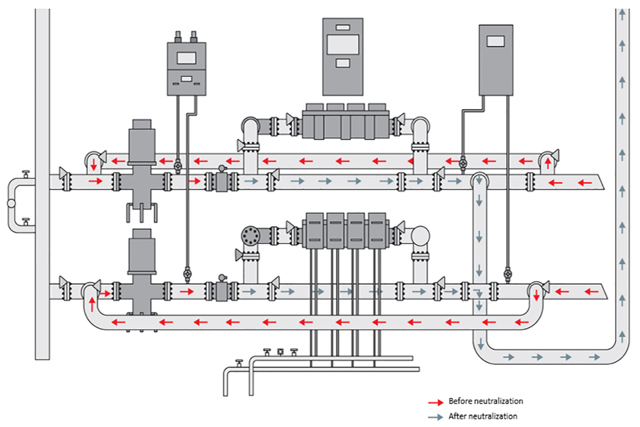
Ballast water treatment systems using Electrolysis, Electro-chlorination or chemical injection of ClO2 has presence of Hypochloriusacid / Hydrocloricacid residue in the ballast water tanks. Therefore, it is necessary to neutralize the ballast water by adding an alkaline chemical such as Sodium Thiosulfate during discharge.
This technical solution increases the need for corrosion-resistant materials that can withstand the aggressive chemicals used in the neutralization processes. For instance, the dosing system must be able to withstand Sodium Thiosulfate (Na2S2O3), which is known to cause severe pitting corrosion in carbon steel. All components coming into direct contact with the aggressive chemical must, therefore, be coated or made of stainless steel (AISI 316L) in order to withstand the impact of the neutralization agent.
Select the right components for Electro-chlorification of ballast water
Danfoss has developed a stainless-steel solenoid valve for aggressive environments. The EV212B solenoid valve anchor is sealed off by an FKM isolating diaphragm that prevents the corrosive media from entering the magnetic anchor. The FKM seal offers high resistance to media such as sea water, Sodium Thiosulfate and Hypochlorous acids.
The new solenoid valve is ideal for ballast water sampling to measure oxidant concentration and in the neutralization unit for dosing Sodium Thiosulfate.
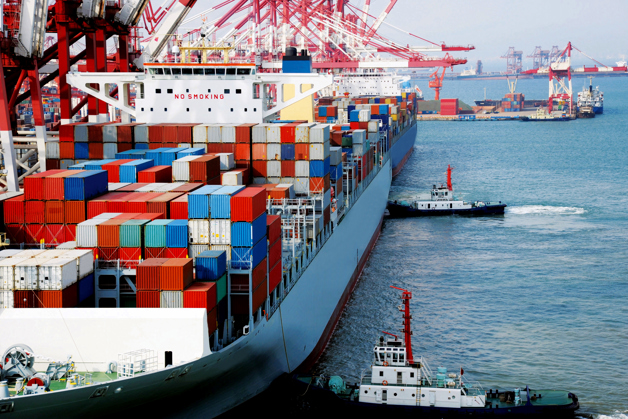
Up to 10 Billion tons of ballast water are moved around the world every year.
Download the complete article as PDF
Related products
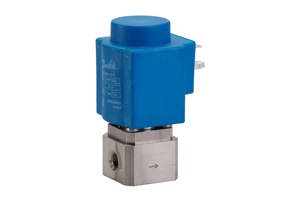
The compact 2/2-way solenoid valve EV212B with an isolating diaphragm design ensures no fluid can enter the armature area meaning the valve can be used for aggressive fluids.
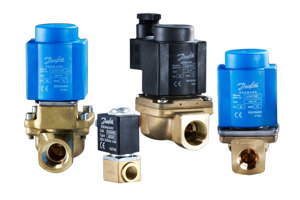
Solenoid valve for industrial applications for different media e.g. drinkable water, brine, steam, air or oil. Solenoid valves and coils are normally supplied separately and then assembled without tools, providing optimum flexibility and product availability.