
The growing energy efficiency of membrane-based processes adds impetus to this virtuous cycle: the less energy they use, the lower their financial costs and carbon footprint, and the more widespread these wastewater treatments will become.
The advantages of ZLD and MLD go right to the triple bottom line
The environmental benefits of ZLD and MLD are clear. By effectively treating effluents from production processes, a wide range of industries prevent or minimize the release of pollutants into natural ecosystems. At the same time, they recycle and reuse water—often in huge volumes—that would otherwise be wasted, thus reducing industry’s draw on increasingly scarce water resources. Moreover, the treatments’ recovery of solids diminishes the need for mineral extraction from mines and other processes which often have significant environmental consequences of their own. All these reasons motivate regulators to mandate ZLD and MLD despite their costs to industry.
However, even though ZLD and MLD are costly, they have financial upsides for businesses. Recovered minerals can be sold to offset the company’s wastewater treatment costs or, in many cases, reused to lower procurement costs. Furthermore, companies adopting these practices not only comply with growing regulatory pressure and avoid penalties but also enhance their market competitiveness and brand perception by demonstrating a commitment to the circular economy and the triple bottom line of people, profit, and planet.
Membrane-based pre-concentration reduces ZLD’s CAPEX, OPEX and CO2 footprint
First-generation ZLD plants depended solely on CAPEX-heavy thermal evaporators and crystallizers to separate solids from liquids. These need high-grade alloys to withstand corrosion and a lot of energy to maintain boiling points as concentrations of dissolved solids increases. Despite their effectiveness, in many cases their costs made ZLD prohibitive. Beginning in the 2000s, however, RO and NF became increasingly prevalent in ZLD and MLD. Engineers used these membrane processes to pre-concentrate the brine, a process with both direct and indirect benefits.
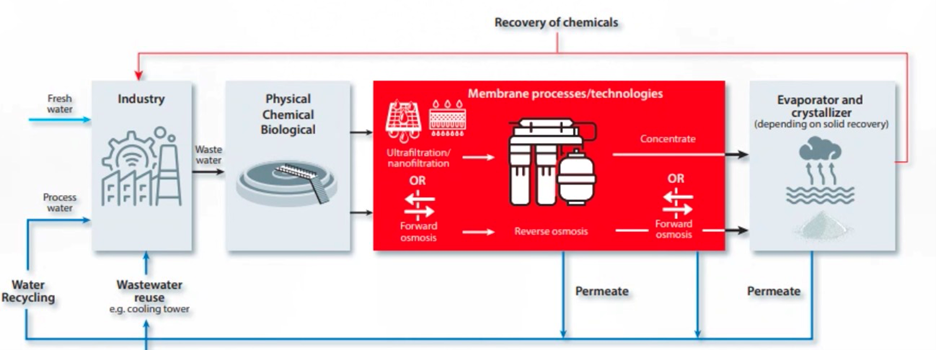
Figure 1: ZLD wastewater treatment with membrane-based pre-concentration
The direct benefits of pre-concentration are enough to motivate a strong business case on their own. Even after investing in membrane processes for brine pre-concentration, ZLD and MLD plants save CAPEX by reducing the size and complexity of thermal evaporators and crystallizers. Moreover, they save OPEX for the plant’s lifespan by reducing the energy spent on these processes.
The indirect benefits of membrane pre-concentration are not as immediately apparent, but they are increasingly important: lowering ZLD’s and MLD’s CO2 footprints. As global decarbonization efforts intensify, improving the energy efficiency of ZLD and MLD through membrane technology enables industries and companies to lower their Scope 2 emissions. Improving the energy efficiency of these membrane processes, typically RO and NF, further reduces these indirect greenhouse gas (GHG) emissions.
The future belongs to more energy-efficient membrane-based industrial water treatment
As we look ahead to the coming years, many indicators point to significant growth for the global ZLD and MLD markets:
- Increased water shortages due to climate change and aquifer depletion will drive calls for industry to reuse and recycle even more water.
- Global decarbonization demands will put the energy efficiency of energy-intensive industrial processes under greater scrutiny and drive adoption of technology that reduce GHG emissions.
- Demand for ZLD and MLD will grow due to stricter regulations on a growing range of industries to limit or eliminate the discharge of pollutants into the environment.
- As regulators increasingly apply “the polluter pays” principle, industrial wastewater treatment in general, and ZLD and MLD in particular, will become more decentralized and lead to more and smaller plants.
- In addition to the business cases for recovering salts, acids, and organic compounds, there will be even greater financial incentives to recover separated solids with volatile market prices. This includes metals such as zinc and copper, precious metals such as gold and silver, and nutrients such as phosphorous and nitrogen.
- The interplay of scientific research, public awareness, regulatory response, and corporate responsibility in managing emerging environmental health risks, such as per- and polyfluoroalkyl substances (PFAS), will result in even more membrane-based industrial water treatment.
As worldwide adoption of ZLD and MLD grows, so will the demand for making these more energy-efficient through membrane-based pre-concentration processes. Making RO and NF as energy-efficient as possible will save even more CAPEX and OPEX for industry—and CO2 emissions for us all.
For a rough estimate of how much energy could be saved if global RO treatment of industrial wastewater were as energy efficient as possible, see our recent article in Global Water Intelligence, The growing importance of energy-efficient RO in industrial wastewater recycling and reuse.
Explore our case stories
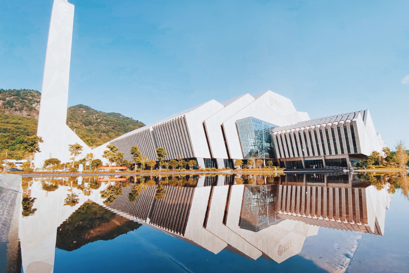
Compact and reliable APP pumps with long service intervals were first choice for a purification system in Chongqing.
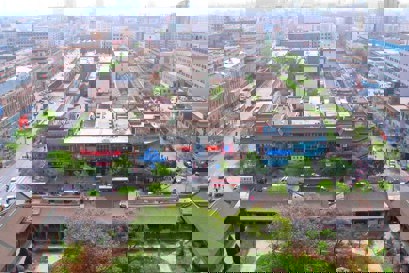
APP pumps retrofit a large coal liquification plant with wastewater treatment to ensure ZLD compliance quickly and reliably.
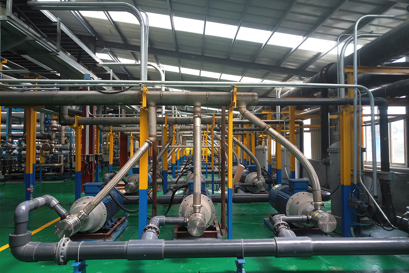
To reduce the significant energy costs that result from wastewater being transformed from liquid to solids, companies are turning to RO treatment – and Danfoss APP pumps are helping to keep energy costs at a minimum due to high efficiency.
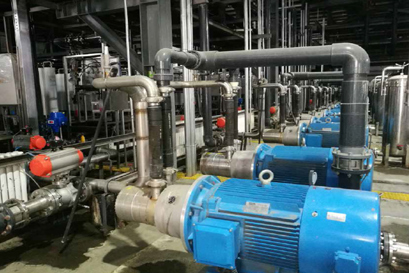
China's zero liquid discharge legislation (ZLD) is driving increased use of RO technology to treat industrial wastewater. Danfoss APP pumps are increasingly in demand to make such ZLD projects as energy-efficient - and profitable - as possible.
Follow us to stay up with the latest high news, updates, announcements, and resources from High Pressure Pumps. Of course, we want to hear from you too - so jump in and join the conversation.