
Abstract:
The demand for cooling is expected to grow significantly in the coming decades, driven by rising living standards and increasing global temperatures. To minimize the impact of cooling demand, it is vital to both adapt building standards and designs to reduce cooling requirements and ensure that any remaining cooling demand is met in the most efficient and sustainable manner possible.
In dense urban areas, one of the most promising cooling solutions is district cooling (DC). However, the design and area coverage of a district cooling system (DCS) is highly dependent on local conditions, leading to a wide range of potential opportunities and benefits for local communities.
Although the technical solutions for establishing DC are mature and have been proven over multiple decades, a shift in mindset is needed regarding cooling supply solutions, particularly in dense urban areas. To facilitate the growth of the DC sector and enable it to reach its full potential, focused regulation and long-term energy planning are essential. Clear regulations and policies will help reduce the perceived risks associated with DCS, making it easier for utilities to attract the necessary capital for establishing such systems.
The purpose of this document is to highlight the benefits of DC and present selected case studies that operate in vastly different climate conditions. The case studies are chosen to showcase how different local opportunities can create a strong business case for the technology, even in locations which at a first glance might not be considered particularly suitable for DC. These case studies may inspire decision makers to look for local opportunities – synergies with other sectors – that can strengthen the case for development of DCSs as sound business investment opportunities.
Meet the authors
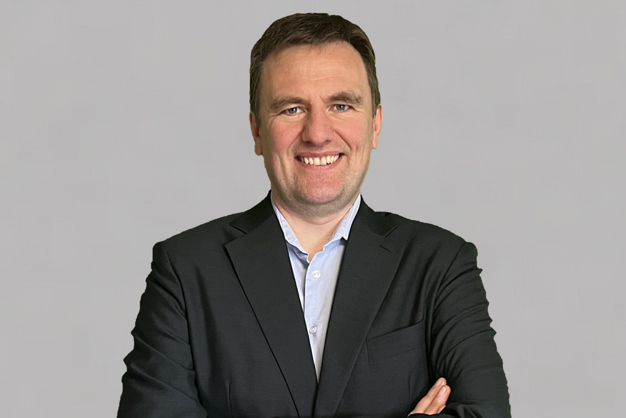
Oddgeir joined Danfoss in 2012 as a district energy expert at a global level. He has worked with a wide range of topics within the district energy sector, ranging from deep dives on components, to analyzing complex interactions and role of district energy systems in the perspective of the wider energy system, to hosting delegations seeking solutions for decarbonization and efficient utilization of energy sources. Oddgeir is actively engaged in international research projects and platforms aimed at sharing knowledge and positioning district energy systems. Additionally, he provides consultancy services to sector partners and institutions. Oddgeir holds a PhD. in Engineering from the University of Iceland.

Jan Eric joined Danfoss in 2000 and he has worked with dynamic simulation, laboratory tests, field tests, techno economic analysis, research and development. The focus is from component, subsystem to energy system level, related to Danfoss offerings within heating and cooling solutions. With the focus on conceptual development of district heating and cooling in the perspective of a smart and sector coupled energy system. A number of publications have been made, and lectures are given in relation to education and training activities. Jan Eric holds a Master degree in mechanical/energy engineering.
Other authors
- Federico Bava, Ramboll
- John Flørning, Ramboll
- Patrick Durup Thomsen, DEVCCO LinkedIn profile