
Benefits in HVAC units
Better power supply quality, system diagnostics, humidity control, energy savings, accurate temperature control, less noise, process safety, greater comfort.
Inverter compressor technology offers new opportunities for air conditioning systems, first of all in terms of energy efficient buildings, reduced energy consumption and lower running costs.
Additionally, the technology improves power factor leading to better power supply quality as well as better system diagnostics and open communication protocols which facilitate servicing.
Continuous adaptation to cooling demand provides higher energy savings and accurate temperature control.
The compressor matches power input with cooling capacity. The unit copes effectively with changes in temperature and runs at partial load which can represent over 30% reduction in the energy bill every year compared to a fixed speed or mechanically modulated compressor. The stable temperature control secures the processes in an optimum way and provides greater comfort. All in all, this means energy efficiency in buildings.
The capacity modulation attenuates power demand peaks which also contribute to increasing the grid reliability and quality of power supplied.
The soft start control leads to a near zero inrush current and improves EER:
- Direct-on-line (DOL) compressor start draws 5-6 times the nominal current until the compressor running speed is attained. Traditional fixed-speed compressor in a system can make 8-12 start/stop cycles and every start will draw high current from the supply, which leads to high power consumption and stress on supply, and on compressor mechanical parts.
- Most inverter scroll compressors are soft starting which avoid torque surges. It prevents high mechanical stress on the machine, and generates lower service costs and decreased wear. Low in-rush current also helps in saving fixed costs charged by utilities (peak current calculation) and reduces mains and power backup loads.
Additional benefits are of inverter compressors are:
- Better humidity control makes the unit suitable even for spa installations thanks to adjust the capacity of the unit and thus better control of the evaporating temperature.
- Less noise than with conventional on-off systems during partial load operation.
On top of the standard benefits for all inverter compressors and technology, Danfoss Commercial Compressors has prequalified inverter compressors and drives designed to work together.
This adds to the long list of benefits to manufacturers, consulting engineers and end-users in terms of:
- Reduced number of components in the system
- Higher reliability and continuous running
- Easier to implement technology
- Reduced applied costs
- Faster time to market.
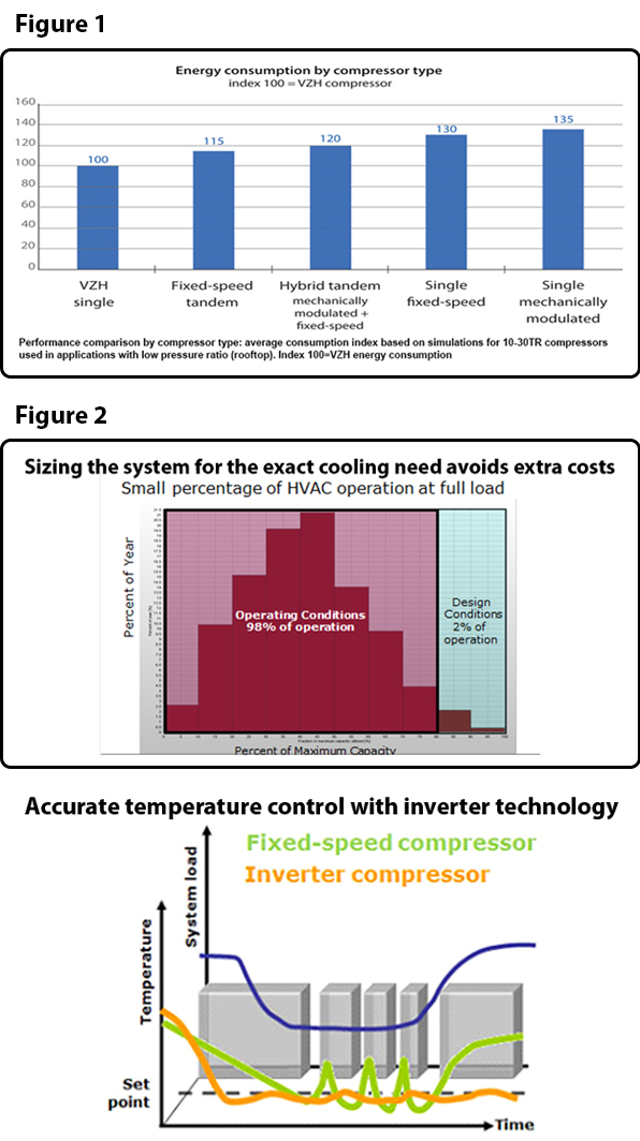
Figure 1
Energy consumption for cooling systems using different compressor configurations. Average consumption index based on simulations for 10-30TR compressors used in applications with low pressure ratio (rooftop); Index 100 = Danfoss inverter scroll VZH energy consumption.
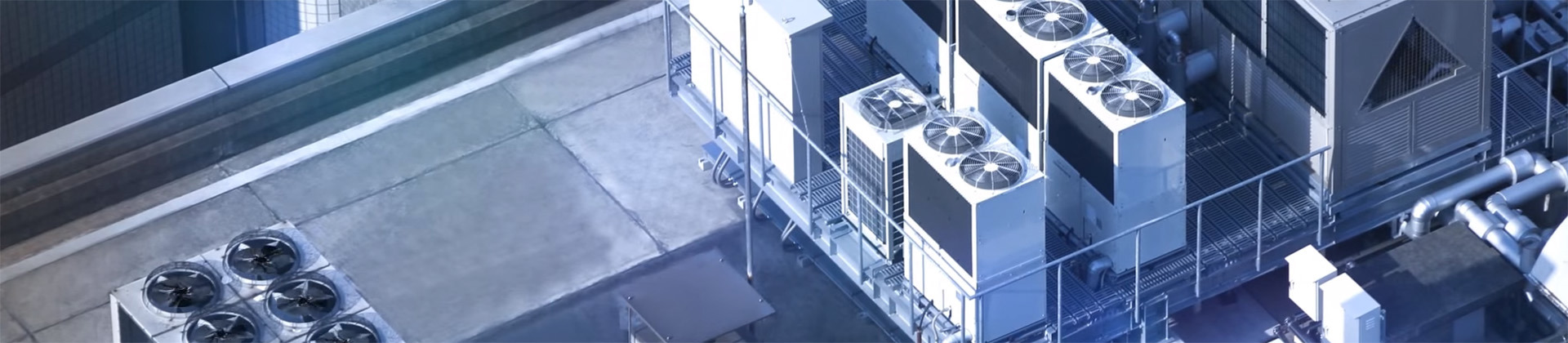
Figure 2
Typical load profile in a building.
Only a few percentages of operations are at full load in a building. HVAC systems are designed for peak conditions (right side of the graph). These conditions are not those conditions in which the equipment will operate most of the time. This graph represents typical annual climate data and hours of run time (% of year) for each condition.
Source: Danfoss HVAC tool
Danfoss variable speed technology
By using the Danfoss inverter compressor solutions, significant energy savings can be achieved compared to traditional on-off compressors or mechanically-modulated technologies.
Highlighted products
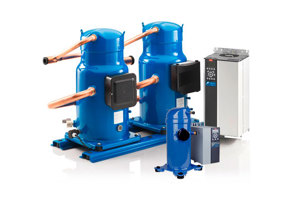
Danfoss inverter scroll compressor VZH offers effectiveness and reliability. Over 30% energy savings is possible in rooftops, chillers, close controls etc.
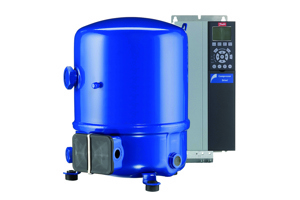
Danfoss reciprocating inverter compressors avoid oversized and short cycling systems. The compressor automatically adapts to the current load. By combining an efficient Danfoss Maneurop® reciprocating compressor with a Danfoss Drive, the company provides an innovative and intelligent package that utilizes variable-speed technology to ensure superior efficiency across the entire operating range for precision cooling.
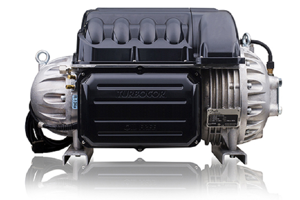
Danfoss Turbocor®model TTS oil free compressors are available in four different models ranging from 60 tons to 200 tons / 200 to 700 kW utilizing R134a or low GWP R513A.
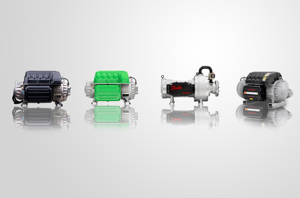
Danfoss is the leading manufacturer of oil-free compressors and is the pioneer of the Danfoss Turbocor® compressor - the world’s first oil-free magnetic bearing compressor for the HVAC industry.
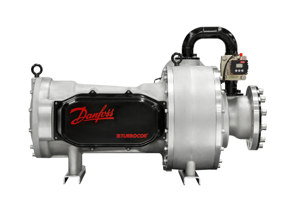
Danfoss Turbocor® model VTT oil free compressor is available with a capacity up to 400 tons / 1430 kW using R134a. This compressor is designed for water and evaporative cooled chiller applications.
Related applications
At Danfoss we have all the refrigeration solutions, experience and know-how to act as a competent and trustworthy partner for the global air drying industry.

Air handling units with integrated cooling are used in commercial applications for air conditioning in many different kinds of buildings, from small office buildings, fitness centers and medical institutions to skyscrapers.
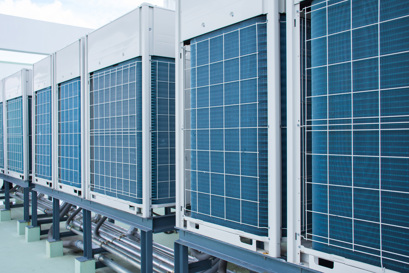
Energy consumption is a key driver for building owners when it comes to chillers. Depending on the building size, type, and use, as well as the surrounding climate, you need different options for your chiller designs to provide the most value to your customers and differentiate yourselves in the market.

Packaged unit for electronic cabinet cooling.Close control air conditioners are used in the cooling of electronics such as IT and electronic equipment used in data centres, in telecommunications and in manufacturing industries.

Core component of the HVAC system, a chiller cools the water or brine used to cool and dehumidify air in buildings or industrial processes. It's a factory-assembled unit that cools the water or brine using an evaporator, and has an internal or a remote condenser with appropriate controls.

Cooling of IT equipment in data centres is an increasing challenge for operators and design engineers. Power management is the major challenge, with energy consumption and heat loads increasing in step with the server density. Meeting these challenges is essential for ensuring the safety and availability of the data.
Learning
Case studies
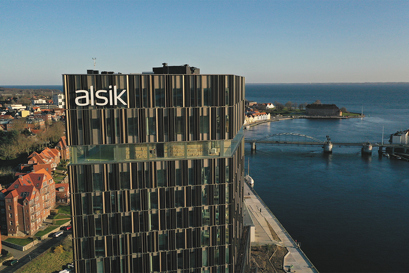
The new Alsik hotel in Southern Denmark sets a higher standard in energy-efficiency and is built to reach 76% CO₂-neutrality. A main contributor is the 900-kW chillers by Clint (a company of G.I. Industrial Holding) which features award-winning Danfoss Turbocor oil-free compressors.
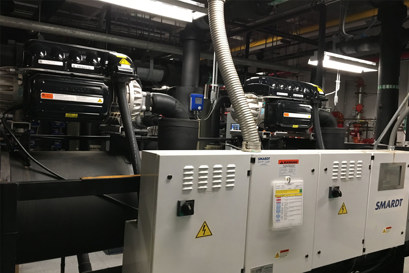
Danfoss conducted a study to see how long term operation affected performance on Danfoss Turbocor® compressors. The results showed that oil-free, magnetic bearing compressors maintained consistent performance even after 10+ years of operation.
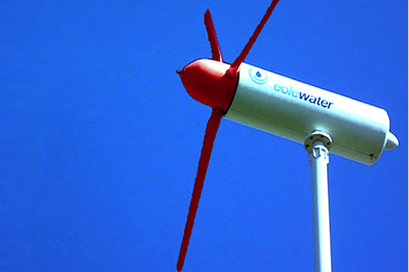
Wind turbine producing water cooled by an energy efficient refrigeration system featuring inverter scroll compressor
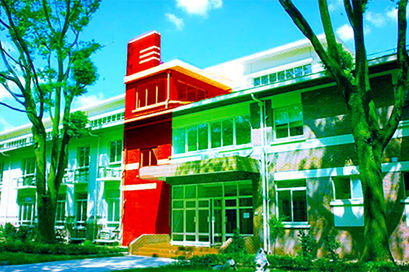
Renovation of Key Laboratory in Shanghai illustrates the benefits of temperature control and energy savings in critical applications with inverter technologies

The satellite launch tower is a vital facility. Reliable energy efficient inverter HVAC unit in this critical application was secured with Danfoss solution.
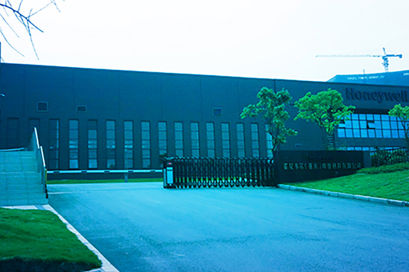
Variable speed with Danfoss Turbocor Oil free centrifugal compressor guarantees reliable process cooling and efficient comfort cooling in factory
News

Coolselector®2 is essential software for engineers, consultants, and system designers who work in the refrigeration and air conditioning industry. Using Coolselector®2, you can easily optimize energy consumption and increase efficiency in your HVACR system — simply run calculations based on your operating conditions and then choose the best component setup for your design.
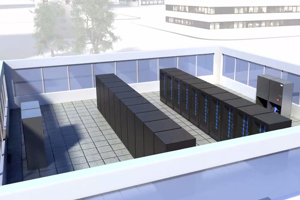
New efficiency opportunities for Chiller/Rooftop units and Computer Room Air-Conditioners
Danfoss has added new 8.5 TR and 11 TR (*) variable speed compressors with IDV(**) to its popular VZH range, giving commercial cooling manufacturers the market’s most complete choice of variable speed scrolls with qualified drives for HVAC systems.

How does reduction of methane production in beef cattle and the transformation of biogas into clean fuel for heavy vehicles link to efficient buildings enabled by Danfoss? They are all endorsed by the World Alliance for Efficient Solutions.