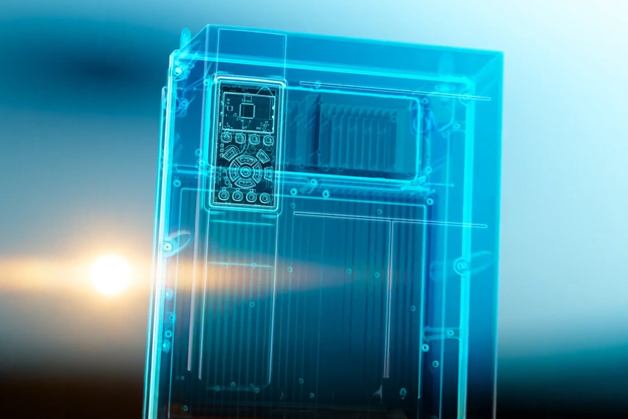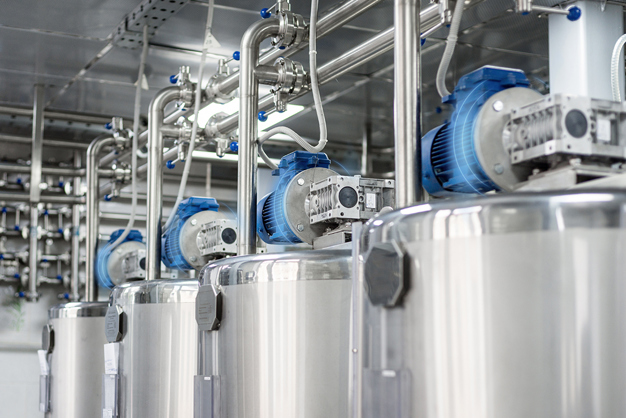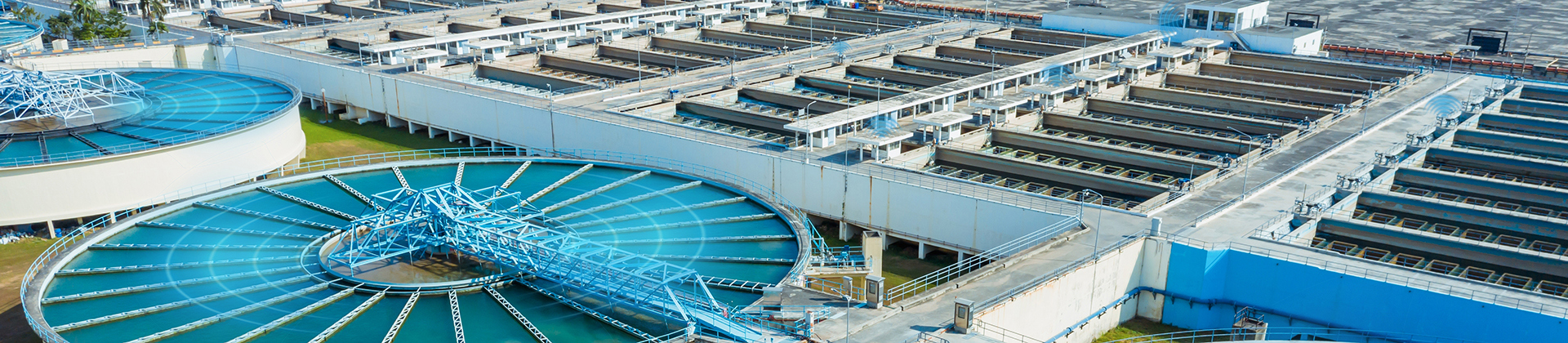
With the ability to act as sensors and sensor hubs, to process, store and analyze data, along with connectivity capabilities, drives are vital elements in modern automation systems and building management systems (BMS). Integrated condition-based monitoring functionality enables new ways of performing maintenance, such as condition-based maintenance.
Play video
In the transition to the current millennium, we have witnessed a profound change in technology, which has led to a whole new way of working in a digital world. This is the fourth industrial revolution. The first industrial revolution, which occurred during the 18th and 19th century, was a mechanical revolution, triggered by the invention of the steam engine. By the end of the 19th and early 20th century, the second industrial revolution unfolded with the adoption of mass production, electrification, and changes in communication. This period is also referred to as the Electrical Revolution. Later in the 20th century, the third industrial revolution brought advances in semiconductors, computing, automation and the internet. This phase is also known as the Digital Revolution.
The fourth industrial revolution has emerged as a result of networking computers, people, and devices fueled by data and machine learning. Although the term “Industry 4.0” is quite vague, a possible definition for Industry 4.0 describes the intelligent networking of people, devices, and systems by utilizing all possibilities of digitalization across the entire value chain.
The impact of Industry 4.0 on motor systems and building management systems is a migration from the “automation pyramid” to “networked systems”. This means that the various elements of the system, such as motors, drives, sensors and controls, are interconnected and connected to a cloud - a data center where data is stored, processed, analyzed, and decisions are made.
In an automation network, the amount of data is prominent. As data is mainly produced by sensors, the number of sensors in modern automation systems is increasing. Motors and driven machines such as fans, pumps and conveyors are not the most obvious participants in a data network. Sensors are therefore required to collect data from these machines. The sensors are connected to the data network using various means to utilize the data. During the introduction of an advanced condition monitoring system, the additional cost of sensors and connectivity is often seen as a barrier.
Modern variable speed drives open new opportunities in the Industry 4.0 automation network and in building management systems. Traditionally, drives have been considered power processors for controlling the motor, fan, conveyor and/or pump speed. Today, drives are also part of the information chain, using the advantage of built-in processing power, storage capacity, and communication interface, within the drive.
We look forward to welcoming you to the seminar on February 11, 2025.
Register here
In the Industry 4.0 network, the drive plays an important role and is characterized by some enabling features:
Information from the drive can be identified as follows:
Motor current signature analysis techniques enable the drive to monitor the condition of the motor and application. The technique allows to potentially eliminate physical sensors or extract early fault signatures which might not have been possible to detect. For example, using the technique makes it possible to detect cavitation and winding faults in advance or mechanical load eccentricity.
The concept of the drive as a sensor hub entails connecting external sensors to the drive, thus saving the need for a gateway to connect the physical sensor to the data network. Vibration sensors, pressure sensors, and temperature sensors are examples of sensors which can be connected to the drive. The advantage of the concept is not only related to cost, but also enabling the correlation of sensor data with different types of data present in the drive. An obvious example is the correlation of vibration level from an external sensor with the motor speed, as vibration is speed dependent.
The following are different kinds of maintenance strategies:
Corrective and preventive maintenance are fault (event) or time-based. Therefore, maintenance is performed in case of fault(s) (corrective) or after pre-established operation hours (preventive). These types of maintenance do not use any feedback from the actual application.
With the introduction of Industry 4.0 and the availability of sensor data, condition-based and predictive maintenance is now possible. Such maintenance strategies use actual sensor data to determine the condition of the equipment in service (condition-based maintenance) or to predict future failures (predictive maintenance).
Condition-based maintenance is the easiest and most intuitive maintenance technique based on data from the actual application. The data acquired is used to monitor the health of the equipment in service. For this purpose, key parameters are selected as indicators to identify developing faults. The condition of a piece of equipment typically degrades overtime. This is illustrated by the P-f curve which shows a typical degradation pattern. Functional failure occurs when the equipment fails to perform the intended function. The idea of condition-based maintenance is to detect the potential failure before an actual failure occurs.
An integral part of condition-based maintenance involves monitoring the condition of the equipment. In variable speed applications, the condition of the application often depends on speed. For example, vibration levels tend to get higher at higher speeds, although this relationship is not linear. Indeed, resonances can occur at certain speeds and then disappear when the speed is increased.
Using an independent system to monitor the condition of a variable speed application is complicated by the need for knowing the speed and the correlating monitored value with speed. Using drives for condition monitoring (“drive as a sensor” or “drive as a sensor hub”) is an advantageous solution, as the information about application speed is already present in the drive. Additionally, information about the load/motor torque and acceleration is readily available in the drive.
For an efficient condition monitoring system, the first important step is to determine and define the normal operating conditions. Establishing a baseline means to define the normal operating condition for the application, which is called baseline. There are several ways of determining the baseline values.
Manual baseline: When the baseline values are defined using prior experience, the known values are programmed into the drive.
Baseline run: The baseline can be determined during commissioning. Using this method, a speed sweep is performed through the relevant speed range determining the condition in each speed point. However, in certain scenarios during commissioning, it is possible that the application does not run at full capacity or a wear-in period is needed. In these situations, the baseline run must be performed after the wear-in period to capture an operating state which is as close to normal operations as possible.
Online baseline: This is an advanced method which captures baseline data during normal operation. This is useful in situations when a baseline run can not be performed, because the application does not allow exploring the entire speed range.
After establishing the baseline, the next step is to generate thresholds for warnings and alarms. The thresholds indicate the condition of the application during which the user must be notified. There are various ways to indicate the condition of the equipment and one of the most popular in the industry is a traffic light status with four colors which is described in the VDMA specification 24582 Fieldbus neutral reference for condition monitoring in factory automation.
The colors signify the following:
The following methods are used to define threshold values:
Actual monitored values can be read from the drive via the LCP, fieldbus communication, or IoT communication. Moreover, digital outputs can be configured to react to specific warnings and alarms. Some drives have a built-in web server which can also be used for reading the condition status.
Monitoring is performed with continuous comparison to the thresholds. During normal operation, the actual values are compared with the threshold value. When the monitored parameters exceed a threshold for a pre-defined time, a warning or alarm is activated. The timer is configured to act as a filter, so that short transients do not trigger warnings and alarms.
Today, drives are more than simple power processors. With the ability to act as sensors and sensor hubs, to process, store and analyze data, along with connectivity capabilities, drives are vital elements in modern automation systems.
Drives are often already present in automation installations and therefore present a great opportunity to upgrade to Industry 4.0.
This enables new ways of performing maintenance, such as condition-based maintenance. The functions are already available in some drives and early adopters have already started using the drive as a sensor.
Monitoring motor performance using condition-based monitoring provides a simple and cost-effective way to obtain machine data for smart maintenance decisions.

Predictive maintenance has emerged as a powerful tool to optimize equipment performance, increase uptime, and reduce maintenance costs.

Remote monitoring empowers users to access real-time data, react early to avoid interruptions, optimize performance, and make informed decisions.
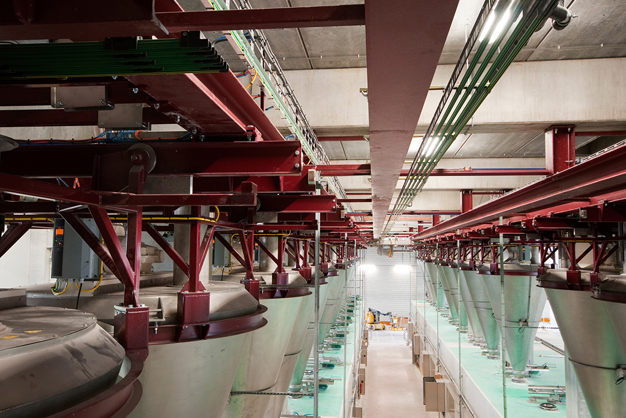
Along with stator winding monitoring and load envelope, the CBM functionality integrated into Danfoss drives includes vibration monitoring.
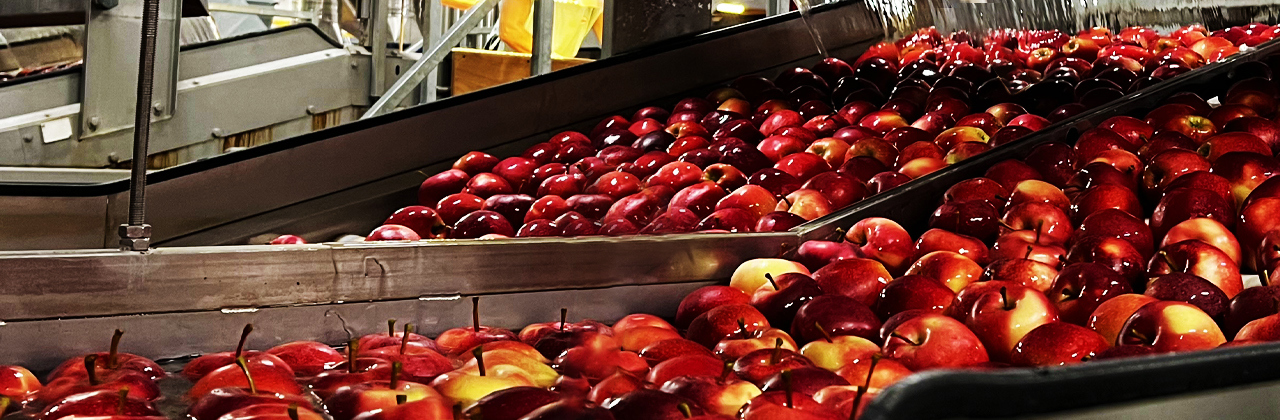
ITALY: At Rivoira Group, VLT® drives with built-in condition-based monitoring help preserve fruit perfectly by ensuring utterly reliable refrigeration.
Read the case study
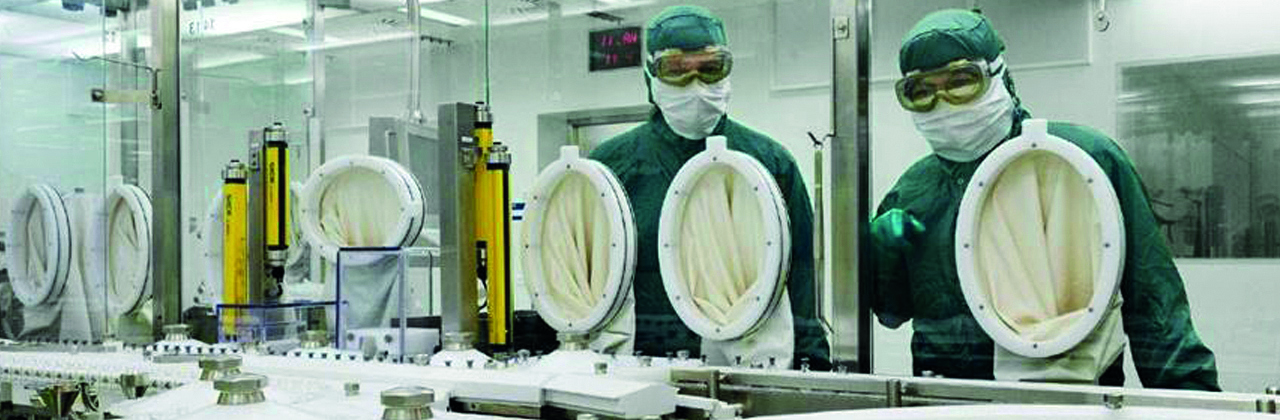
DENMARK: A leading global pharmaceutical company was determined to find an intelligent HVAC solution to prevent downtime with real-time system monitoring and customizable instant alarms. Plus, the solution needed to fit within the organization’s ambitious digitalization strategy. The solution: Danfoss VLT® HVAC Drive FC 102 with integrated condition-based monitoring.
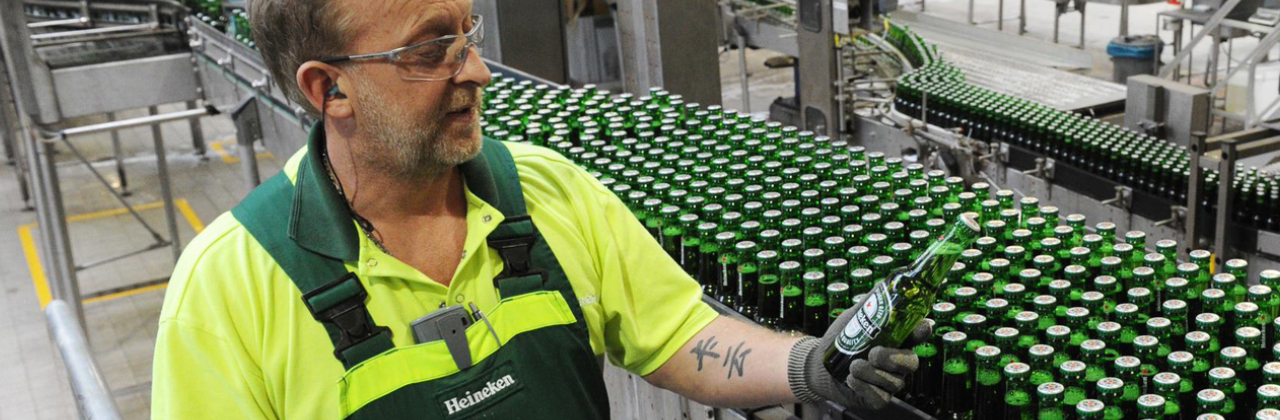
NETHERLANDS: HEINEKEN understands that to meet demand, its production line must always be up to the task – with all assets expected to deliver a consistently reliable and excellent performance. At Den Bosch brewery, the tough working environment posed several challenges. The solution was an upgrade using drives with integrated condition-based monitoring.
FC 103 is dedicated to controlling compressors, pumps and fans for significant energy savings in refrigeration plants.
The VLT® AutomationDrive FC 301 / FC 302 is designed for variable speed control of all asynchronous motors and permanent magnet motors. It comes in a standard version (FC 301) and an advanced high dynamic version (FC 302) with additional functionalities.
This tough and savvy FC102 drive enhances pump and fan applications in building management systems, and runs outdoors in most climates.
VLT® AQUA Drive FC 202 controls all types of pumps and comes equipped with a cascade controller.
Enables system integrators, machine builders and OEMs to design and build efficient industrial drives systems. Active Front-end (NXA), Non-regenerative Front-end (NXN), Brake Chopper (NXB) and Inverter (NXI) configurations are available.
Brings the benefits of liquid-cooling into common DC bus systems in demanding situations. Active Front-end (NXA), Non-regenerative Front-end (NXN), Brake Chopper (NXB) and Inverter (NXI) configurations are available.
VACON® NXP DCGuard™ delivers reliable short-circuit protection of DC grids for full selectivity between DC grids, and ensures fast disconnection in the event of a fault.
Maximizes the energy yield in hybrid solutions and helps improve performance by bringing energy support close to the consumption.
Well-suited to applications where air quality is critical, space is limited and efficient heat transfer is required. Active Front-end (NXA), Non-regenerative Front-end (NXN), Brake Chopper (NXB) and Inverter (NXI) configurations are available.
CBM has emerged from a history of Danfoss firsts in innovation. Danfoss drives differentiate from others in the market with intelligent functions embedded in the drive, to reduce the external components required.