

Let's unlock the grid
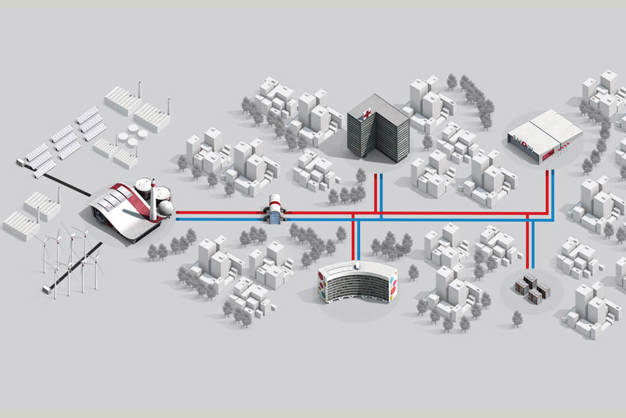
As the complexity of district energy continues to increase, demands for a stable and efficient grid have never been higher. This makes digitalization the fundamental lever for new generations of district energy and for an optimized grid—from production to distribution and consumption.
Danfoss boasts the industry’s only complete portfolio of proven end-to-end solutions—from innovative technology and components to optimization tools and services. Combined with our extensive hardware domain knowledge and years of experience, we can help today’s utilities not only optimize their supply of district heating but also impact decarbonization and energy consumption in cities.
It’s time to unlock the grid’s full potential. For ultimate cost-effectiveness, energy efficiency, and resilience on the path to a greener future.

Turn waste heat into clean heat with District Energy
Unlock the potential of waste heat with Danfoss. Waste heat recovery is essential for achieving decarbonization goals, transforming underutilized heat sources into valuable energy assets.
Discover innovative solutions that enhance energy efficiency, reduce emissions, and offer significant cost savings. Explore case studies and learn how integrating waste heat into district energy networks can reshape the energy landscape for a sustainable future.


Heating Microgrid powered by Danfoss
District heating microgrids paves the way for a more efficient future. Whether in cities or rural areas, they enable communities to efficiently harness and utilize renewable heating sources, providing a reliable and resilient heating solution.
Learn more about heating microgrids
Articles
Unlock in-depth knowledge and inspiration

Explore how EU policies and advanced technology drive waste heat recovery. This white paper covers legislative frameworks, innovative tools, and real-world success stories for sustainable energy solutions.
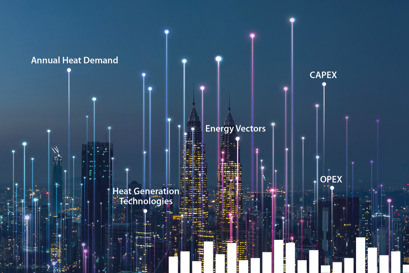
District energy systems for heating and cooling, aim to achieve both cost-effective and stable operation. This article emphasizes the significance of selecting the right mix of heat generation technologies considering both investment and operating costs. By using multiple heat sources, district energy utilities can substantially lower thermal generation costs compared to relying on a single source. Find out how in this article by Oddgeir Gudmundsson and Jan Eric Thorsen, Directors at Danfoss Climate Solutions.

District energy offers a fast track to decarbonizing heating and cooling in the building sector. Find out how in this article by Oddgeir Gudmundsson, Director at Danfoss Climate Solutions.
Did you know that the EU generates enough waste heat to cover its total energy demand for heat and hot water in residential and service sector buildings? In this article, Saška Rihtaršič, Vice President of Danfoss District Energy, explains how we can use district heating and hydronic balancing to tap into this underutilized heat source.

As urbanization increases, what is the most resilient, energy efficient, and climate-friendly heat supply systems? Oddgeir Gudmundsson, Director at Danfoss Climate Solutions, compares the future-proof potential of district heating and hydrogen.

Jonas Loholm Hamann, Head of business development at Danfoss District Energy, explains smart control solutions can turn the complexity of heating networks into an advantage supporting greater resilience and flexibility.
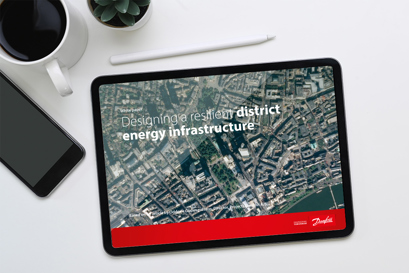
With soaring energy prices, uncertain imports, and the increasing challenge of diversifying heating and cooling sources—the time to design, build, and expand district energy for resilience is now. District energy has the potential to help cities harness local, renewable energy sources to meet demands for resilience, reliability, and energy efficiency.

The integration of low-temperature district heating (DH) with geothermal energy, known as 4th generation DH, improves energy efficiency by lowering DH network temperatures. This reduces heat loss, enhances geothermal viability, and supports sustainability, as demonstrated in Thisted, Denmark, where DH innovations cut distribution losses by 20% and increased geothermal output by 10%.
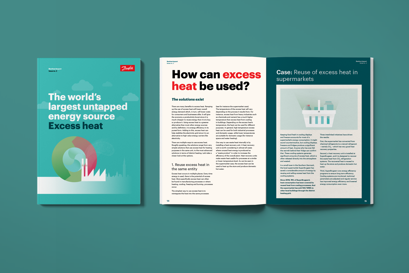
According to new data, excess heat in the EU alone amounts to 2,860 TWh/y, corresponding almost to the EU’s total energy demand for heat and hot water in residential and service sector buildings.

Heating and cooling account for half of the total final energy use in the world and the majority of global greenhouse gas emissions are related to the production and consumption of energy. The aim of this paper is to summarize the main avenues towards decarbonization with a view to supporting the EU’s and global energy and climate goals.
Unlock the value of waste heat and optimize energy use with sector coupling. Discover how combining heating and cooling systems can cut costs, reduce emissions, and support your sustainability goals.
Want to know more


Decarbonization with integrated cooling and heating energy systems and heat recovery
Join Drew Turner as he breaks down the art of merging diverse energy sectors to boost efficiency and drive decarbonization efforts. Learn about the innovative, yet practical ways to harness this strategy, like repurposing excess heat from cooling systems for heating needs elsewhere. You’ll also discover the potential of integrating renewable energy sources into the power grid, while addressing the challenge of supply-demand equilibrium.
The right district heating substation makes all the difference in efficiency, comfort, and reliability. Discover how choosing the right solution can reduce costs and optimize performance.
Download now

Trends driving district energy
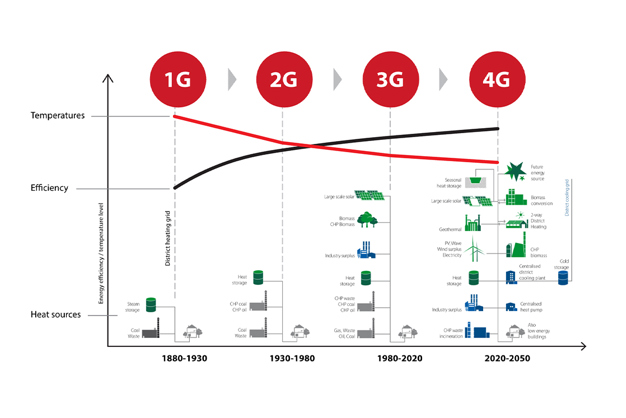
The shift in the district energy sector from single source to multi-source, from fossil fuels to renewables and surplus energy, and from high temperature to low temperature district heating, brings with it several key challenges.
Danfoss end-to-end district energy solutions deliver actionable insights enabling continuous optimization and optimal temperature control on both demand and supply side.
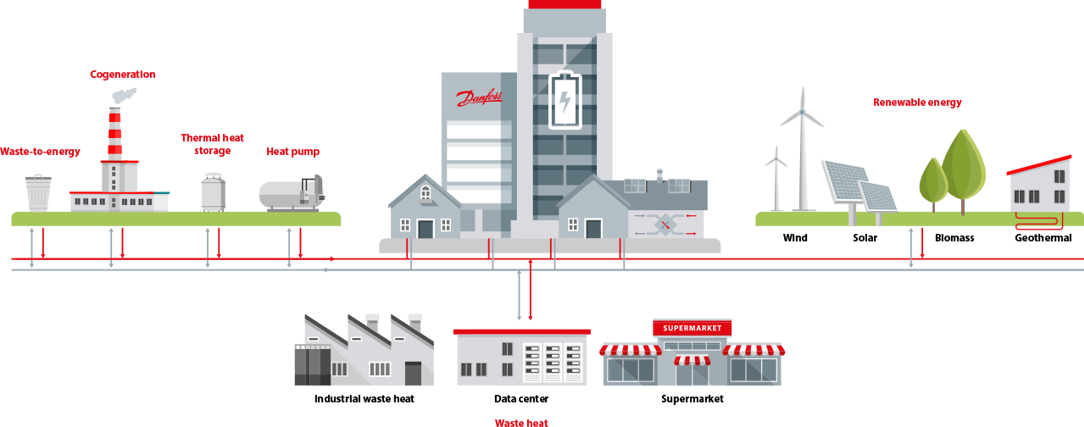

Sector coupling: smart energy videocasts
Introducing the smart side of the energy system using sector coupling to connect the different energy sectors. This setup can support decarbonizing the energy supply and fight against climate change.
We also encourage you to watch our case specific videos from Copenhagen and Sonderborg on how small- and large-scale district heating systems play an integral part of sector coupling.
Go to videos
District energy networks can make a huge impact on the road to decarbonization. Find out why – and how the Danfoss HQ walks the talk – in this podcast with Jonas Loholm Hamann, Head of Business Development for Danfoss District Energy.
Listen now


Let’s unlock the potential of district heating
Can existing supply chains handle increased pressure? Is there a way to develop networks effectively while delivering safety and comfort for the end user? Moreover, how can we maximize the use of renewable resources to deliver reliable and safe heating? If you are wondering what district energy means for your network operation or planned renovation, listen to the recording from our live stream.
Learn more
End-to-end optimization
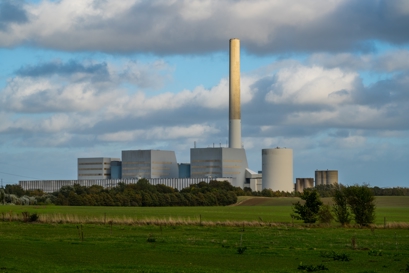
Ensure reliable, optimized, and efficient heat production with Danfoss controls, software, heat exchangers, and valves.

Save energy, time, and money in district energy networks with Danfoss know-how and advanced substations, heat exchangers, software, and control components.

Peak shaving, reliable stations, and full transparency with Danfoss’ portfolio of software, stations, and controls.
Addressing main challenges in district energy
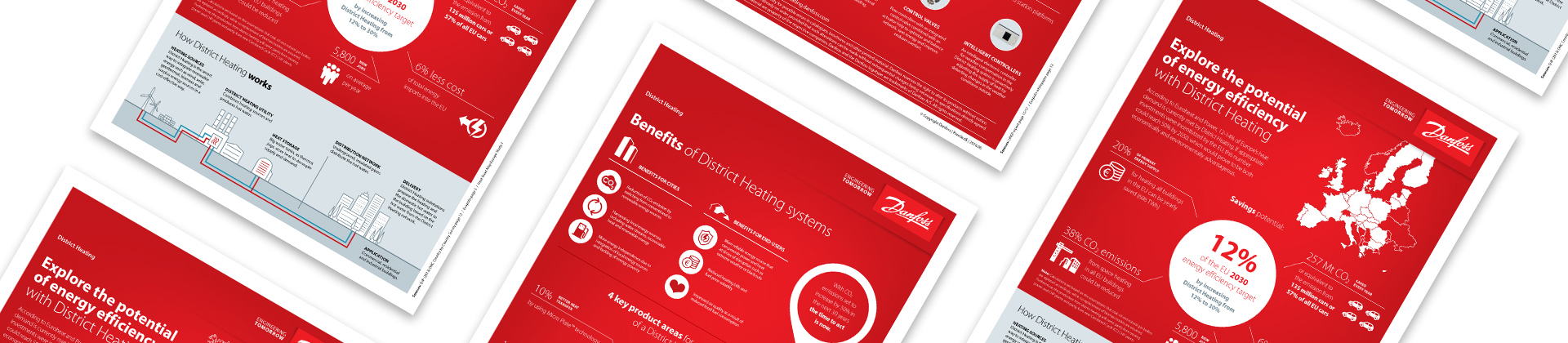
Uncover the potential of district heating
Increasing the share of Europe’s heat demand covered by district heating will boost both savings and energy efficiency. Check out our infographic to explore the potential in district heating systems.
View infographic
More resources about district heating
Tools and apps

Heat Selector
Danfoss Heat Selector is the best-in-class online selection tool that optimizes the planning process for heating application experts.
Open Heat Selector
Case studies

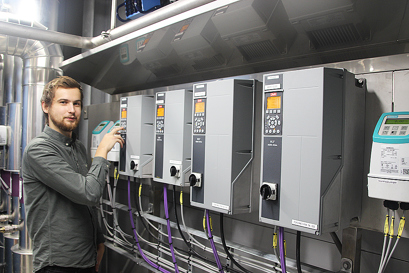
POLAND: At district heating company PEC Gliwice, AC drives reduce energy consumption of electric motors by up to 40%. DrivePro® Site Assessment audits help ensure optimal efficiency.
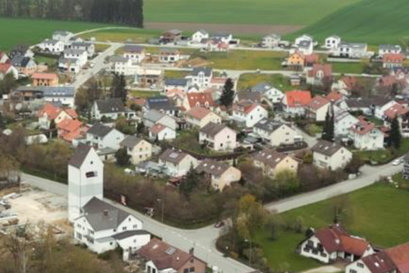
In the Wittelsbacher Land near Augsburg the local network in Eurasburg supplies heat to 80 buildings using a wood chip heating system. Danfoss’ substations ensure efficient heating in all building types, and its modern SCADA solution enables remote system monitoring and management.
DENMARK: The FlexHeat district heating plant at Copenhagen’s Nordhavn harbor emits 315 fewer tonnes per annum of CO2 than the LPG gas-based alternative.
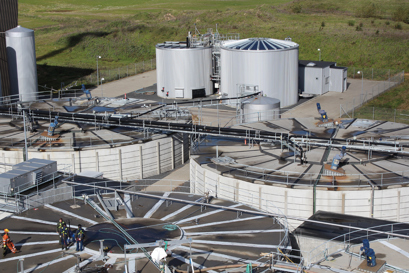
By generating power and heat from biogas instead of fossil fuels, MEC-BioGas reduces its CO2 footprint by 50000 tpa. Danfoss VLT® drives ensure optimal uptime in the 24/7 operations.
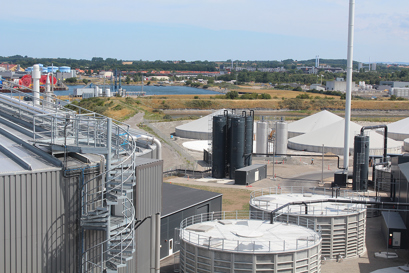
AC drives from Danfoss help convert biomass from insulin and enzyme production to energy.
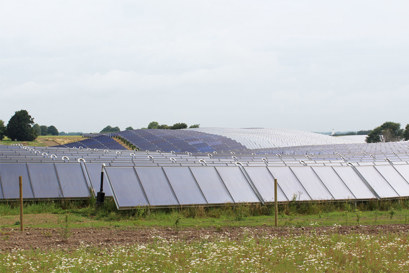
The world’s largest solar heating plant in Silkeborg, Denmark harnesses energy to heat the homes and workplaces of 40,000 citizens. It supplies 18-20% of the annual heat consumption in the city of Silkeborg, Denmark, which has an ambitious target of CO2 neutrality in heat production by the year 2030.
Related products
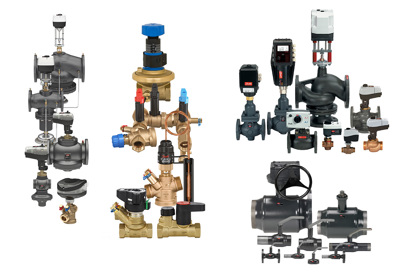
Take control of water flows in HVAC and District energy systems with our hydronic balancing and control valves, motorized control valves, shut-off valves and butterfly valves.

Keep accurate track of energy consumption in any heating or cooling system for transparent cost allocation with our range of energy meters and automatic meter reading solutions.

Optimize the heat transfer in HVAC, District energy and freshwater systems with our brazed, gasketed and welded heat exchangers or freshwater distillers.
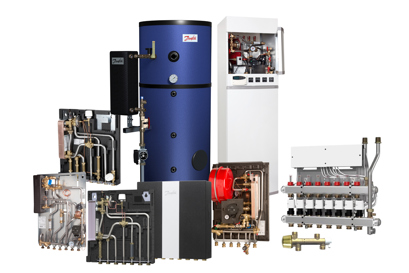
Safely produce, store and distribute hot water in direct and indirect heating systems with our substations, flat stations and charging systems
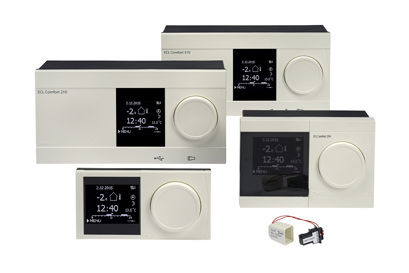
Run your District energy system the intelligent way with our electronic Comfort controllers and matching application keys and add an optional monitoring solution to remotely streamline service, maintenance and commissioning.
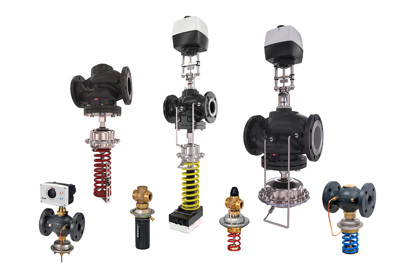
Optimize efficiency by reducing heat losses in district energy, heating or cooling systems by establishing a dynamic hydronic balance with our differential pressure and flow controllers.

Danfoss Leanheat® Software Suite & Services is an application-driven suite of the end-to-end software and services that harnesses the power of digitalization to optimize energy production and consumption, increase operational efficiencies, and put building control and maintenance in your hands.