
District heating for old and new buildings
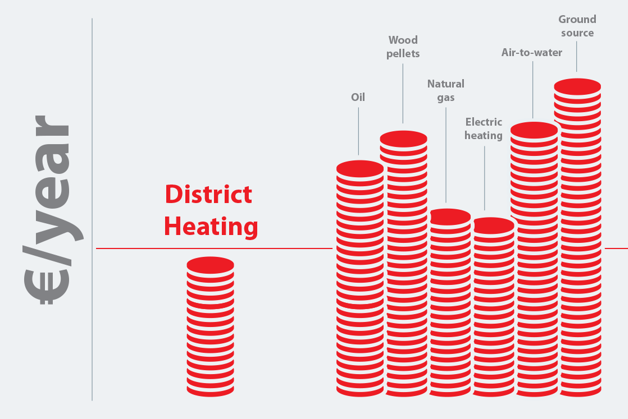
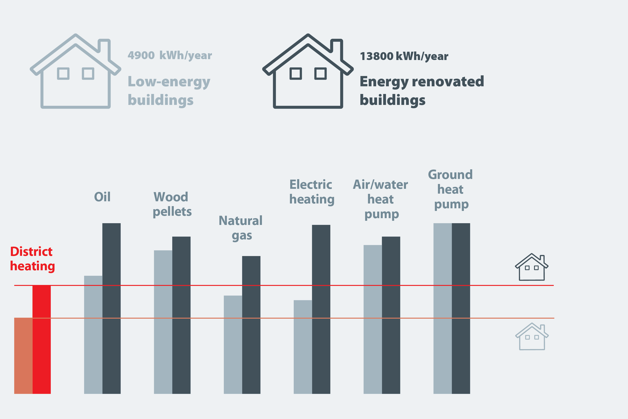
A new study by Danish think tank »Groen Energi« confirms that district heating is a cost-effective heating solution even with more and more buildings being built according to low-energy requirements. A new district heating system is highly competitive with respect to heating price when compared to individual heating solutions when the district heating system is established in cities and towns. This is the case for both older buildings and for new areas with low-energy buildings.

District energy supports the transition to a more sustainable energy system by integrating renewable and excess heat sources that are locally available. Thus, it reduces the environmental impact of heating compared to individual solutions like oil and gas boilers.

When compared to individual solutions, newly established district heating systems are highly competitive when the system is established in cities and towns. This is valid for both the state of buildings today and for new areas with low-energy buildings. The high competitiveness of district heating is due to a range of benefits, such as: it provides higher fuel efficiency, high comfort level, utilizes surplus hear, introduces new technologies, …

District heating is the most affordable heating solution for consumers in cities and towns, no matter if they live in older buildings or new low-energy houses. At the same time, it provides a secure heat supply and maximum comfort.
Hear from our expert what a future with low-energy buildings means for district heating.
Play Video
Danfoss case studies
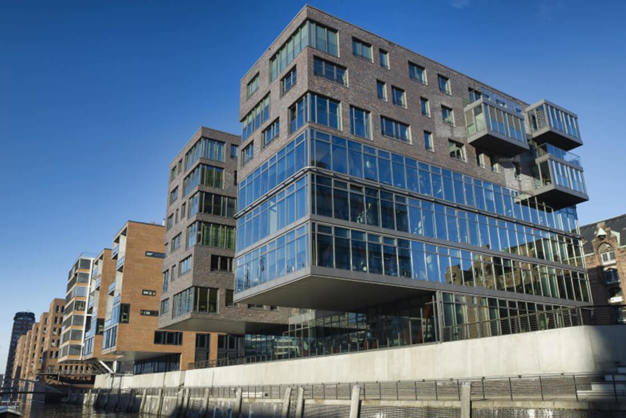
The district heating supply in HafenCity is a cost-effective and sustainable solution. Hamburg’s prestigious project is a model
for successful city development and not just for architectural reasons. The energy concept also sets standards for heating in cities.

Scandinavia’s biggest urban development project is rising in Copenhagen. It’s a lab for future smart energy technologies and an opportunity for Danfoss to demonstrate the art of intelligent and climate-friendly heating and cooling.
Related insights, application, solutions