

Smart drive with integrated condition monitoring for water and wastewater systems
Danfoss drives have evolved beyond simply turning shafts. Our latest generation integrates advanced sensor technology and onboard computing power, transforming the drive into an intelligent device for the wastewater and water community. This intelligence empowers operators to proactively reduce breakdowns, minimize downtime, and achieve new levels of cybersecurity and efficiency in water and wastewater systems.
Proactive and preventive: Condition monitoring in water and wastewater applications
In water and wastewater systems, implementing a condition monitoring system brings numerous benefits by preventing problems before they occur, resulting in less money spent, fewer breakdowns, cybersecurity, and optimized overall performance.

Utilize data to optimize water operations in the community
The use of data, including machine learning, provides a range of benefits along with improving network performance. It ensures real-time supervision, predictive maintenance, and optimization of systems - all helping to monitor and reduce risk in water and wastewater facilities.
Use of edge-based supervision enables cloud-free cybersecurity on site, without compromising on data. This smart, digital technology embedded in the drive offers real-time supervision of pumps and motors, with good cybersecurity for cyber resilience. This functionality enables proactive measures to prevent failures, provide real-time alerts, and deliver performance improvement insights. It’s good to know that risk reduction by eliminating cloud exposure to cyber incidents is possible, while still maintaining data-based preventive maintenance for efficient, safe water and wastewater management.
Condition monitoring enables efficient system operation by leveraging cloud-free artificial intelligence to make sense of real-time data. Smart drives not only regulate motors, but also act as sensors and intelligent controllers, providing real-time insights and analytics to help optimize overall water line performance and reduce maintenance needs in management systems for both wastewater treatment and drinking water supply. When cybersecurity is a priority, you can operate cloud-free.
Condition monitoring allows for proactive maintenance measures, which prevent problems - including cybersecurity problems - occurring, rather than solving them reactively, after the event. This proactive approach helps to save costs and losses for a range of critical maintenance challenges in water and wastewater treatment systems: reducing water loss, extending asset lifetime, and meeting cybersecurity and budget constraints.
By using a condition monitoring system, drinking water and wastewater utilities can spend less money, have fewer breakdowns, and improve overall performance including cybersecurity. The implementation of condition monitoring reduces the number of incidents that may result in costly machine downtime and the need to replace or repair equipment.

Experience the benefits of condition monitoring, including risk reduction, cost savings, efficient system operation, real-time supervision, and improved cybersecurity. Monitor and operate your drinking water and wastewater systems much more efficiently with machine learning, without compromising on cybersecurity. Leveraging the latest technologies provides many benefits, from predicting performance issues to optimizing overall operation.
The smart drive can detect problems way before they are visible to the human eye or ear and give the operator an early warning. That way, we can prevent problems with flooding and breakdowns in water and wastewater management from happening, rather than solving them when they do.
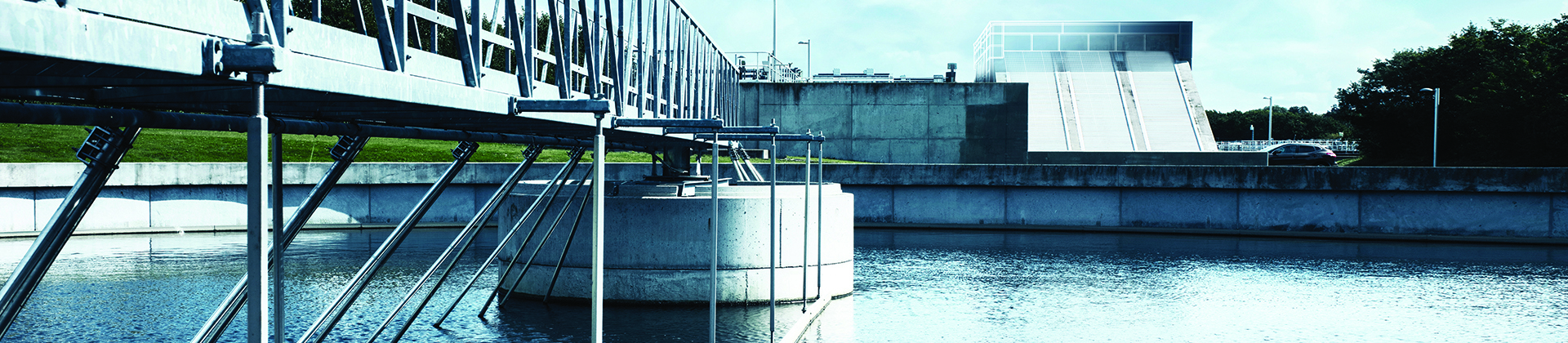
Condition monitoring for more reliability, fewer blockages, and leak detection
The VSD establishes a baseline for power consumption and vibration based on the pump speed over a defined period of operation. Once the baseline is set, the VSD can identify anomalies with reporting in real-time.
In addition to monitoring power consumption patterns, the VSD also monitors motor windings. This comprehensive condition monitoring feature helps optimize water systems, leading to leak reduction, cost savings, and reduced water and energy consumption.
Digitization reduces energy and maps water usage patterns
As well as condition monitoring and reporting, the VSD offers other digital functions that enhance operational efficiency, reduce water usage, and reduce greenhouse gas emissions. For instance, this device includes a standard integrated deragging function that prevents pump clogging.
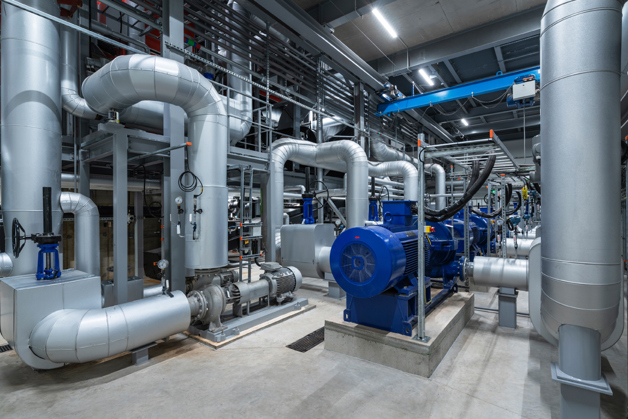
A digital strategy for wastewater and drinking water usage
A digital strategy for decarbonization has shown promising results in the wastewater industry, driving ambitions to reduce CO2/GHG emissions. Control with intelligent VSD technology is a critical element.
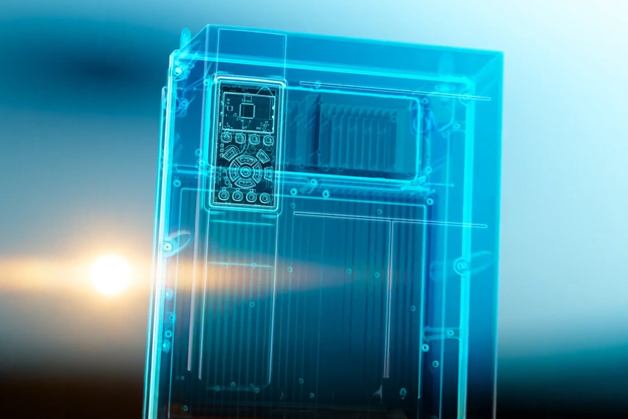
Highlighted products
Maximum energy efficiency for water and wastewater applications
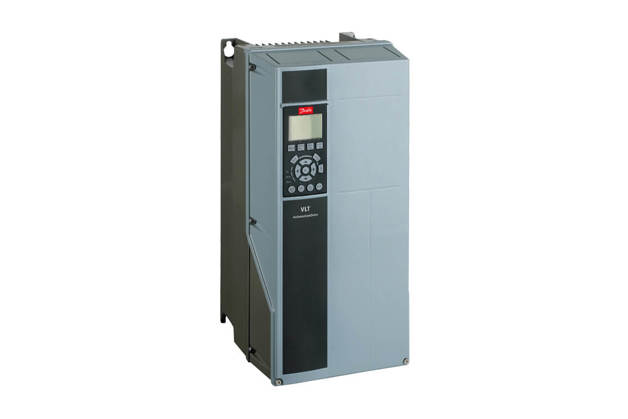
The VLT® AQUA Drive maximizes energy efficiency in water and wastewater applications. Ideal for both new and retrofit projects, it boasts powerful standard features and performance-enhancing options. This drive yields significant cost savings through optimized motor control for pumps and blowers, achieving 10-30% cost reductions in the first year compared to conventional solutions. Its user-friendly setup simplifies installation and minimizes configuration errors, ensuring rapid energy savings and optimal motor control.
Learn more
Danfoss first innovations
CBM has emerged from a history of Danfoss firsts in innovation. Danfoss drives differentiate from others in the market with intelligent functions embedded in the drive, to reduce the external components required.
Explore more opportunities with CBM
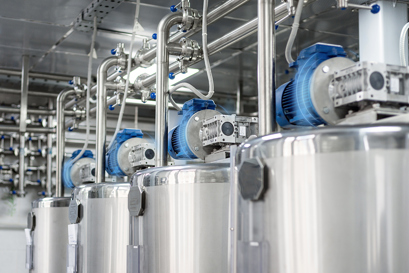
Monitoring motor performance using condition-based monitoring provides a simple and cost-effective way to obtain machine data for smart maintenance decisions.

Predictive maintenance has emerged as a powerful tool to optimize equipment performance, increase uptime, and reduce maintenance costs.

Remote monitoring empowers users to access real-time data, react early to avoid interruptions, optimize performance, and make informed decisions.
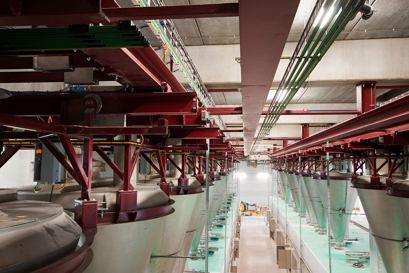
Along with stator winding monitoring and load envelope, the CBM functionality integrated into Danfoss drives includes vibration monitoring.
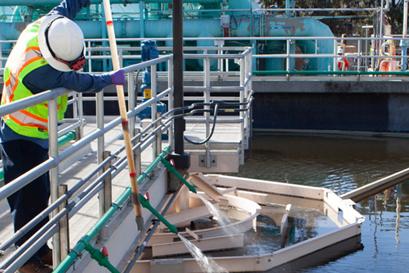
Clogged pumps work less efficiently and use more energy to do their job than clean pumps. If unattended, eventually a clogged pump will grind to a halt, causing unplanned downtime.