
See Danfoss products in action
Take a look inside our industrial products and see what makes them tick. Learn about the different stages of operation, the mechanics at play, and the resulting impact.
This page includes animations of solenoid valves, angle seat valves, and more. Whether you need insights to help you troubleshoot or just want to learn more about the world of industrial automation, you’re in the right spot.
Want to binge-watch the entire collection? Check out our YouTube Playlist.
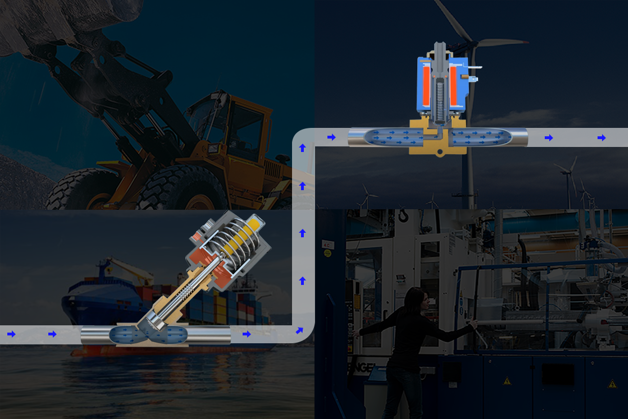
How an EV310 solenoid valve works | Working animation
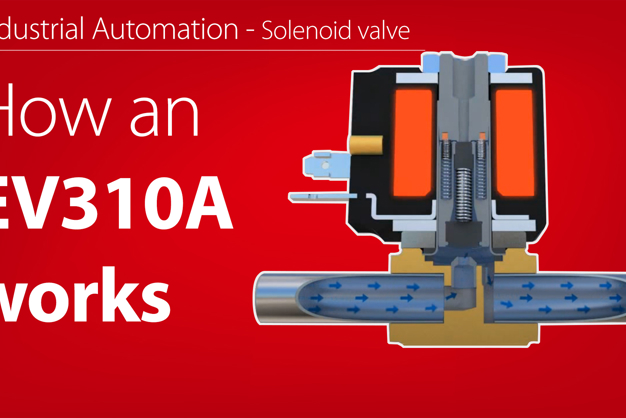
The EV310A range of small, direct-operated 3/2-way solenoid valves is designed for industrial applications, for example as a pilot valve. It works in neutral media such as water, oil and compressed air. This short working animation shows a cutaway view of the solenoid valve in action.
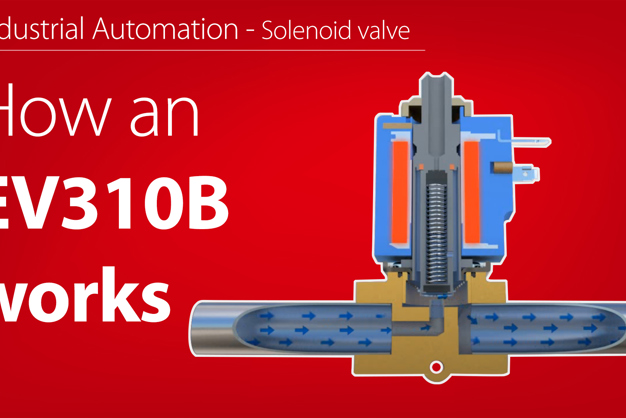
The EV310B is a universal, direct-operated 3/2-way solenoid valve that delivers high performance in tough conditions. This animation shows you inside the valve, so you can see how it works.
How an EV224B NO solenoid valve works | Working animation
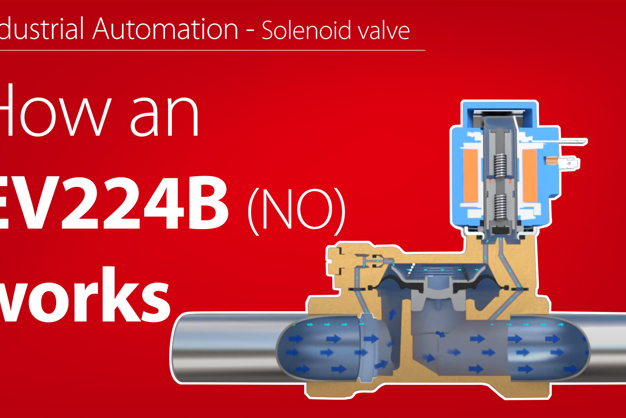
EV224B is an indirect servo-operated 2/2-way solenoid valve, that works with high-pressure compressed air up to 40 bar. This short animation shows how the normally open (NO) version of the solenoid works; a normally closed (NC) version is also available.
How an EV210 solenoid valve works | Working animation
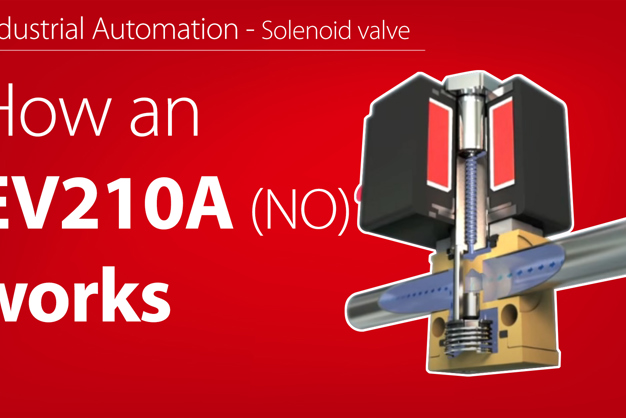
The EV210A NO 1.5–3.5 industrial 2/2-way solenoid valve works in a unique way. This animation shows how the valve seals from the bottom, helping it to handle water, steam, oil and compressed air, as well as aggressive liquids and gases.
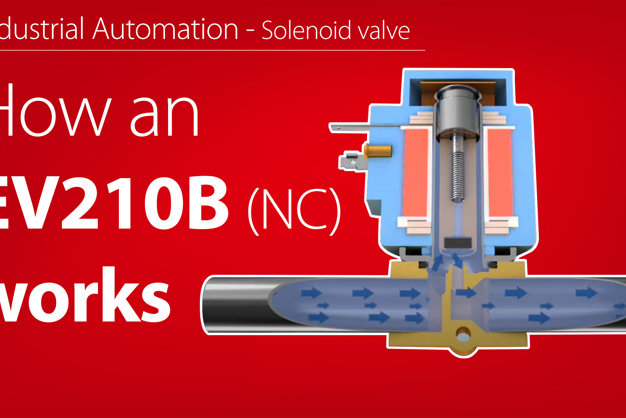
EV210B is a wide program of high-performance, direct-operated 2/2-way solenoid valves for industrial applications and tough working conditions. There are brass and stainless-steel versions—plus the EV201BW which is WRAS-approved for drinking water. This animation shows how the EV210B NC works.
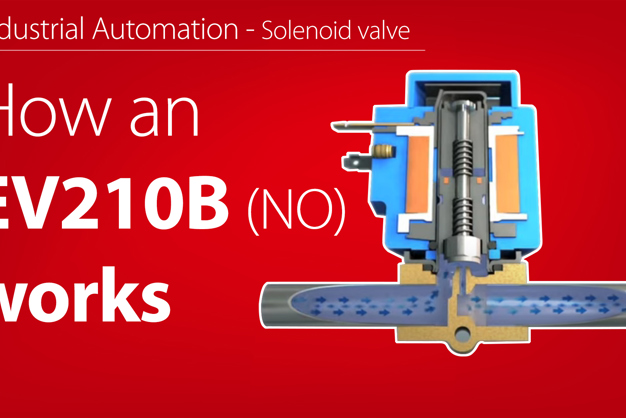
Unlike normally closed solenoid valves, the armature top in the EV210B NO is located below the armature. This animation shows how, when the coil is energized, the armature is pushed down, sealing the valve. The range includes options for aggressive and neutral media, as well as drinking water.
How an EV220 solenoid valve works | Working animation
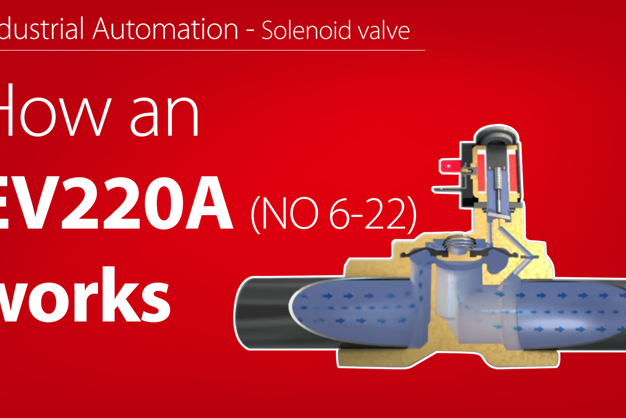
This cutaway animation explains the unique armature and valve plate in the EV220A range of compact, servo-operated solenoid valves. EV220A is a program of compact, 2/2-way valves, designed to handle neutral media in machines and equipment in limited space.
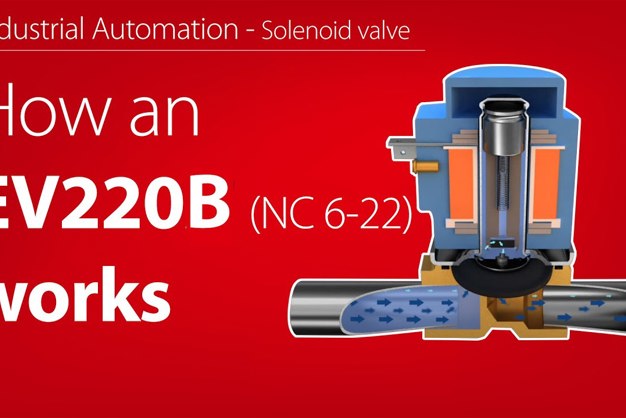
EV220B solenoid valves are specially designed for OEM applications that need a robust, servo-operated solenoid valve for moderate flow rates. They work in neutral media like water, oil, and compressed air. This animation shows how the normally closed (NC) valve works.
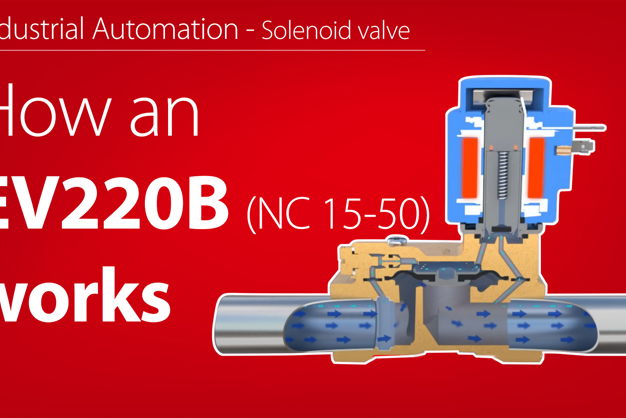
EV220B 15-50 and EV220BW 40–50 are a program of universal, indirect servo-operated 2/2-way solenoid valves, with a built-in pilot filter as standard. This animation shows the internal workings of the EV220B 15–50 NC.
How an EV250B solenoid valve works | Animation
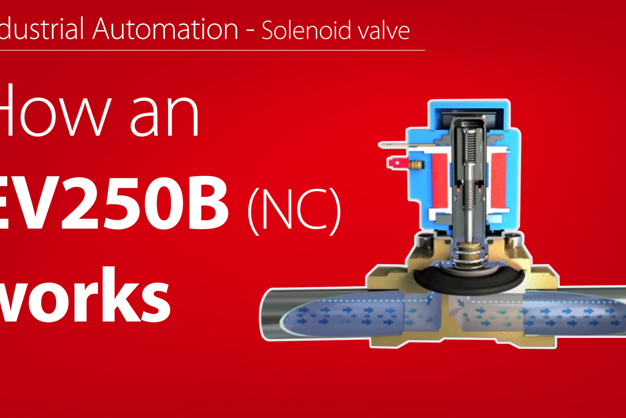
EV250B NC 10–22 is a special program of 2/2-way solenoid valves designed to operate in closed circuits with differential pressure from 0 to 10 bar, and moderate flow rates. This animation shows the unique spring which helps the diaphragm to lift if the pressure is low or fluctuating.
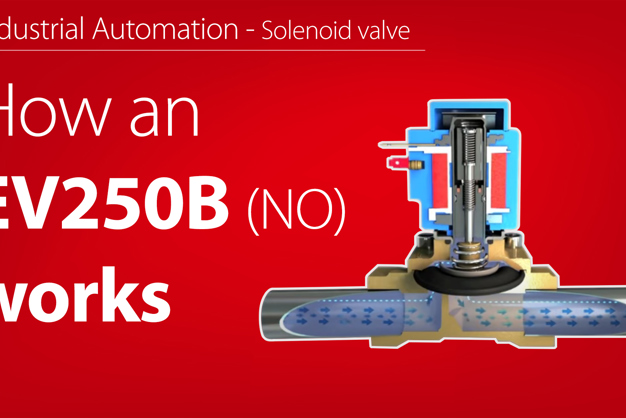
EV250B NO is a program of 2/2-way solenoid valves designed to operate in closed circuits with low differential pressure, and moderate flow rates. If pressure is low when the coil is de-energized, the normally open (NO) valve has a lift assist spring to raise the diaphragm and open the valve.
Inside an EV225B solenoid valve | Working animation
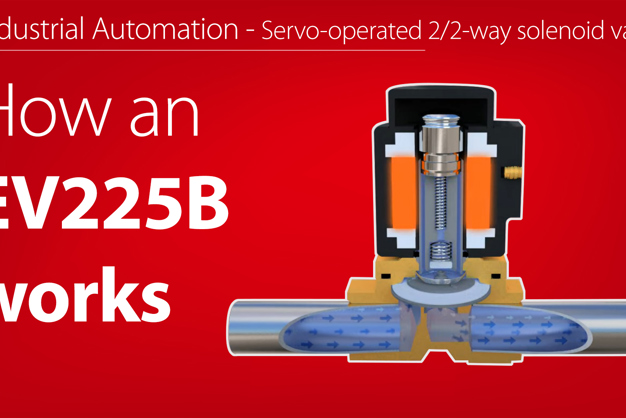
The EV225B servo-operated 2/2-way solenoid valve is a long-life PTFE diaphragm-based design, built to handle aggressive and contaminated steam.
How a thermo-operated water valve works | Working animation
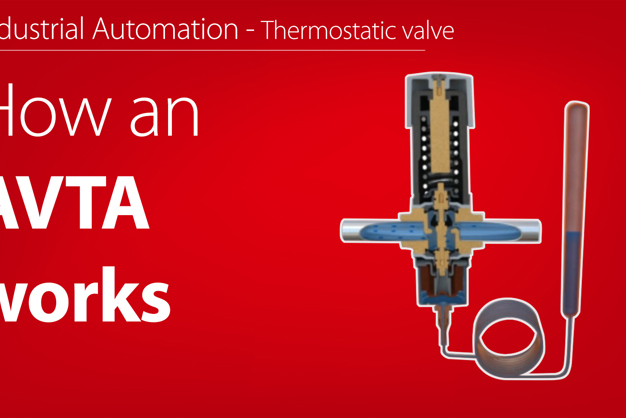
Thermo-operated water valves give proportional regulation of flow quantity, depending on the setting and the sensor temperature—without auxiliary electricity or compressed air. This cutaway animation shows how the Danfoss AVTA works.
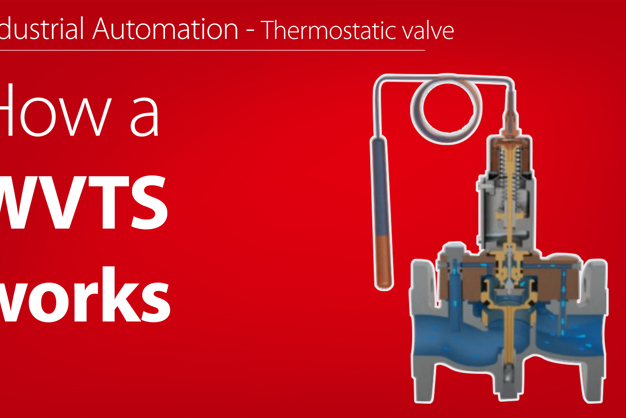
The WVTS is an indirect servo-operated thermostatic valve. It's ideal for controlling temperature in industrial applications, by regulating the flow of cooling water or neutral brine. This animation shows how the valve opens when the temperature rises, without an auxiliary power supply.
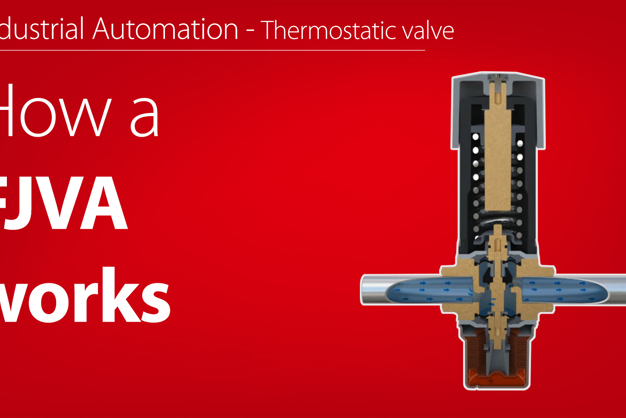
The FJVA is a self-regulating thermostatic water valve designed for flow regulation in heating and cooling systems. This short animation shows how the valve responds to temperature changes without the need for power or compressed air.
How an AV210 angle seat valve works | Working animation
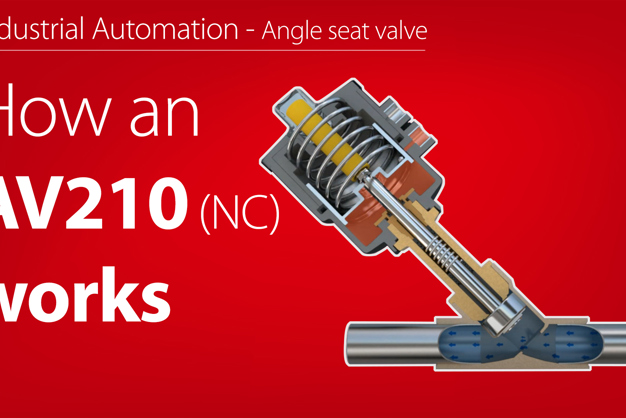
AV210 NC is an externally operated, unpressurized, bidirectional angle seat valve for demanding high temperature and viscous industrial applications. Watch the animation to see how the valve works and processes media-borne dirt particles.
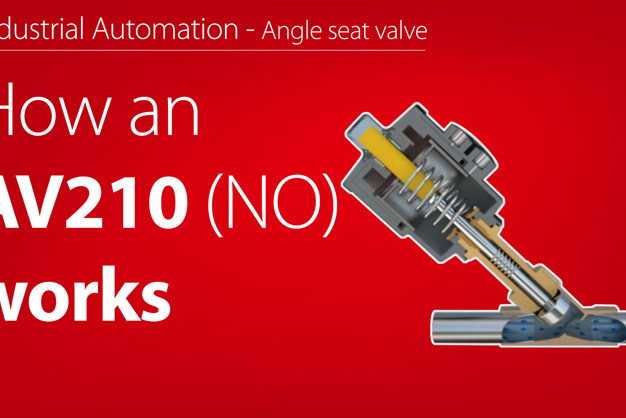
Externally operated and unpressurized, the AV210 NO angle seat valve is designed for demanding high temperature and viscous industrial applications. This animation shows how the valve works and processes media-borne dirt particles.
How to setup a pressure switch and temperature switch | Walkthrough
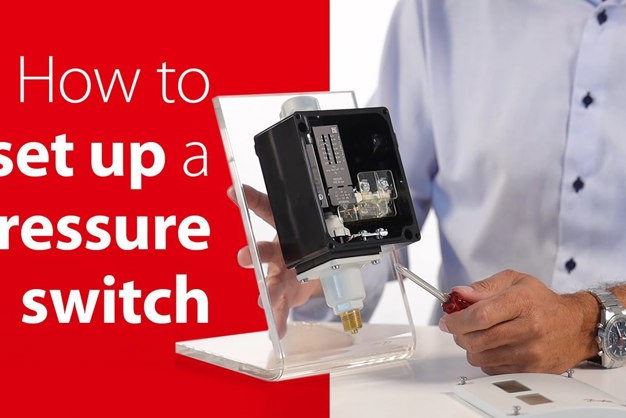
Learn how to set up a Danfoss pressure switch. On most Danfoss pressure switches, the differential is adjustable. As a higher differential results in fewer switching cycles and a longer product life, it is important to set up your pressure switch correctly.
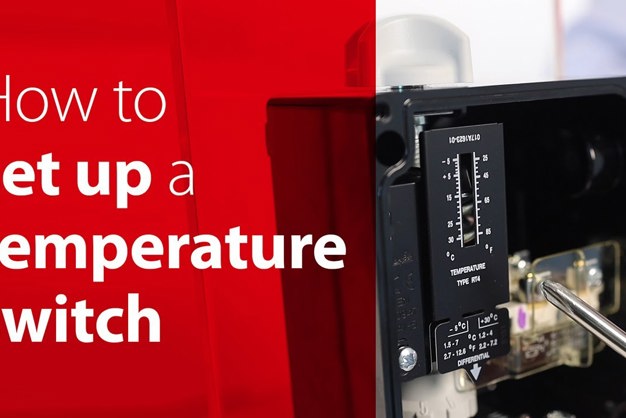
Learn how to set up a Danfoss temperature switch with this quick walkthrough. On most Danfoss temperature switches, the differential is adjustable. Please remember that a higher differential results in fewer switching cycles and longer life.
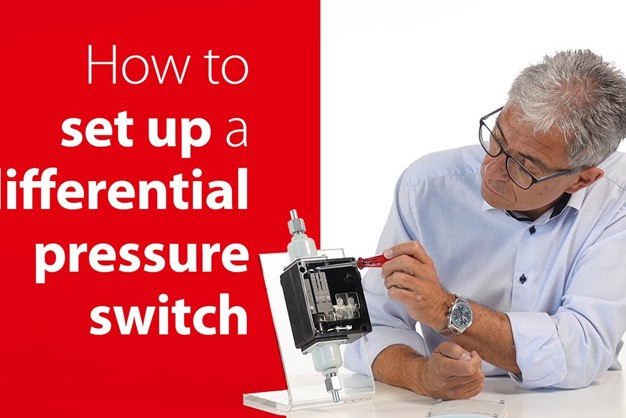
A differential pressure switch compares two pressures and acts on the difference. When the set differential pressure is exceeded, the contact system activates. In this video, we demonstrate how to set up a Danfoss differential pressure switch for falling pressure applications. Check it how how to see how you can set up a differential pressure switch correctly.
How to install a Danfoss temperature sensor and pressure transmitter | Walkthrough
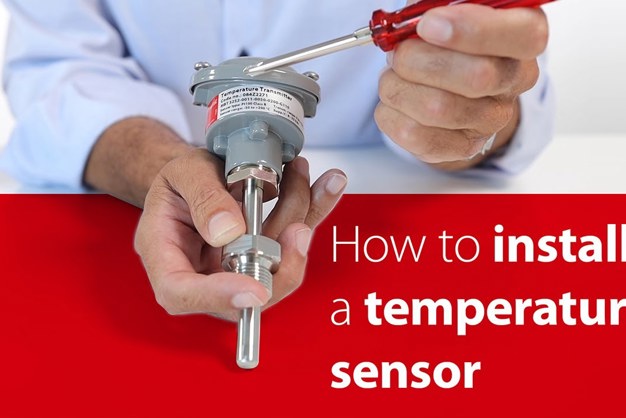
In this video, we'll walk you through how to install a temperature sensor correctly. When it comes to temperature, even the slightest imprecision can have big consequences, so installing your temperature sensor correctly is important.
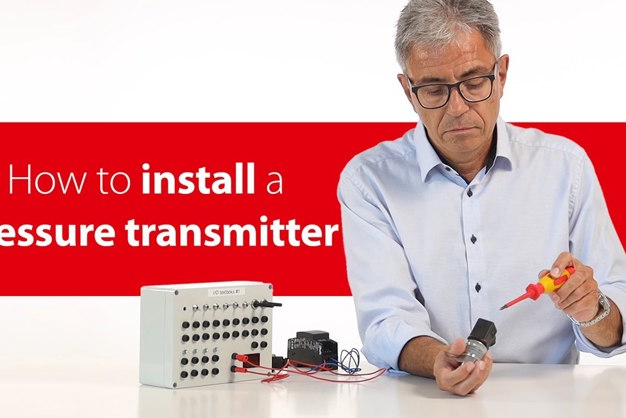
Learn how to install a pressure transmitter. A pressure transmitter measures an incoming pressure and converts it to an analogue signal for system control. The output signal is directly proportional with the applied pressure.
How to fit a spare part kit & clean an EV220B NC solenoid valve | Step-by-step instructions
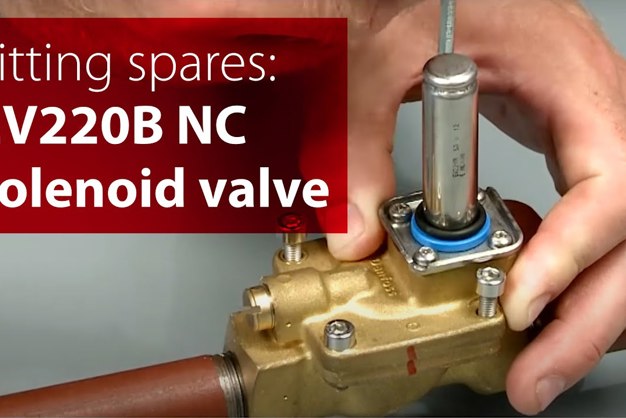
Extend the life of your EV220B NC solenoid valve with a spare part kit. Watch the short video for a step-by-step guide on how to replace each component.
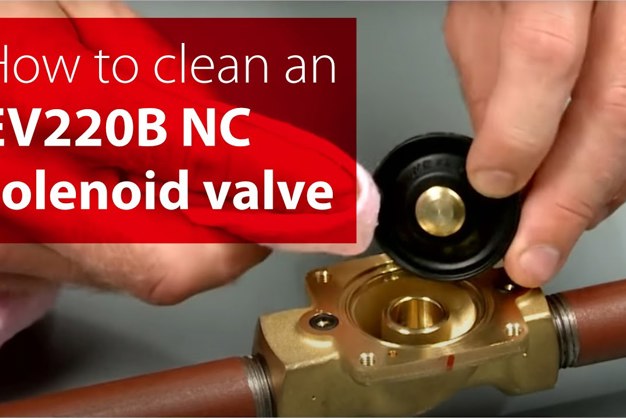
An EV220B NC solenoid valve's operating life can be enhanced with the right maintenance. Watch the short video for a step by step guide on how to disassemble, clean, and reassemble the valve.
How to fit a spare part kit & clean an EV250B NC solenoid valve | Step-by-step instructions
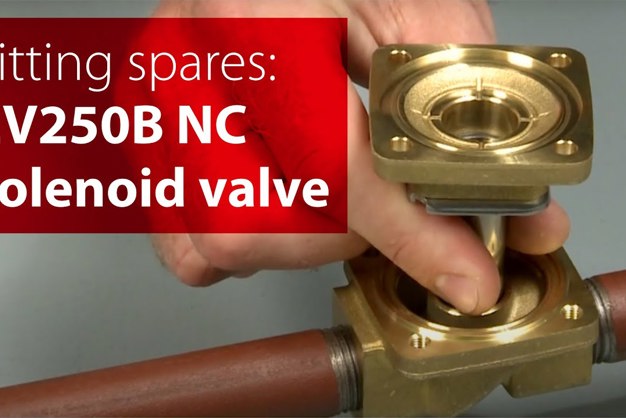
These step-by-step instructions show you how to change the diaphragm, O-ring and armature system on a Danfoss EV250B normally closed (NC) solenoid valve.
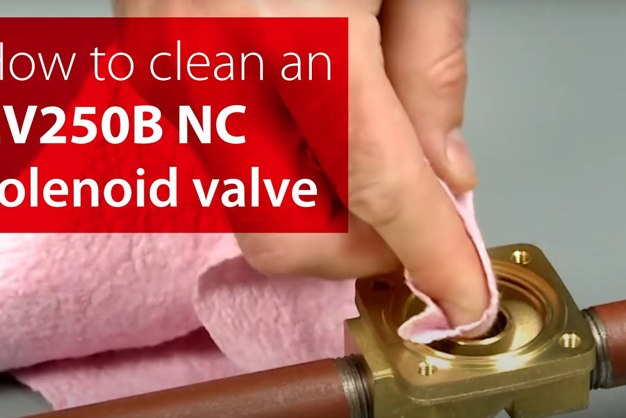
These step-by-step instructions show you how to disassemble, clean, and reassemble a Danfoss EV250B normally closed (NC) solenoid valve. The process is made easier by the click-on mounting system.
How to clean inside a Danfoss EV220B NO 1/2 & 3/4 solenoid valve | Step-by-step instructions
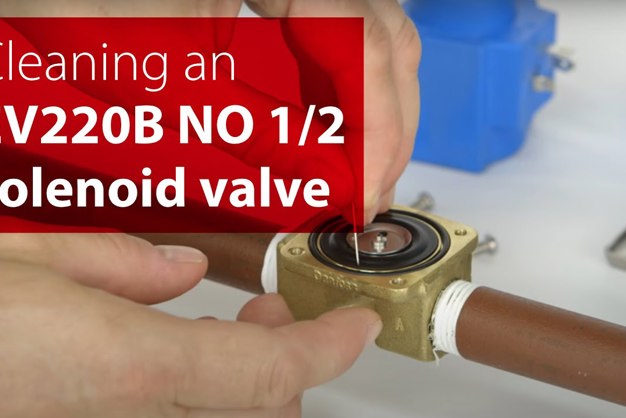
This video shows you how to disassemble, clean, and reassemble a Danfoss EV220B NO 1/2 type direct servo-operated solenoid valve. You’ll see how to clean the armature seal, O-ring, diaphragm, orifice and housing.
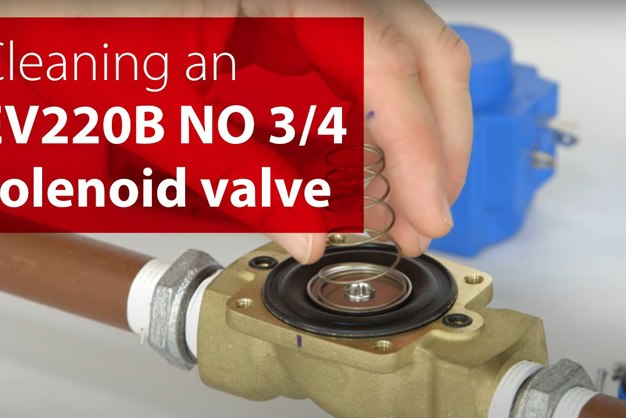
These step-by-step instructions, will show you how to disassemble, clean, and reassemble a Danfoss EV220B NO 3/4 type direct servo-operated solenoid valve. You’ll need a HEX 15 screwdriver, a clean cloth, a permanent magnet, a needle, a light, and a pen.
Troubleshooting EV-type valves
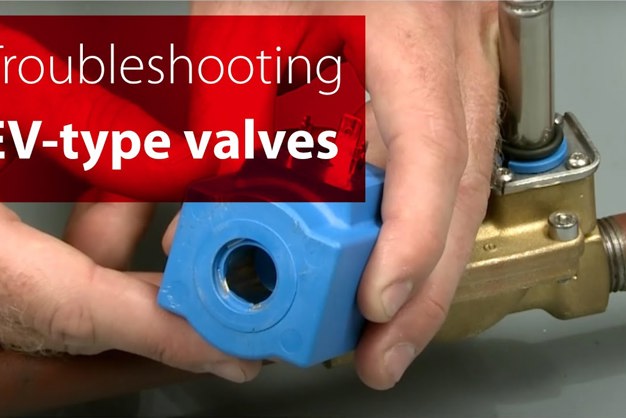
This troubleshooting video shares some simple tests and inspections you can perform to resolve basic issues with Danfoss solenoid valve coils, such as loose wiring and other defects. Remember: never remove a coil or disassemble a plug with voltage applied.
Pressure and temperature control | Learning module
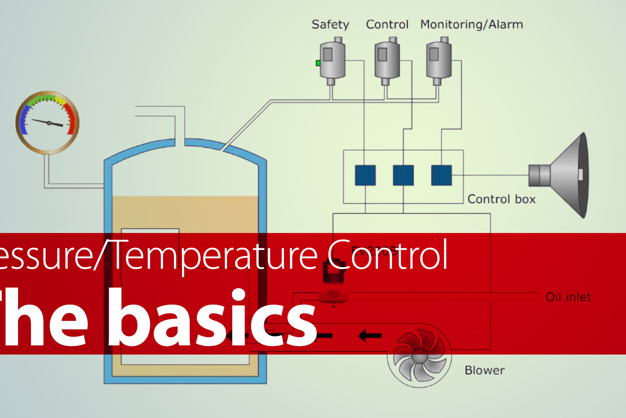
This short learning module describes the basics of a pressure or temperature control—or switch—and how its three main functions work: control, monitoring/alarm, and safety.
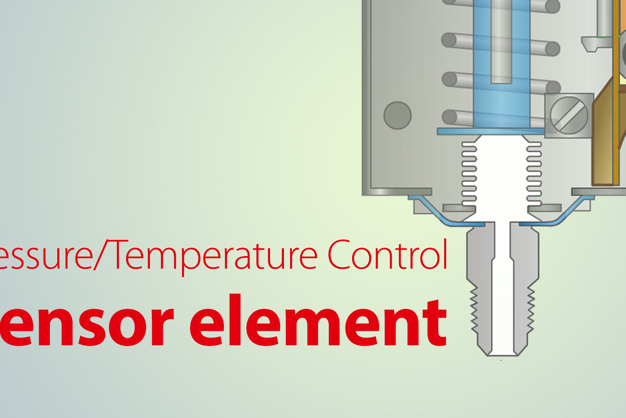
This short learning module will familiarize you with the different pressure and temperature control sensing technologies used by Danfoss: bellows, diaphragm, and piston. It also includes information on control ranges, special features, and important things to consider when using the different charge types.
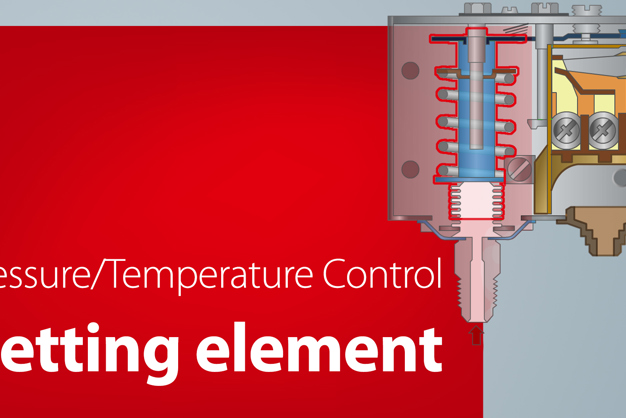
Learn the basics of Danfoss pressure and temperature control setting elements in this short learning module. The video covers control, monitoring, alarms, differential switches, and neutral zone options—including an air pressure monitoring animation.
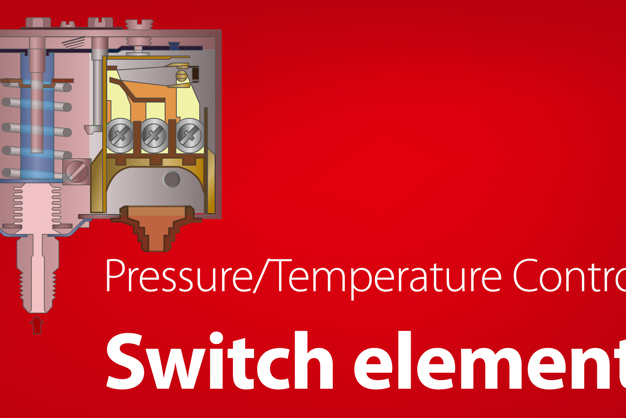
Discover more about the switch element of pressure and temperature control in this short learning module—including the contact types available, the principles of contact force and material, the load categories, EMC, and reset configurations.