

Differential pressure and flow controllers in district heating or cooling systems (variable flow)
Balance your network, save energy and improve end user comfort by hydronic balancing and control of district energy networks.
Tools and apps

Heat Selector
Danfoss Heat Selector is the best-in-class online selection tool that optimizes planning process for heating application experts.
Open Heat Selector
Application guide

District heating application guide
We share experience, application expertise and make recommendations on optimum performing DH applications and key applied control components
Open DH application guide
FAQ
Case studies
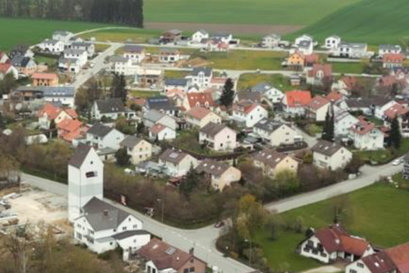
In the Wittelsbacher Land near Augsburg the local network in Eurasburg supplies heat to 80 buildings using a wood chip heating system. Danfoss’ substations ensure efficient heating in all building types, and its modern SCADA solution enables remote system monitoring and management.
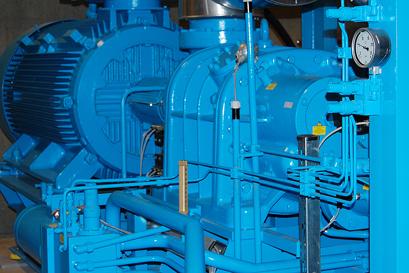
Energy efficiency was a major consideration in the design of Copenhagen’s district cooling project, where VLT® drives contribute to reducing CO2 emissions by more than 3000 t annually.
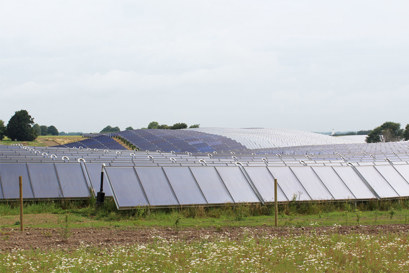
The world’s largest solar heating plant in Silkeborg, Denmark harnesses energy to heat the homes and workplaces of 40,000 citizens. It supplies 18-20% of the annual heat consumption in the city of Silkeborg, Denmark, which has an ambitious target of CO2 neutrality in heat production by the year 2030.