
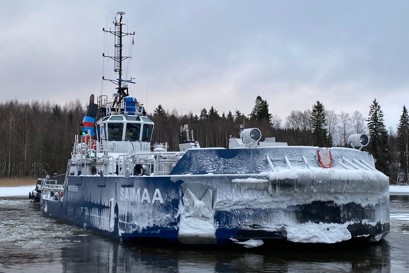
The Winter Navigation Motorway of the Sea II (WINMOS II) project, co-funded by the EU Connecting Europe Facility Programme, was a €7.6 million scheme aimed at developing and enhancing the maritime winter navigation system in the EU’s northernmost waters, such as the Baltic Sea.
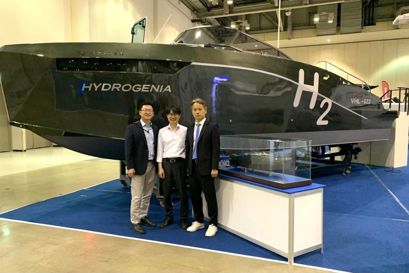
Editron ha dotato Hydrogenia del suo sistema di trasmissione elettrica che comprende una macchina EMI, due inverter elettrici e due convertitori DC-DC. I moduli inverter multifunzione possono essere facilmente integrati con altre fonti di energia, come le celle a combustibile a idrogeno, senza costi aggiuntivi per la ricerca e lo sviluppo. La tecnologia dell'inverter standardizzata garantisce anche un rapido tempo di realizzazione dal test alla commercializzazione.
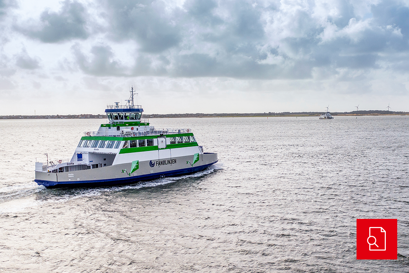
Molslinjen – Denmark's largest domestic ferry company – has set its first electric ferry in motion. The E-ferry Grotte will be breaking waves at the UNESCO World Heritage waters between the coastal town of Esbjerg and the island Fanø – and Danfoss is on board.
Maritime transport currently emits over 900 million tons of CO2 annually and is responsible for approximately 2.5% of global greenhouse gas emissions.
In recent years, decarbonizing the marine industry has become a top priority for the International Maritime Organization. In 2018, its members set a target of reducing international shipping’s total annual greenhouse gas emissions by at least 50% by 2050 compared to 2008 levels.
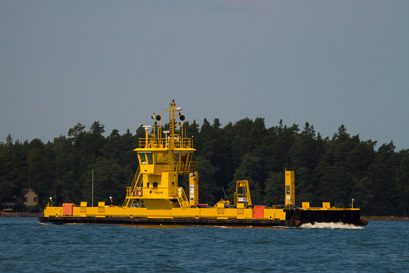
Operated by Finferries, a Finnish state-owned ferry service provider, Prostvik 1 is one of two ferries that serves the route between Nauvo and Korppoo, making it vitally important to the local population. Built in 1983, the 50m vessel can carry approximately 140 passengers and 30 vehicles each journey. It operates for around 8000 hours per year, making it one of most popular and busy ferries in Finland.
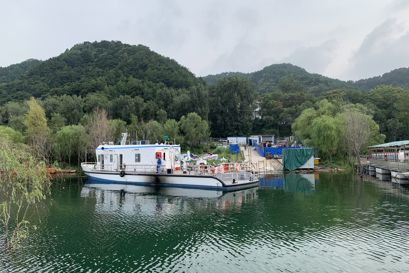
The Miyun Reservoir is the largest artificial lake in China and Beijing’s primary source of clean water. Located eight miles northeast of Beijing, the approximately 180 square kilometers reservoir provides clean water to the 21.5 million habitants of the city. This makes it crucial that boats operating there emit the least amounts of emissions and pollution as possible.
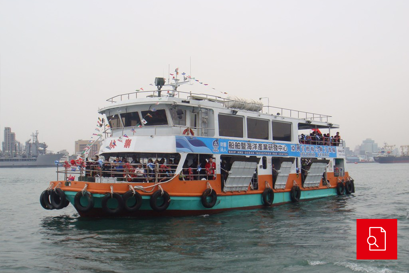
The Taiwanese port city of Kaohsiung relies on its marine network to transport machined goods across its bustling harbor. It is the thirteenth largest in the world. Kaohsiung is typical of many harbor cities in Asia, where diesel ferries are a necessary part of life.
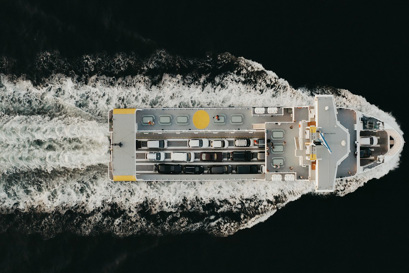
Gothenburg is one of the many Swedish harbor cities that depends on diesel ferries to transport thousands of passengers every day. The small vessels are an essential part of the city’s transport infrastructure. However, they come at an environmental cost because of the emissions released by the diesel.