

Danfoss Impact No. 0
Learn about tangible examples demonstrating the value of early action on energy efficiency.
Download the Impact paper now
ProjectZero
Sector integration

In supermarkets, excess heat, captured by a heat recovery unit installed on refrigeration systems, can be reused to heat up the store and produce domestic hot water or exported to neighboring homes and industries through a district energy system.
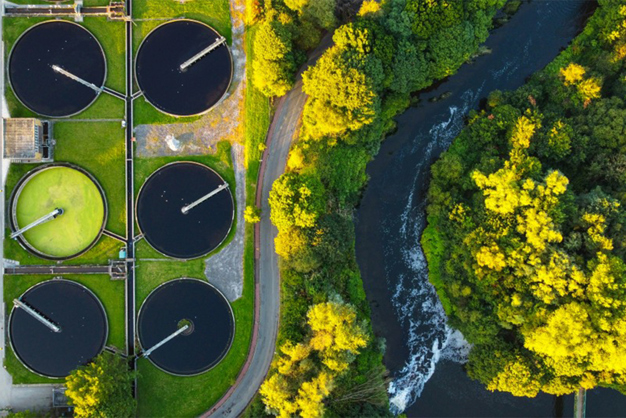
Water is key to climate action. Marselisborg is harvesting the green potential of wastewater management.
Transport

Combining electrification and energy efficiency in an excavator, just a quarter of the energy input is needed to shift the same amount of earth. Improvements in energy efficiency will pave the way for a full electrification of the construction industry.
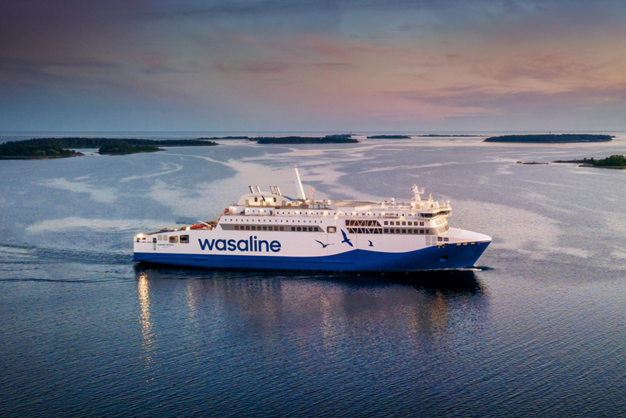
The islands of Ærø and Als in Southern Denmark are connected by Ellen, the longest-ranging fully electric ferry in the world. This medium-sized ferry does not emit carbon and operates at a low cost.
Industry
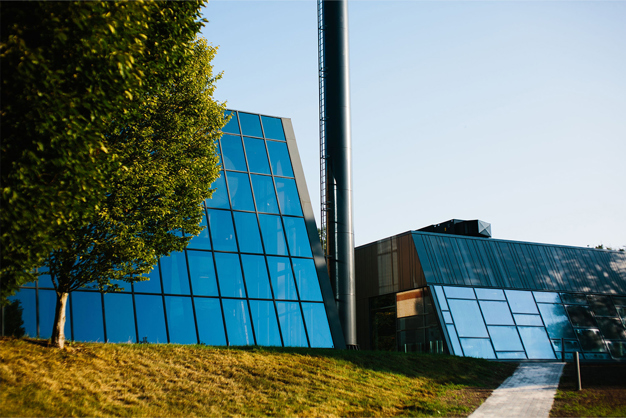
As part of an ambitious climate strategy, Danfoss has a stated goal of making its global operations carbon neutral by 2030, which includes 42,000 employees working in 95 factories in more than 20 countries.

The Vesterled brick plant, located in Denmark, has been working strategically to improve sustainability in its entire value chain from product design to sourcing and production, and is on track to become carbon neutral in 2050.
Buildings

Zero-carbon-ready buildings are highly energy efficient and supplied with energy directly from renewable sources or from energy sources with the potential to be fully decarbonized, such as district heating.
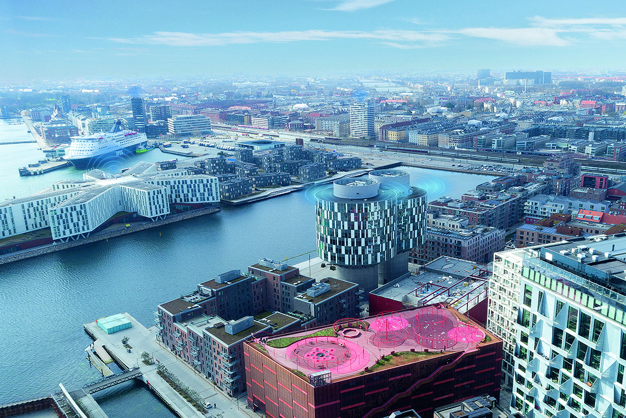
The project EnergyLab Nordhavn is a living laboratory that shows how electricity and heating, energy-efficient buildings, and electric transport can be integrated into an intelligent, flexible, and optimized energy system, supplied by a large share of renewable energy as well as reused excess energy.
Danfoss Impact Series
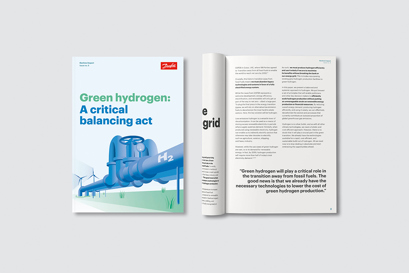
Green hydrogen will play a critical role in the transition away from fossil fuels and in decarbonizing hard-to-abate sectors, such as long-distance shipping and international aviation.
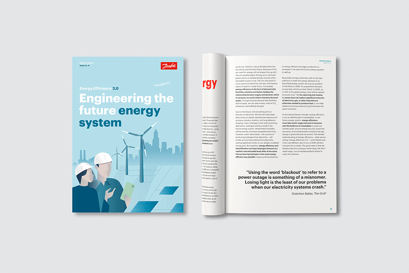
Energy efficiency, electrification, demand-side flexibility, conversion, storage, and sector integration are integral for a future energy system enabling an energy grid powered by renewables.
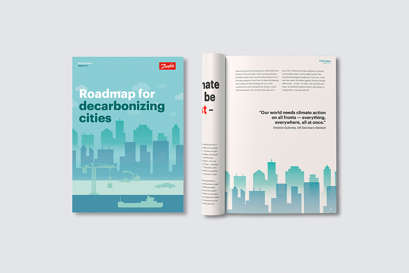
Our roadmap for decarbonizing cities outlines the technologies available to meet global climate goals and accelerate the green transition.