
Green Building
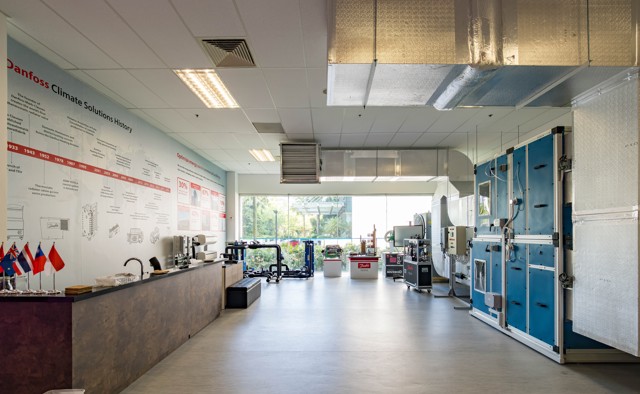
The fight against climate change will either be won - or lost - in cities. Danfoss achieved carbon neutrality at its 250,000 sqm campus in Nordborg in 2022 with the simple recipe of Reduce, Reuse, and Re-source. That means energy efficiency first, then recovering waste energy, then using renewables to power operations. The Sustainability Technology Center in Singapore will help to localize and implement these solutions for tropical cities, particularly in areas of district cooling, HVAC, and data centers.
Technologies:
- Hydronic Balancing
- Integrated AHU
- EC+
- Data Center
Products:
- ABQM
- NovoCon Digital Actuator
- ETS
- Oil-Free Compressor
Food & Beverage
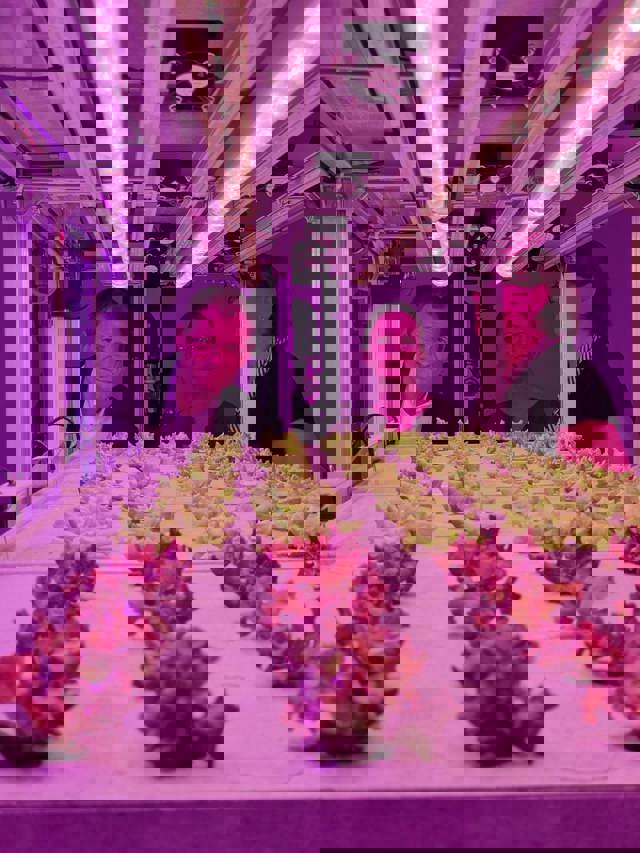
Food production, transportation and cold storage technologies can help to alleviate food and water supply shortages. Our CO2 Cold Room and Agritech Sustainability Technology Center were developed together with OEMs and system integrators to help train the industry and develop customized solutions. By focusing on energy efficiency, and transitioning to sustainable, low GWP refrigerants across food production and cold chain technologies, we can accelerate the industry’s decarbonization journey.
Technologies:
- CO2 Coldroom
- Low GWP Refrigerant
- Agritech Heat Load Calculation Modelling
- Climate Control optimization
- Irrigation Optimization
Products:
- CO2 Condensing Unit
- Compressor
- Microchannel Heat Exchanger
- Sensors
- Filter Driers
- Expansion Valves
- Solenoid Valves
- Floor Heater
- Electronic Controllers
- ABQM
- Alsmart Controller
- Line Components
Land & Marine Electrification
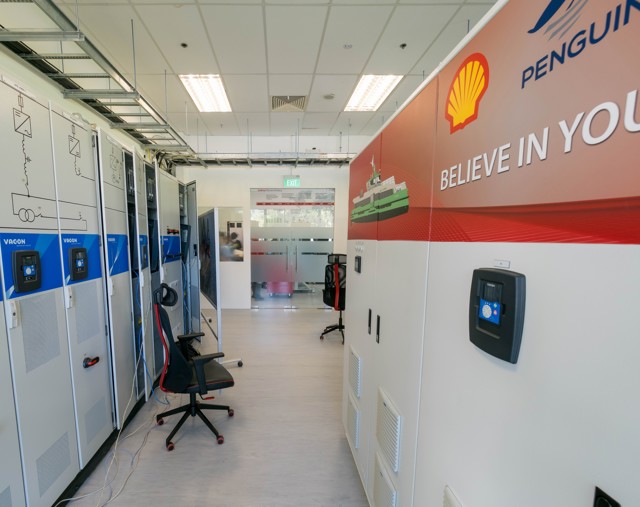
Electrification, recognized as a global megatrend, has gained momentum in the recent years. The Sustainability Technology Center plays a pivotal role in accelerating the transition for marine and land electrification by bringing readily available solutions to the market faster and with lower risk. It will also facilitate development of new capabilities with system integrators and technology partners for solutions like grid converters, energy storage and charging solutions. We also developed a microgrid in our center to optimize the energy consumption.
Technologies:
- Energy Storage System
- Shaft Generator
- Power Conversion
Products:
- VACON
- VLT
- iC7
Industrial
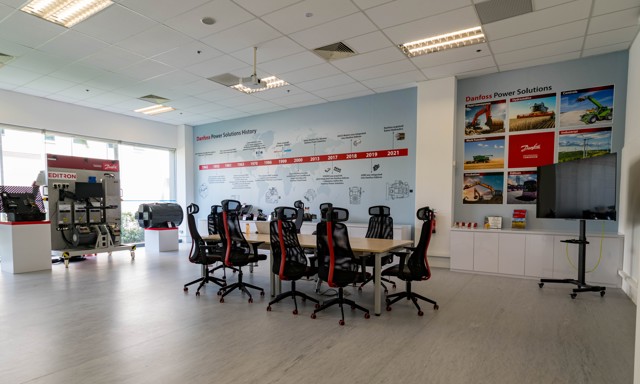
How do you decarbonize industrial operations like mining, palm oil and construction sites? One answer is to collaborate with end users and technology experts to co-develop solutions. Our Sustainability Technology Center facilitates this collaboration through training and application development because we believe that partnerships leverage collective strengths for greater capabilities.
Technologies:
- Inverters
- Motors
- Power User Software
- Plus+1
- Industrial Automation with i-IoT
- SCADA & Digitalization
Products:
- Editron Test Bench
- Battery
- DPS2 Equipment
- Industrial PC; PLC; HMI & Communication
- Intelligent HPU with build-in Sensors & Electro-hydraulics Cylinders
- Advanced Control Proportional Valve
- HMI Visual Display

Engineering the future energy system
Reflecting Danfoss’ core values, we urge a reevaluation of energy efficiency. Technological advances in energy systems, such as electric compressors and digital controls, are pivotal in driving this change. These advancements act as catalysts for a future powered by electrification, demand flexibility, and sector integration, where even hydrogen can be responsibly utilized.
The adoption of energy-efficient solutions leads to significant energy savings, optimizing operational strategies and reducing system losses. This not only benefits cost management but also supports environmental sustainability.
Read more

Roadmap for decarbonizing cities
Reducing energy consumption in cities is essential for sustainable urban development.
The battle against climate change will be won – or lost – in cities. Energy-efficient technologies, such as demand-controlled kitchen ventilation and split air conditioning systems, can significantly reduce energy consumption. A ‘Roadmap for decarbonizing cities’ already exists that can bridge 50% of the gap in the urban GHG emissions reductions needed for a 1.5°C pathway.
Energy savings play a critical role in achieving urban sustainability by optimizing operational strategies and reducing system losses.
Read more

Excess heat
Excess heat can accelerate decarbonization of the industrial sector by integrating it into the heating system, allowing for the reuse of excess heat in residential and commercial settings.
Managing heat in industrial processes is crucial for optimizing energy use and reducing waste.
The industrial sector can shift the needle on global energy efficiency by reusing excess heat. Imagine using heat that would normally just disappear! This “recycled heat” could give our economy a shot in the arm and lower energy prices for consumers. Plus, it can replace energy sources like electricity and gas used for heating, making our power grids more stable as we move towards greener energy.
Read more

The neglected demand side of the green equation
Just think about it: how often do you use lights, heat, or transportation in a day? That's all thanks to energy! From homes to cars, even the info on your screen needs energy to reach you. But all this energy use adds up, impacting our planet.
Therefore, the need for energy efficiency solutions becomes ever evident to the climate changes that we are facing and even the growing demand.
Read now